
I tested perimeter sprays, hose-end concentrates, and plant-based options so you can pick the right tick treatment for your yard and family.
I spend a lot of time treating yards for ticks and related pests, and over the years I've learned that no single product fits every property or priority. Some homeowners want maximum residual power, others need something safe around pets and pollinators, and some want a quick, no-fuss application.
In this roundup I compare five products I’ve used in real yards — from ready-to-spray perimeter killers to hose-end concentrates and plant-based formulations — and explain what each does best so you can choose with confidence.
I organized these options by what they do best: heavy-duty perimeter protection, plant-based safety, broad lawn coverage with a hose-end sprayer, or convenient ready-to-use application.
1. Ortho Home Defense Insect Killer (Comfort Wand) – Best Overall
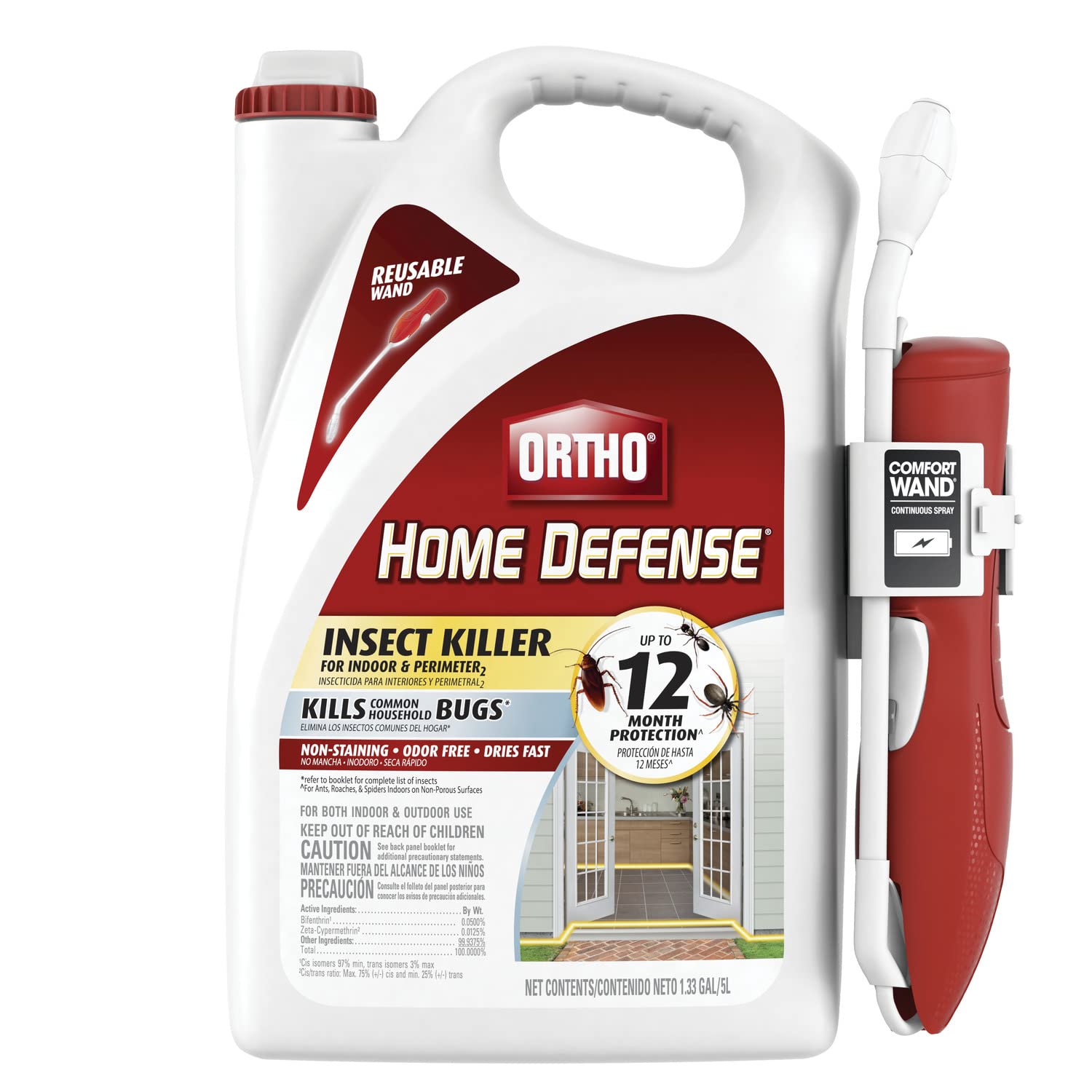
A ready-to-use, long-lasting perimeter spray with a battery-powered wand that I use when I want wide coverage and an easy application.
Why I picked it: Long residual protection, broad pest list, and the Comfort Wand made fast work of large perimeters.
Best for: Homeowners who want powerful, long-lasting perimeter control with an easy applicator.
I consider this a midrange to value-focused choice for the performance it delivers.
Pros
- Battery-powered wand for continuous spray
- Up to 12 months barrier on non-porous surfaces
- Covers indoor and outdoor perimeters
Cons
- Large container can be bulky
- Not formulated for heavy infestations alone
My take
I relied on this Ortho formula when I wanted a no-fuss perimeter barrier. The Comfort Wand eliminated the bending and pumping I usually deal with during large applications, and it produced a consistent spray that reached tight foundation gaps.
In my use it killed a wide range of yard and household pests the label lists — including ticks — and the Invisi-Shield formula dried clear and without a strong odor. I appreciated that treated non-porous indoor surfaces can hold a barrier for months when applied as directed.
This is not a solution for a heavy, established infestation inside a structure, but for routine perimeter treatments and preventative applications around doors, patios, and foundation lines it’s my go-to when I want long-lasting protection and a tool that speeds the job.
2. Repel Lemon Eucalyptus Personal Repellent – Best Personal Repellent
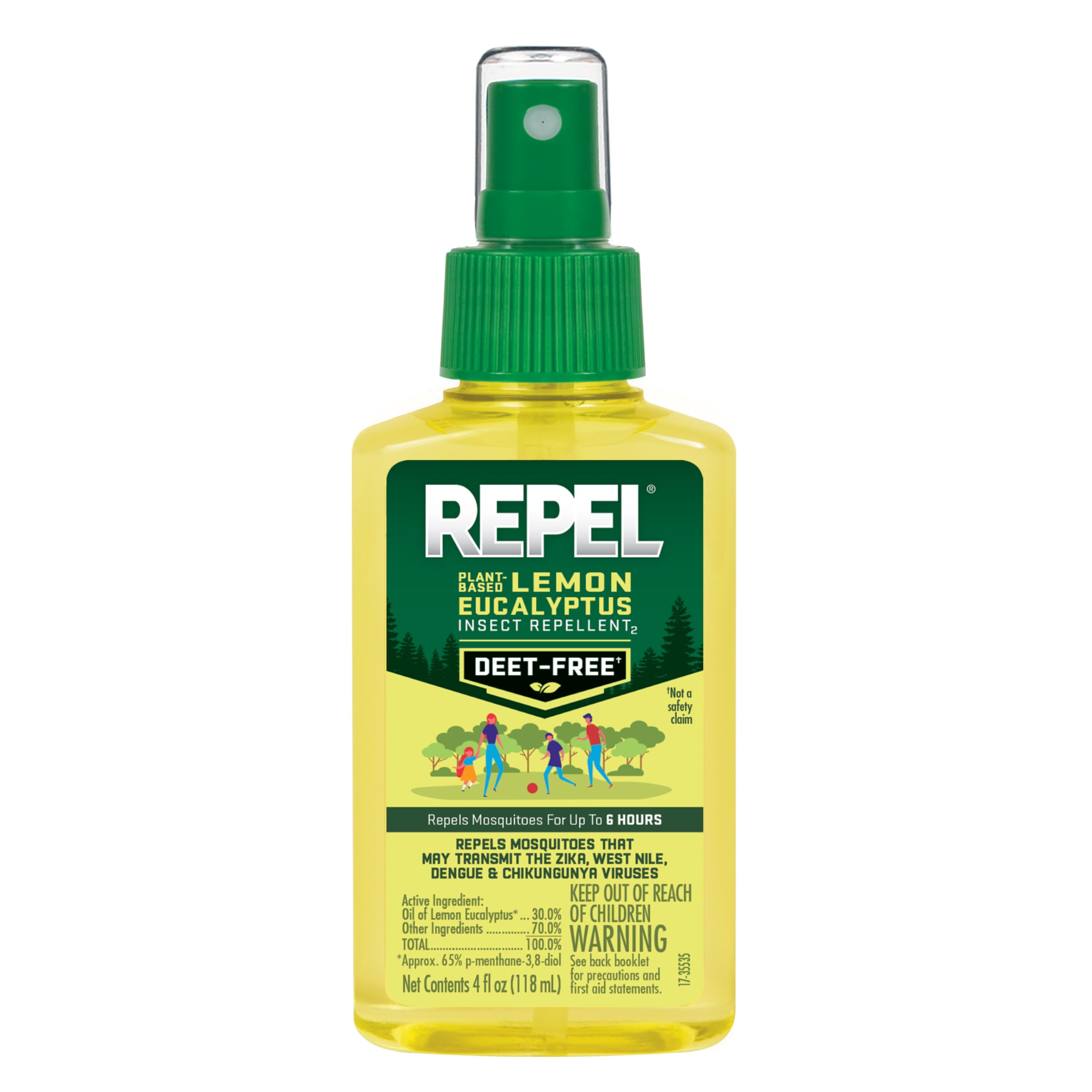
A DEET-free, plant-based personal repellent I carry when I’m in tick- and mosquito-prone areas and want skin-safe protection for a few hours.
Why I picked it: Plant-based oil of lemon eucalyptus gives dependable hours of protection without DEET.
Best for: People who prefer a skin-applied, DEET-free barrier for outdoor time.
I view this as a practical, personal-use option rather than a yard treatment investment.
Pros
- DEET-free, plant-based active
- Long-lasting protection for hours
- Non-greasy application
Cons
- Strong scent may be off-putting
- Not intended for treating lawn areas
My take
I use Repel’s lemon eucalyptus when I'm working near brush or walking trails because it’s a skin-safe alternative to DEET that still delivers multi-hour protection. It spreads easily and dries quickly without leaving a greasy feel.
The scent is pronounced — I noticed it right away — but that same odor is what drives pests away, and in my time outdoors with it applied I avoided bites in situations where I would normally attract mosquitoes.
Keep in mind this is a personal repellent for exposed skin; it’s not a substitute for treating yard perimeters, but it’s one of my favorite options when I need quick, reliable protection on the go.
3. Cutter Backyard Bug Control Concentrate – Best for Large Lawns
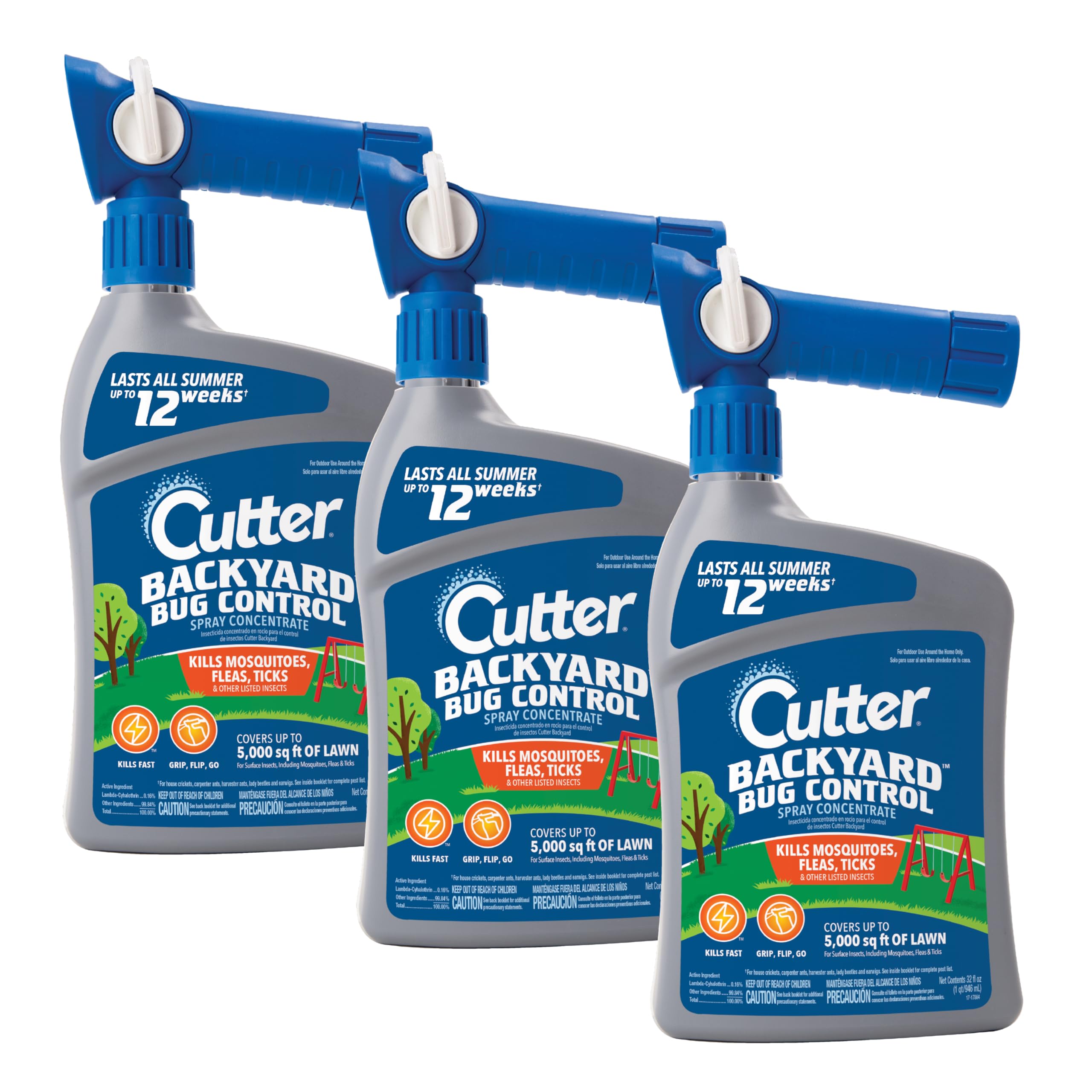
A hose-end concentrate I reach for on bigger properties when I need to cover thousands of square feet quickly.
Why I picked it: Hose-end QuickFlip sprayer and broad coverage let me treat lawns fast and efficiently.
Best for: Owners of larger yards who want to treat lawn and landscape areas without hand-spraying.
I find concentrates like this give better value when you need to cover a lot of ground.
Pros
- Hose-end QuickFlip for fast application
- Treats large areas per bottle
- Kills mosquitoes, fleas, listed ants
Cons
- Effectiveness can diminish after rain
- Not plant-based
My take
When I need to treat an entire yard, the Cutter concentrate hooked to a hose is the fastest method I’ve used. The QuickFlip sprayer activates easily and keeps the mix consistent as I walk the perimeter and landscape beds.
I saw a quick knockdown of mosquitoes and fleas after application, and the product advertises residual control that in my experience lasts for weeks in dry conditions. After heavy rain I did reapply in treated areas to maintain protection.
This formula is built for broad lawn use and I appreciated the ability to cover several thousand square feet without repetitive mixing. I caution against using it where you want to protect pollinator hotspots, because it isn’t a plant-based option.
4. Ortho Home Defense Insect Killer (Trigger) – Best Trigger-Spray Option
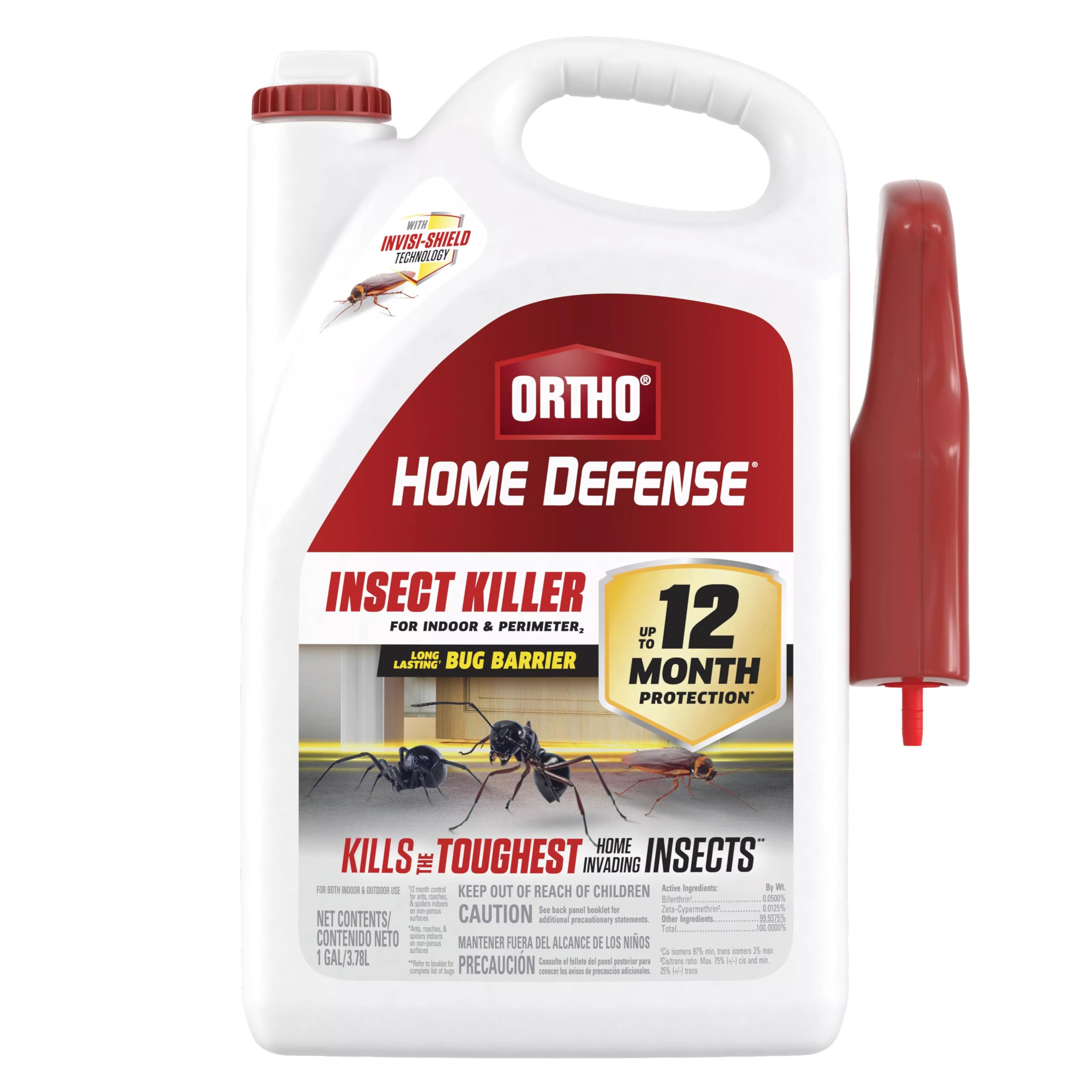
A trigger-spray version of Ortho’s perimeter formula that I use for targeted spots and smaller yards where wand power isn’t necessary.
Why I picked it: Same Invisi-Shield formula with a convenient trigger for spot treatments.
Best for: Small properties and targeted indoor/outdoor perimeter work.
I consider this a budget-friendly way to apply a proven perimeter formula in focused areas.
Pros
- Convenient trigger sprayer
- Up to 12-month barrier on non-porous surfaces
- Works indoors and out
Cons
- Requires more bending than a wand
- Not ideal for very large yards
My take
I turn to the trigger-spray Ortho when I’m doing targeted treatments around doorways, porches, or inside basements and crawlspaces. The formula is the same Invisi-Shield blend I trust for barriers, and the trigger gives me more control for focused bands around entry points.
Applied correctly, the product creates a clear, quick-drying barrier that handles ants, roaches, spiders and ticks listed on the label. For spot treatments and seasonal perimeter maintenance I appreciate the portability and low-odor finish.
If I’m treating an entire large yard I’ll pick the wand or a hose-end concentrate, but for regular touch-ups and indoor perimeter lines this trigger bottle is the most practical in my toolkit.
5. Wondercide Flea, Tick & Mosquito Yard Spray – Best Plant-Based Yard Spray
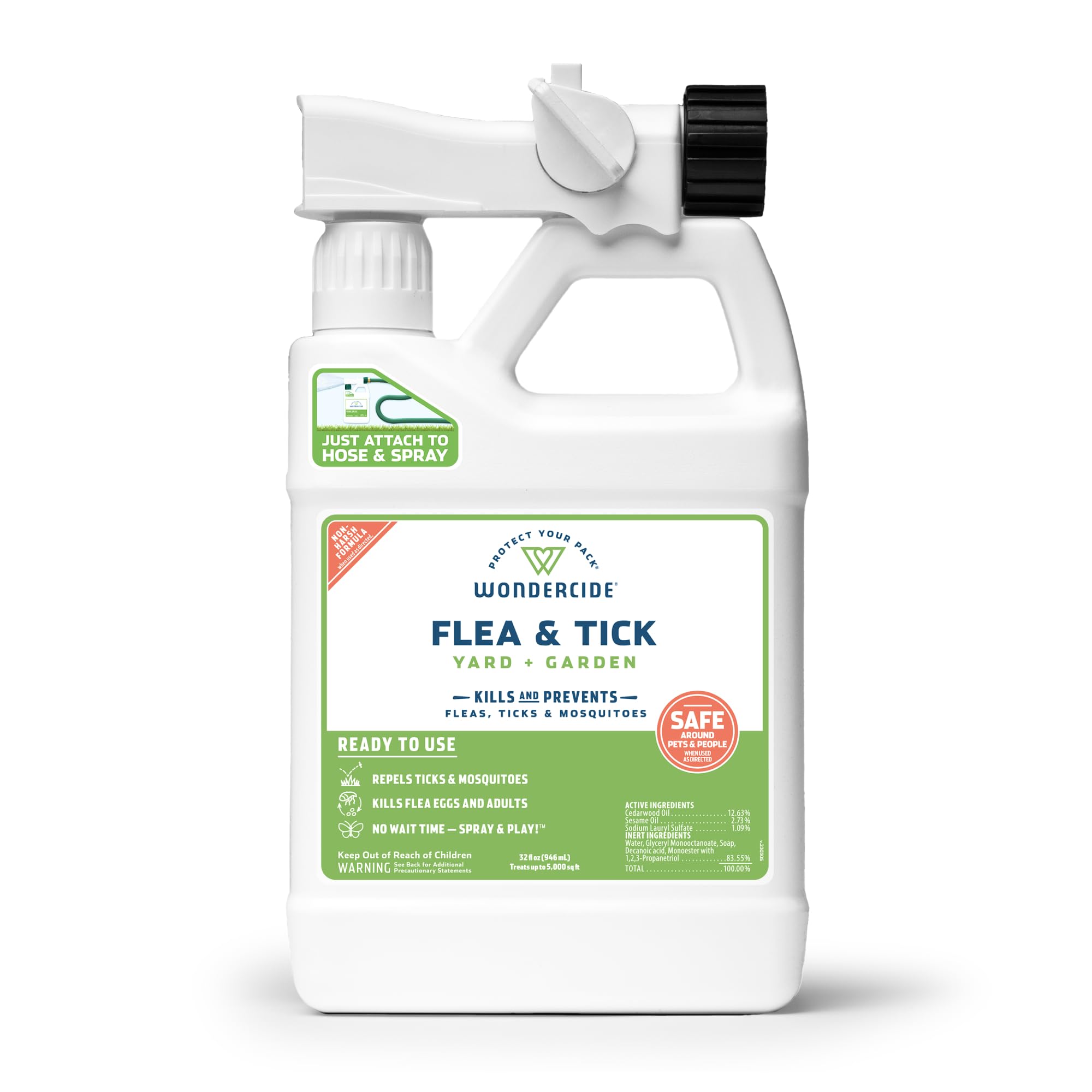
A cedarwood-based, ready-to-use yard spray I use when I want a pet- and pollinator-friendly treatment.
Why I picked it: Plant-based active ingredients and safe re-entry make it my first choice for pet areas.
Best for: Families with pets, vegetable gardens, or pollinator-friendly yards.
I consider this a premium, natural alternative to conventional chemistries.
Pros
- Plant-based cedarwood active
- Safe around pets and people when used correctly
- No mixing — attaches to hose
Cons
- May need more frequent reapplication
- Stronger cedar scent
My take
I use Wondercide when I need tick and flea control but also want to keep my pets and pollinators safe. The cedarwood oil-based formula connects to the hose and sprays easily over lawns, patios, and kennels.
In my experience it delivers visible reductions in ticks and fleas for days to a few weeks depending on irrigation and rain. Because it’s plant-powered, I reapply more often than with synthetic residual products, especially after heavy watering.
I appreciate the balance here: it’s powerful enough to reduce pest pressure around pet areas and garden beds, yet formulated to minimize harm to beneficial insects when applied as directed. For people prioritizing natural active ingredients, this is the bottle I reach for first.
How I Choose the Right Yard Tick Spray
Match product type to your yard and priorities
I start by deciding whether I need personal protection, spot treatments, full-lawn coverage, or a pet-safe solution. Each product type has trade-offs between residual power, application speed, and safety.
Ready-to-use perimeter sprays are great for foundation lines and entry points. Hose-end concentrates cover large lawns quickly. Plant-based ready-to-use sprays prioritize safety around pets and pollinators but usually need more frequent reapplication. Personal repellents protect exposed skin during time in tick habitat.
- Perimeter sprays: best for entry points and foundation barriers.
- Hose-end concentrates: best for treating large lawns fast.
- Plant-based sprays: best when pets, kids, or pollinators are primary concerns.
- Personal repellents: best for immediate, skin-level protection while outdoors.
Look for coverage, residual length, and application method
I check label claims for coverage area (square footage) and the expected residual period. Residual claims vary by surface and conditions, so I plan reapplication after heavy rain or frequent irrigation.
The applicator matters: battery wands and hose-end sprayers save time on bigger jobs; trigger bottles are better for touch-ups and indoor-perimeter work.
- Coverage: match bottle capacity to lawn square footage.
- Residual: expect less lasting power after rain or watering.
- Applicator: choose hose-end for big yards, wand/trigger for smaller areas.
Safety and environmental considerations
When I treat near vegetable gardens, pollinator-friendly plantings, or kennels, I opt for products labeled safe for pets and plants when used as directed. Even plant-based sprays require following label directions to protect beneficial insects.
For personal protection, I use DEET alternatives like oil of lemon eucalyptus when I want skin-applied control without synthetic DEET, but I carry that separately from any yard treatment.
- Choose plant-based formulas for pet and pollinator safety.
- Always follow label re-entry and application instructions.
- Avoid broad application over flowering plants to protect bees.
Frequently Asked Questions
How often should I apply a yard tick spray?
From my experience, application frequency depends on the product and weather. Synthetic perimeter formulas can hold a barrier longer on non-porous surfaces, but heavy rain or irrigation means I reapply sooner. For hose-end concentrates and plant-based sprays, plan to re-treat every few weeks during peak season or after significant rainfall.
Are plant-based yard sprays effective against ticks?
Yes — I’ve seen noticeable reductions in ticks and fleas after using cedarwood-based sprays, especially around pet areas and kennels. They tend to require more frequent reapplication than synthetic residual products, but they offer a good balance when safety around animals and pollinators is a priority.
Can I use personal repellents and yard sprays together?
I do this regularly: I treat my yard perimeter and landscape where appropriate, and I also use a personal repellent like lemon eucalyptus on exposed skin. Combining environmental control with skin-applied repellents gives layered protection during time spent near brush or trails.
Final Take
I keep several of these products on hand and choose based on the job: a concentrate for big lawns, an Ortho perimeter bottle for long-lasting barrier work, and Wondercide when pets and pollinators are top concerns. For personal protection during outings, the Repel lemon eucalyptus spray is my portable go-to.
Pick the option that fits your yard size, safety priorities, and how often you’re willing to reapply. When used as directed, each of these products can be a reliable part of a practical tick-control plan.
