
I tested a mix of brushes and cleaners so you can pick the right tool for grout, soap scum, and mildew in your shower.
I spend a lot of time cleaning showers, and over the years I’ve learned that the right combination of tool and cleaner makes the job far faster and less frustrating.
In this roundup I cover handheld brushes, a drill-powered brush set, and both bleach and non-bleach chemical cleaners so you can match performance to your finishes and comfort level.
I break options into manual scrubbing tools for precision, power brush attachments for speed, and foaming chemical cleaners for stain and mildew removal; each has trade-offs around effort, surface safety, and speed.
1. OXO Good Grips Deep Clean Brush Set – Best Overall Brush Set
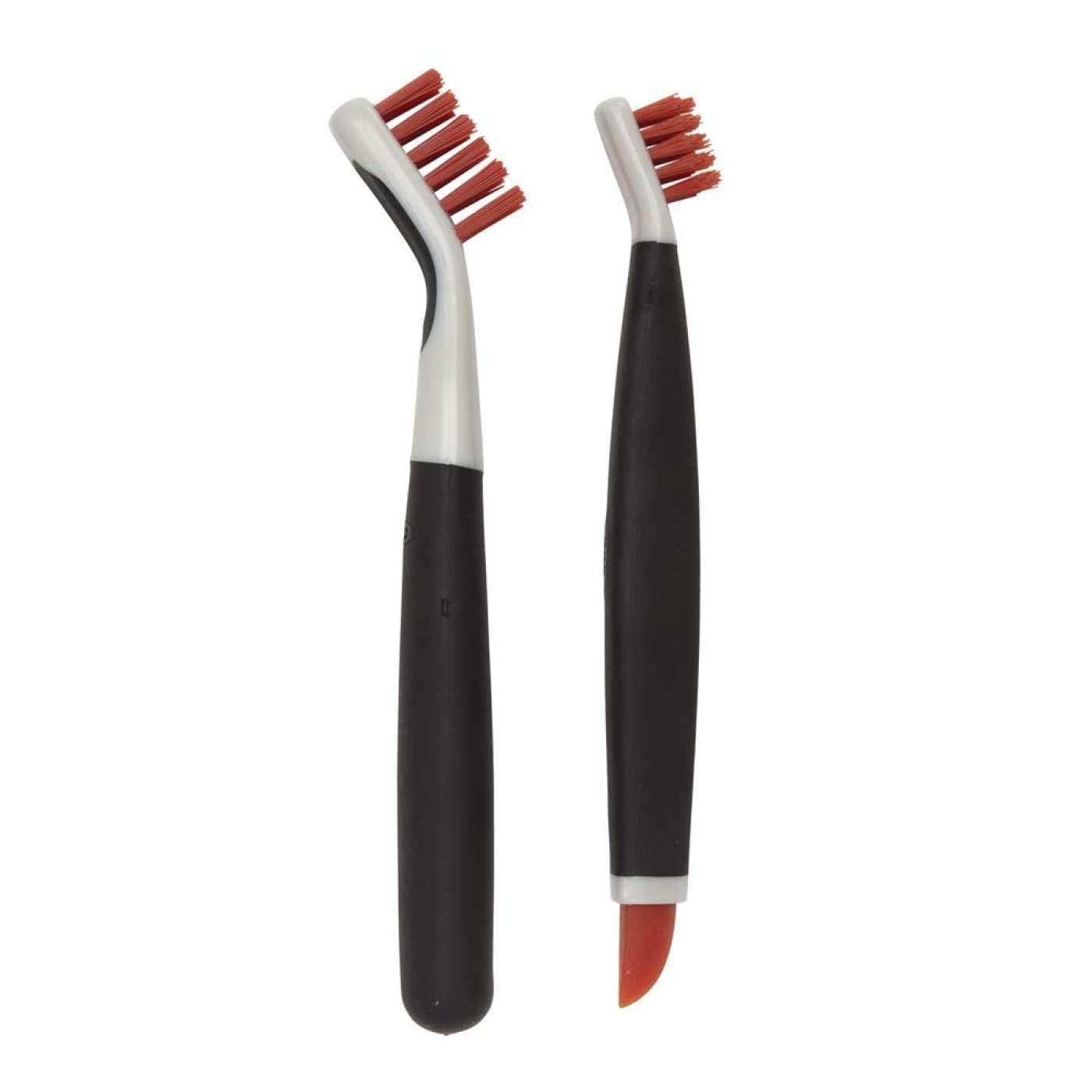
A versatile two-brush set that balances reach, comfort, and durable bristles for grout and tight shower tracks.
Why I picked it: Two sizes plus a wiper blade and a non-slip grip make routine grout work easier.
Best for: Grout lines, shower door tracks, and around fixtures.
A practical, midpriced cleaning-tool investment.
Pros
- Dual brush sizes for wide and tight areas
- Comfortable non-slip handles
- Durable nylon bristles
- Built-in wiper blade for drains
Cons
- Requires manual scrubbing effort
- Small head slows large-area jobs
My take
I bring this set out for the weekly maintenance tasks that would otherwise take too long with a generic toothbrush. The large brush is angled and sized perfectly to get in grout lines and along shower door tracks, and the smaller pointed brush finds the gaps around faucets without fuss.
The handles are genuinely comfortable — the soft non-slip grips let me push harder without my hands slipping or getting sore. The nylon bristles feel sturdy enough to remove grime without shredding after several uses.
That little silicone-like wiper blade on the small brush is surprisingly handy for scraping built-up muck out of drains and crevices. If I need to attack a whole shower wall I’ll reach for a powered option, but for spot work and regular upkeep this set is my go-to.
2. SXhyf Crevice Cleaning Brush – Grout Scrub Brush – Best Budget Crevice Brush
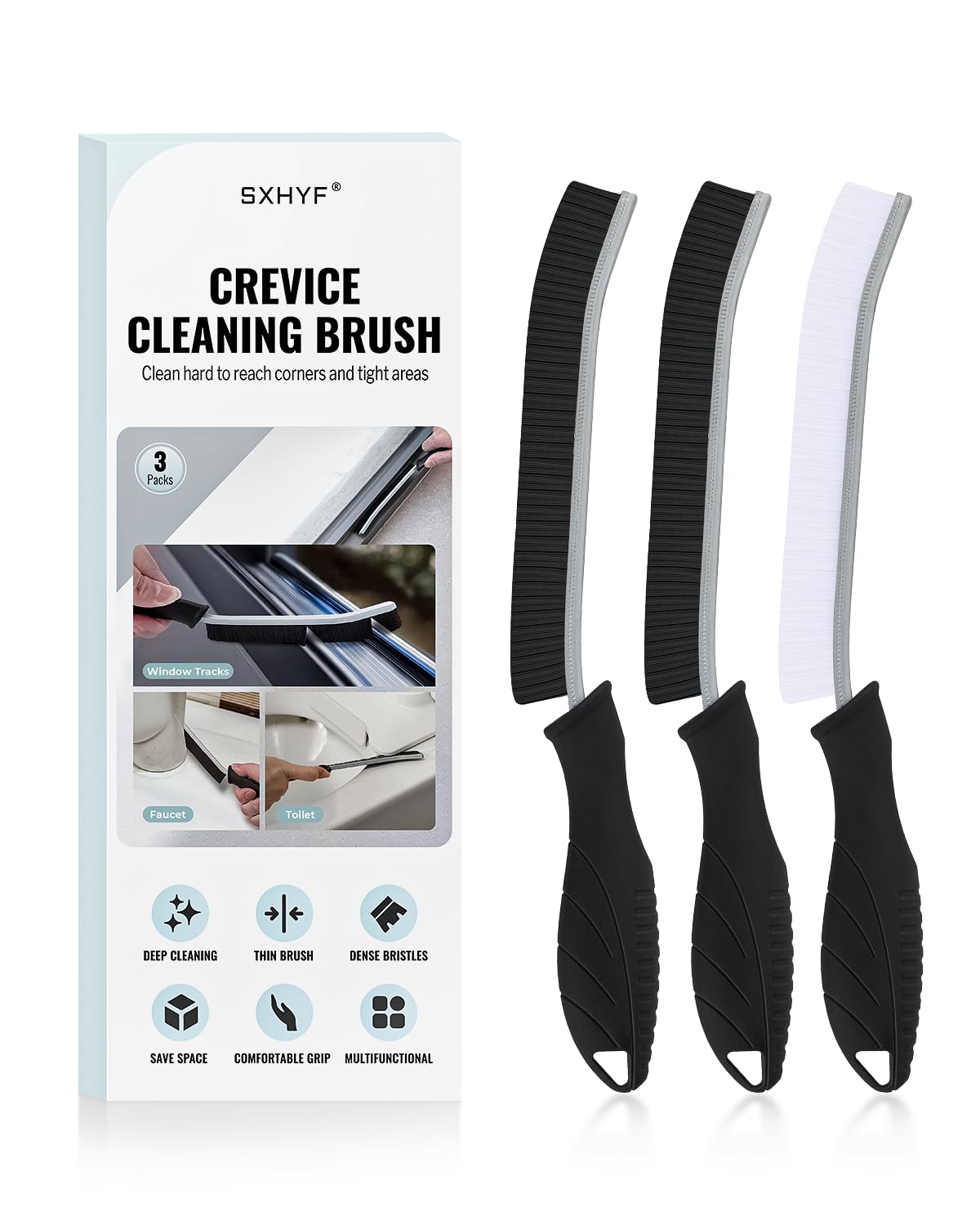
A narrow, stiff-handled brush made to slip into tiny gaps and clean stubborn grime without scratching.
Why I picked it: Extremely narrow head and stiff handle make tight gaps simple to clean.
Best for: Thin grout lines, window sills, door tracks, and narrow shower crevices.
Very affordable and easily replaceable.
Pros
- Very narrow head for tight spaces
- Stiff, non-slip handle
- Lightweight and easy to store
- Hanging hole for compact storage
Cons
- Not ideal for very rounded tiny corners
- Hard bristles may be too aggressive on delicate tile
My take
When I need to get into a thin seam or that impossible corner behind a faucet, these thin brushes do the job faster than any dentist-style brush I’ve tried. The head reaches where wider brushes won’t.
The handle is rigid enough to give good leverage, so I can really work at caked-on grime without the tool flexing. Because they’re so inexpensive, I don’t worry about keeping a few spares on hand.
If you need something to get into microscopic nooks, a pointed-tip brush would be better; these are great for most tight areas but not for the absolute tiniest rounded crevices.
3. Interior Car Detailing Drill Brush Set – Soft Bristle Power Scrubber Attachments – Best for Fast Deep Cleaning
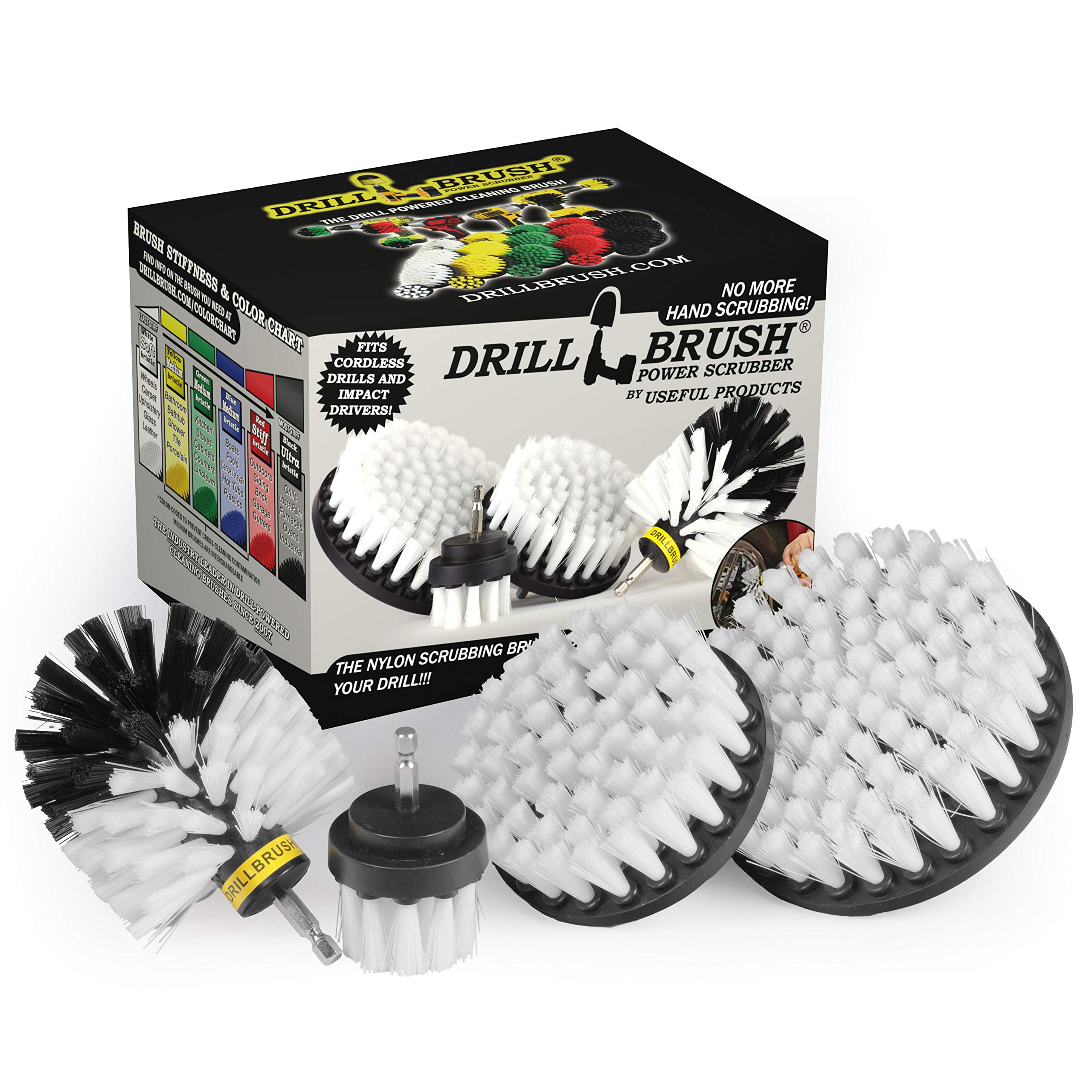
A drill-attach brush kit that turns a cordless drill into a rapid grout and tile cleaner.
Why I picked it: Powerful, fast cleaning that dramatically cuts elbow grease when paired with a cordless drill.
Best for: Large shower walls, heavily soiled grout, and users with limited hand strength.
A higher-cost tool but saves time and labor.
Pros
- Dramatically reduces scrubbing time
- Multiple brush sizes for jobs of any scale
- Fits standard cordless drills
- Durable metal shafts and bristles
Cons
- Requires a drill to operate
- Needs control to avoid fragile finishes
My take
I keep these drill brushes in my cleaning kit for the big, dreaded jobs. With a cordless drill the 4–5 inch flat brushes make light work of shower walls and large tile areas that would otherwise take ages by hand.
The smaller two-inch brushes are great for tight spots and grout lines around drains and fixtures. They’re also a blessing when my hands are tired — I’ve used them after shoulder surgery and they saved me from a lot of pain.
Control is important: on delicate or older grout I dial back speed and pressure so I don’t gouge the grout or damage trim. If you already own a drill this set is one of the best time-savers I’ve found.
4. Lysol Power Foaming Bathroom Cleaner – Best Non-Bleach Cleaner
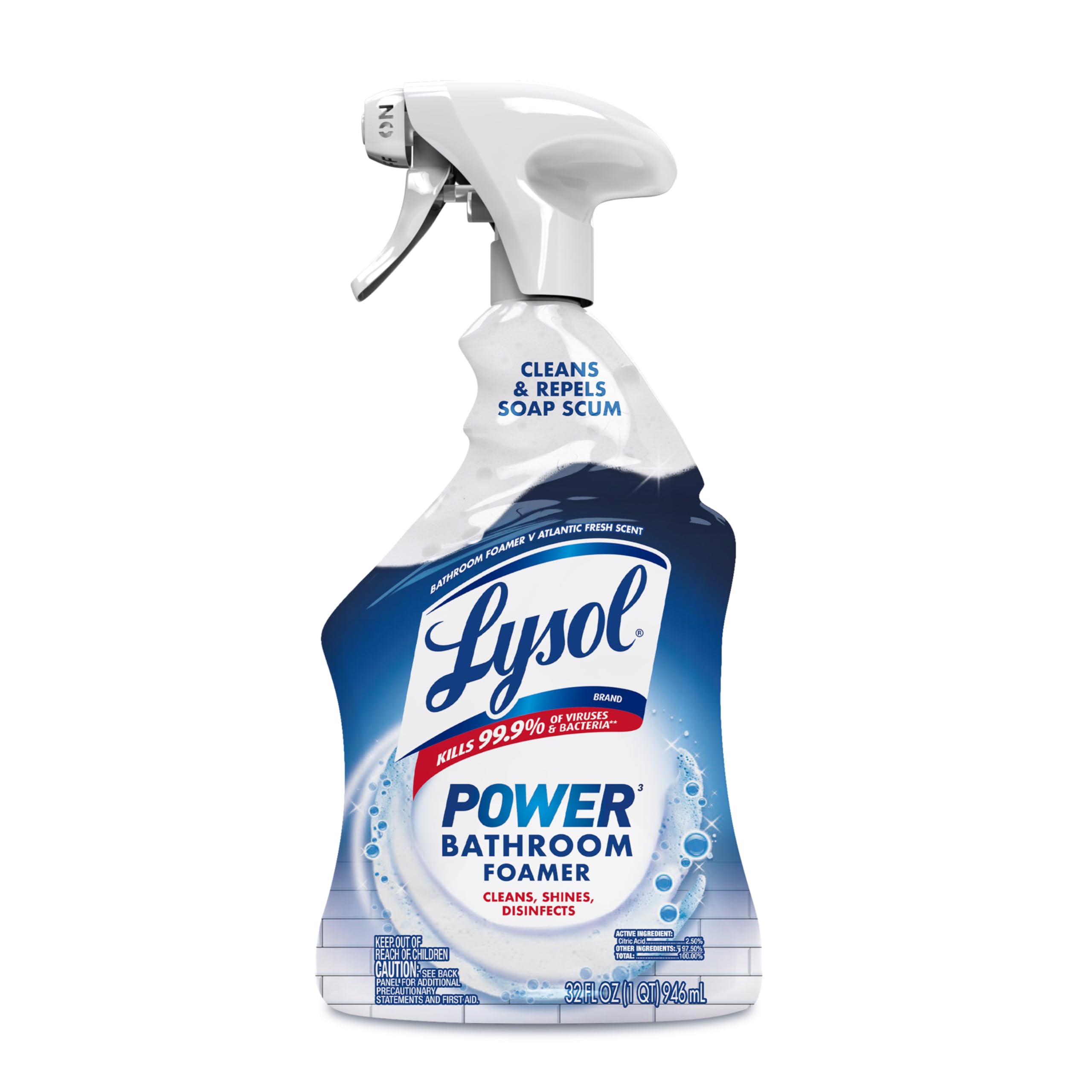
A foaming, citric-acid formula that cuts soap scum and helps sanitize without bleach fumes.
Why I picked it: Foam clings and breaks down soap scum quickly while avoiding bleach.
Best for: Daily to weekly maintenance on shower doors, tiles, and fixtures.
An affordable, effective everyday cleaner.
Pros
- Foam clings to vertical surfaces
- No bleach; citric acid active
- Fast action for soap scum
- Pleasant, fresh scent
Cons
- Needs short dwell time for best results
- Foam may run if overapplied
My take
I reach for this Lysol foamer when I want a quick, bleach-free clean. The foam clings to shower glass and tile so I can spot-treat soap scum and hard water deposits and then wipe them away with little elbow grease.
I like that it’s powered by citric acid rather than bleach — it still cleans and sanitizes surfaces without the harsh bleach smell. Letting it sit for a minute or two before wiping makes the job noticeably easier.
For stubborn mineral deposits I’ll follow up with a brush, but for routine maintenance this product keeps the shower looking fresher for longer and makes weekly cleaning feel faster.
5. Clorox Clean-Up Multi-Surface Cleaner with Bleach – Best Bleach-Powered Cleaner
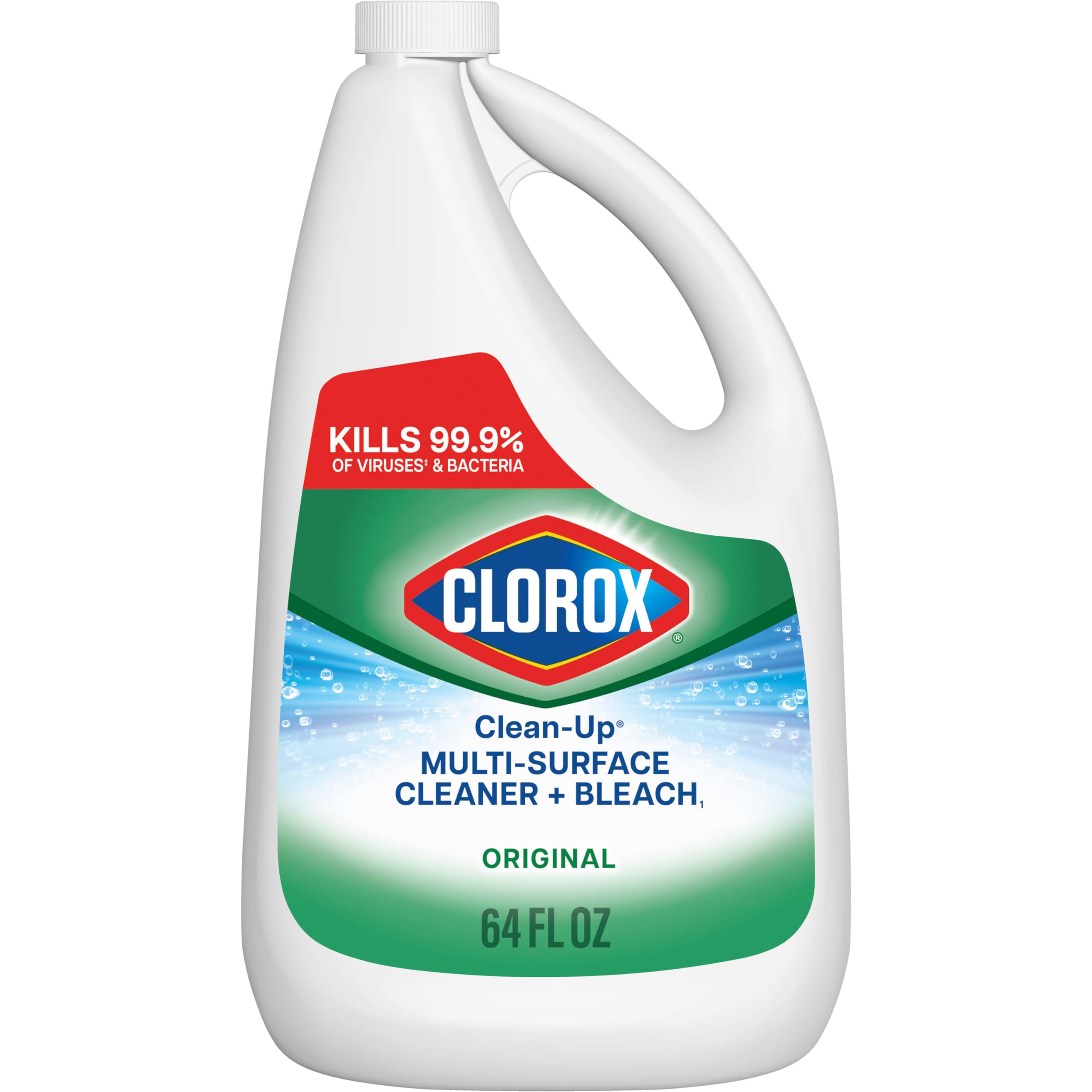
A bleach-based multi-surface cleaner that disinfects, removes stains, and tackles mold with no-nonsense power.
Why I picked it: Powerful stain removal and disinfecting action for heavily soiled areas.
Best for: Tough mildew, mold, and heavily stained grout in bathrooms.
A value option for heavy-duty disinfecting and stain removal.
Pros
- Powerful stain and mildew removal
- Disinfects while it cleans
- Works on many hard surfaces
- Great for outdoor pavers and patios
Cons
- Can bleach fabrics and some finishes
- Requires care and ventilation
My take
When I need to strip away stubborn mildew or deep-set stains, this Clorox cleaner is my go-to. The bleach formulation attacks organic stains and leaves surfaces visibly brighter with minimal scrubbing.
I’ve used it on tile, grout, and even outdoor pavers with great success, but I’m careful to avoid prolonged contact with delicate porcelain and to protect any nearby fabrics because it will bleach.
Good ventilation and old clothes are part of my routine when I use this product — it’s effective, but I treat it as a heavy-duty solution rather than a daily cleaner.
6. Scrubbing Bubbles Foaming Bleach Bathroom and Shower Cleaner – Best Budget Bleach Foam
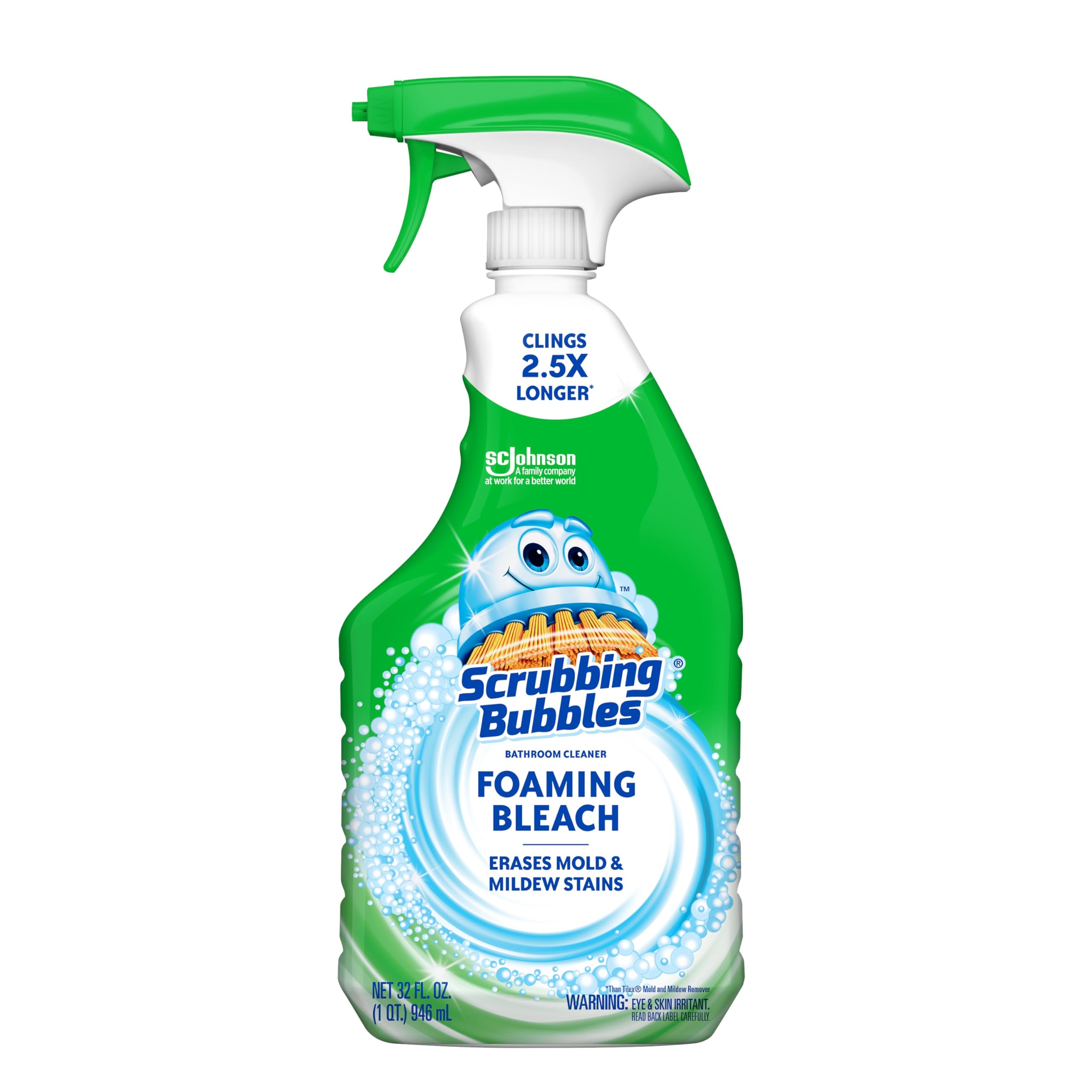
A clingy bleach foam that erases soap scum, mildew, and grime with minimal scrubbing.
Why I picked it: Foam formula clings and reduces elbow grease for fast mildew removal.
Best for: Mildew-prone showers and quick, visible brightening of tiles and grout.
An inexpensive, effective foaming option.
Pros
- Foam clings to vertical surfaces
- Effective on mold and soap scum
- Easy spray trigger
- Leaves surfaces looking renewed
Cons
- Bleach fumes can be strong
- Not ideal for unsealed porous stone
My take
I like this Scrubbing Bubbles foamer for the jobs where mildew and soap scum have built up. The foam sticks to the surface so it can work in corners and grout lines without immediately running off.
Sometimes I’ll let it sit for a bit and then wipe; on tougher spots a quick brush pass finishes the job. The bleach-based formula makes visible differences fast, but I always ventilate the room and avoid using it on unsealed natural stone.
For everyday maintenance I rotate this with a non-bleach cleaner to keep odors and chemical exposure down, but when I need bright, fast results this is one of the first sprays I reach for.
How I Choose Tile Cleaners and Scrub Tools for Showers
Match the tool to the task
For small, detailed areas I favor narrow, stiff brushes. For entire walls or very dirty grout, a drill brush kit saves hours.
Chemical foams are great for breaking down soap scum and mildew before any scrubbing; choose bleach or non-bleach based on the finish and ventilation.
- Handheld brushes for precision and delicate finishes
- Drill brushes for speed on large areas
- Non-bleach foam for regular cleaning and sealed surfaces
- Bleach cleaners for heavy mildew and stain removal (use cautiously)
Surface safety and prep
Always check that your tile and grout are sealed. Bleach can damage or discolor some finishes, and prolonged contact with porcelain is discouraged.
Ventilate and wear gloves when using bleach-based products; test cleaners in an inconspicuous spot first.
- Test in a hidden area first
- Wear gloves and ventilate when using harsh cleaners
- Avoid prolonged contact of bleach with delicate finishes
Maintenance advice
I find short, regular touch-ups keep grime from becoming a back-breaking job. Foam cleaners that cling help extend the time between deep scrubs.
Keep a small crevice brush on hand for drains and tight corners to avoid buildup.
- Weekly quick clean keeps grout manageable
- Store brushes dry to prevent mildew
- Rotate cleaners to reduce chemical exposure
Frequently Asked Questions
Should I use bleach cleaners on all tile types?
I avoid bleach on unsealed natural stone and test on a hidden spot for porcelain or decorative tile; for tough mildew on sealed surfaces it’s effective but needs ventilation.
Are drill brushes safe for grout?
I use drill brushes at low speed and light pressure on grout — they speed the job but require control to prevent gouging or grout damage.
How often should I deep-clean shower grout?
I deep-clean heavily soiled grout every few months and do weekly spot maintenance with a foaming cleaner and a crevice brush.
Final Take
I rely on a mix of tools: precise narrow brushes for corners, a Good Grips set for regular upkeep, and drill brushes when I need to attack large, grimy areas.
For cleaners, I rotate a citric foamer for routine use and a bleach-based product when mildew or heavy staining demands more power, always following surface-care precautions.
Pick the combination that fits your shower finishes and how much effort you want to spend — the right tool makes the job significantly easier.
