
I tested eight go-to vacuum attachments so you can skip the guesswork. These tools stretch a vacuum’s usefulness — from quick touch-ups to shop-vac duty — and I explain when each one earns a spot in my cleaning kit.
I keep a small stash of attachments because the right nozzle turns a vacuum from a one-trick tool into a versatile cleaner. Over months of real-world use I put each of these attachments through daily quick cleans, car-detail sessions, and shop jobs.
In this roundup I share which attachments worked best for delicate dusting, tight crevices, cordless Dyson swaps, and heavy-duty shop-vac work — plus why I reach for one over another depending on the task.
I grouped these picks by the jobs I actually do: quick-touch sweepers for living areas, dedicated dusting brushes for delicate surfaces, Dyson-compatible kits when I need reach and variety, and robust shop-vac nozzles for the garage. My recommendation depends on the tool and the job, so I highlight what each attachment excels at and where it falls short.
1. Fuller Brush Electrostatic Carpet & Floor Sweeper – Best for Quick Touch-Ups
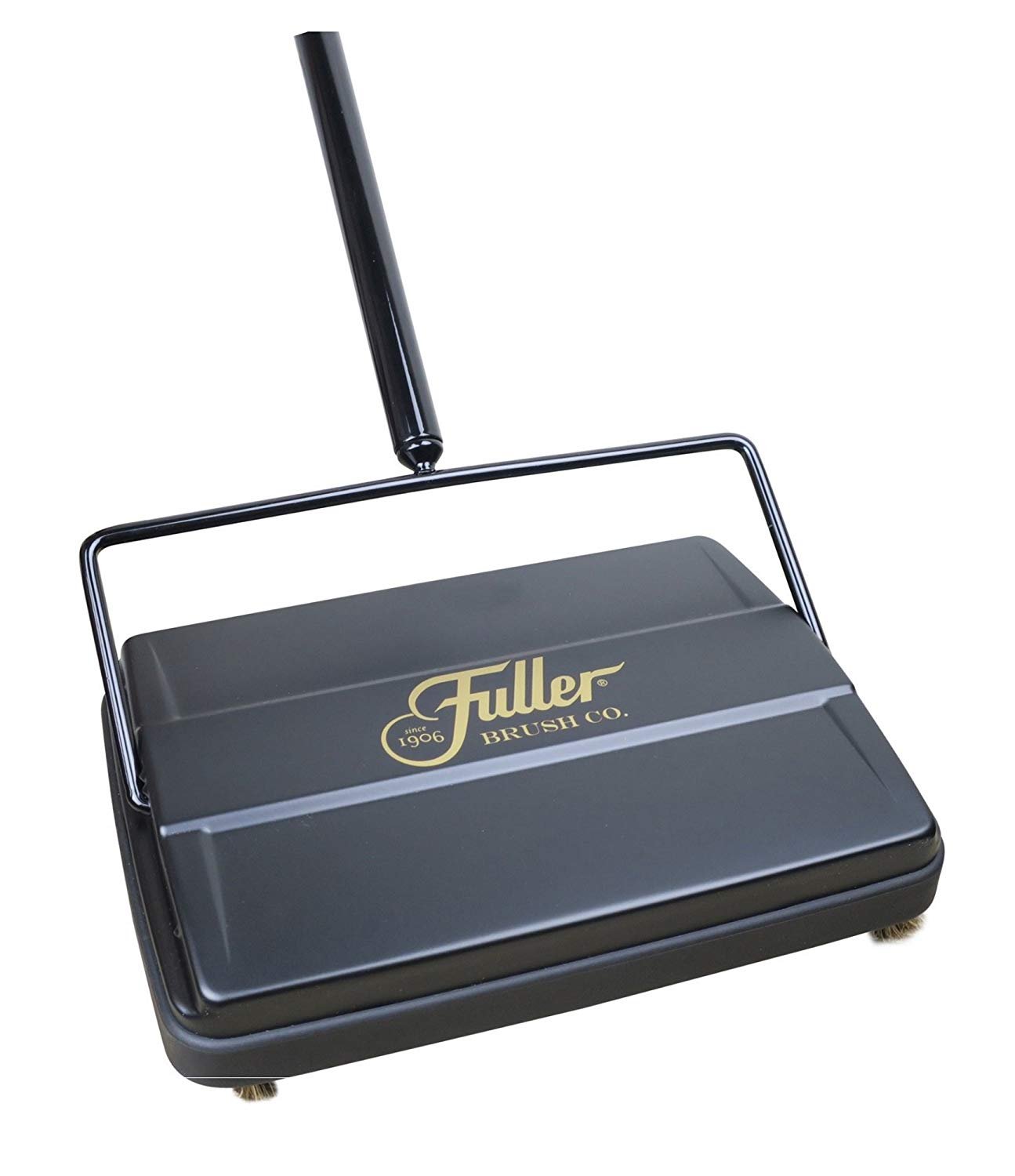
I keep this manual electrostatic sweeper for fast daily cleanups where dragging out the vacuum doesn’t make sense.
Why I picked it: Always-ready, silent touch-ups that pick up crumbs and pet hair without power.
Best for: Fast crumb pickup on low-pile carpet and hard floors.
A more affordable alternative to firing up a full vacuum for small messes.
Pros
- Always ready — no power or batteries
- Lightweight and foldable for storage
- Electrostatic bristles grab hair and crumbs
- Dual dust bins for easy emptying
Cons
- Small 9" cleaning head limits coverage
- Not a substitute for deep vacuuming
- Requires manual pushing for pickup
My take
I use this sweeper when I want a quiet, five-minute clean instead of hauling out my upright. Its electrostatic bristles really cling to crumbs and pet hair on hardwood and low-pile rugs, and the folding handle makes it trivial to stash under a bed or in a closet.
Emptying is delightfully simple — press the tabs, and the debris drops into the trash — and the included comb helps when hair wraps the brush. Expect it to work best as an interim tool; it won’t replace a powered vacuum for embedded dirt or high-pile rugs.
If you live with pets or want a daily maintenance tool to keep floors presentable between deep cleans, this is the one I grab.
2. Fullclean Dyson-Compatible Attachment Kit – Best Dyson-Compatible Kit
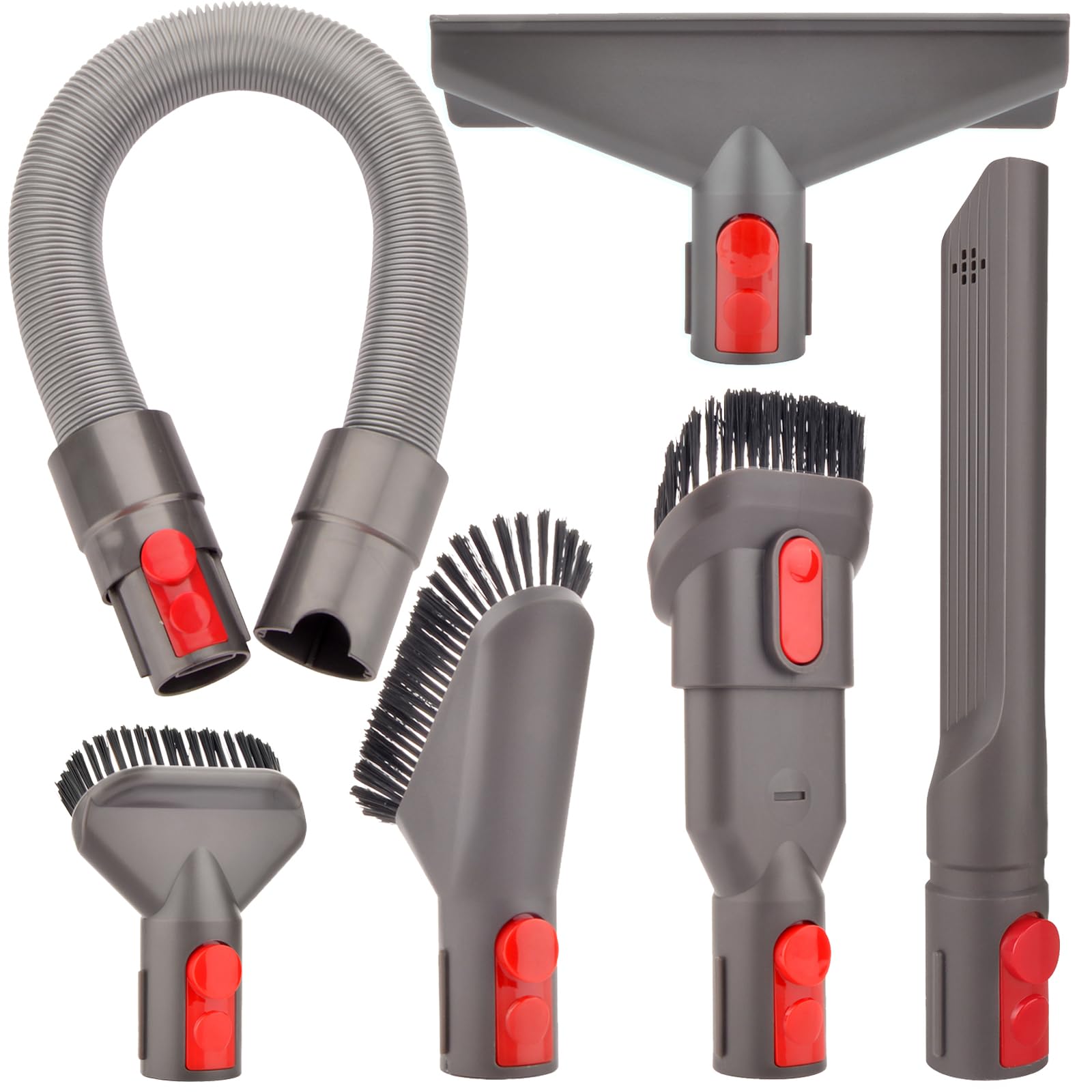
I chose this kit when I needed reach and a variety of nozzles for a Dyson-style cordless vacuum without paying OEM prices.
Why I picked it: Comprehensive set with a long flexible hose and specialty tools for cars, mattresses, and furniture.
Best for: Car detailing, mattress and furniture cleaning, and reaching high places.
A budget-friendly way to expand a Dyson-style cordless vacuum’s capability.
Pros
- Includes crevice, mattress, and two brush heads
- Flexible hose extends reach up to 63 inches
- Covers many common cordless Dyson models
- Good value for the number of tools
Cons
- Not compatible with non-Dyson or some older Dyson models
- Some tools can fit tightly and need extra force
My take
I bought this kit to detail my car and to reach tops of shelves without swapping to a long wand. The flexible hose is the standout — 63 inches of reach makes the glove box, under seats, and tight dash vents easy to hit.
Most tools snap together and perform the jobs they’re made for: the mattress tool pulls hair and lint, the crevice reaches seams, and the brushes clear dust from trim. A handful of pieces took a firm push to attach, so I treat them as aftermarket fitments rather than precision OEM parts.
For expanding a cordless setup without spending on brand accessories, this kit is the go-to I reach for.
3. RDEXP Round Horse Hair Dusting Brush – Best Dusting Brush
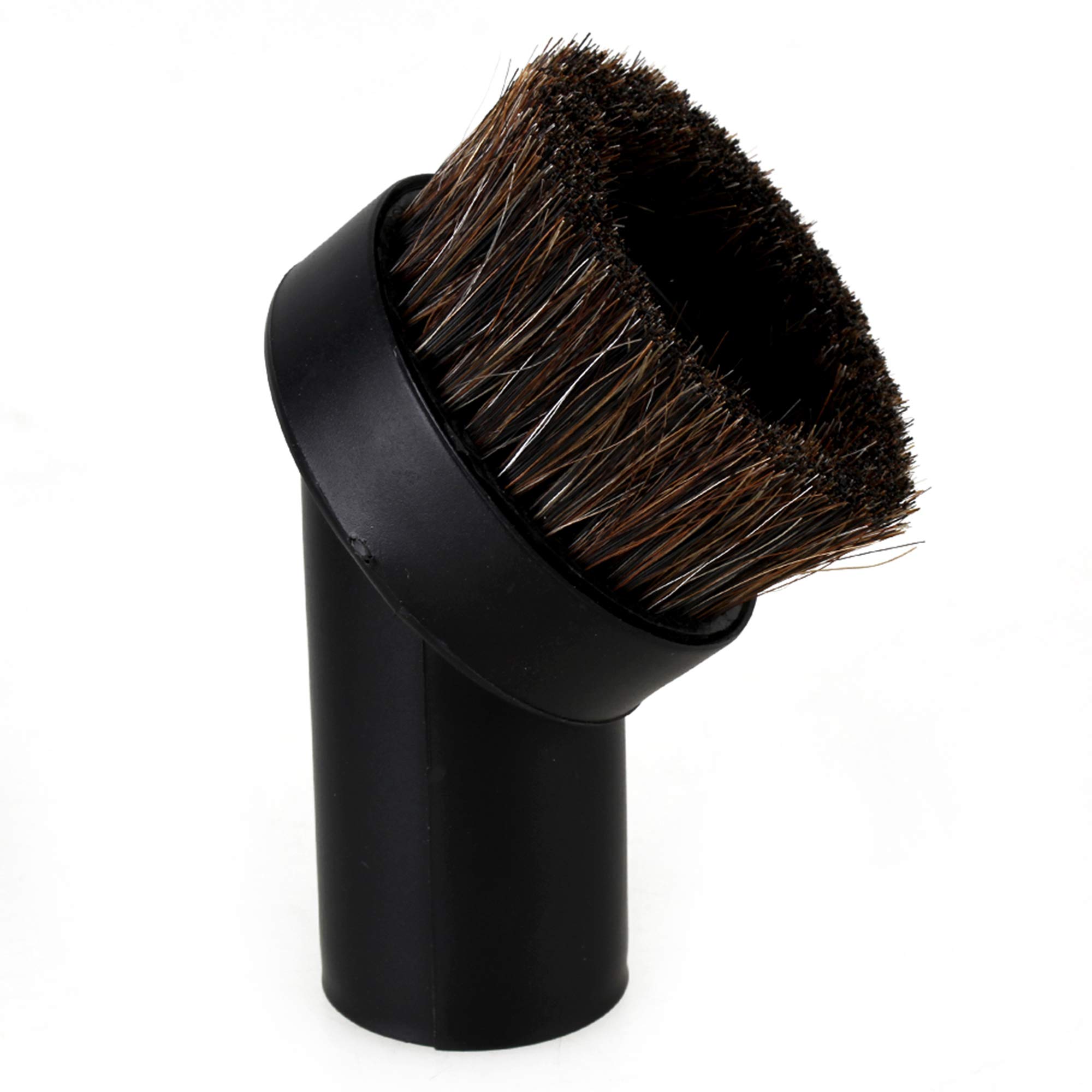
I rely on this round horse-hair-style brush when I need gentle, effective dusting on delicate surfaces.
Why I picked it: Soft yet firm bristles dislodge dust without scratching finish or electronics.
Best for: Blinds, vents, molding, picture frames, and antique woodwork.
An inexpensive way to add a delicate, precise dusting tool to my collection.
Pros
- Soft/firm bristles clean without scratching
- Designed for delicate surfaces and grooves
- Fits standard 1.25" (32mm) hoses
- Compact round profile accesses tight spots
Cons
- Not pure horse hair — blended bristles
- Fit depends on hose outer diameter
- Limited to smaller 1.25" connections
My take
This brush is my go-to when I want to dust crown moldings, vent grates, or a TV screen without risking scuffs. The bristles have enough stiffness to loosen embedded dust while staying soft to the touch.
I tested it on an upright and a canister hose and liked how it reached carved moldings and vent slats. The one thing I always verify before buying is the joint measurement — it needs a hose with an outer diameter smaller than 1.25 inches to fit snugly.
When a cleaning task calls for care more than brute suction, I attach this brush first.
4. Fulllclean Crevice Tool – Best Crevice Tool for Dyson
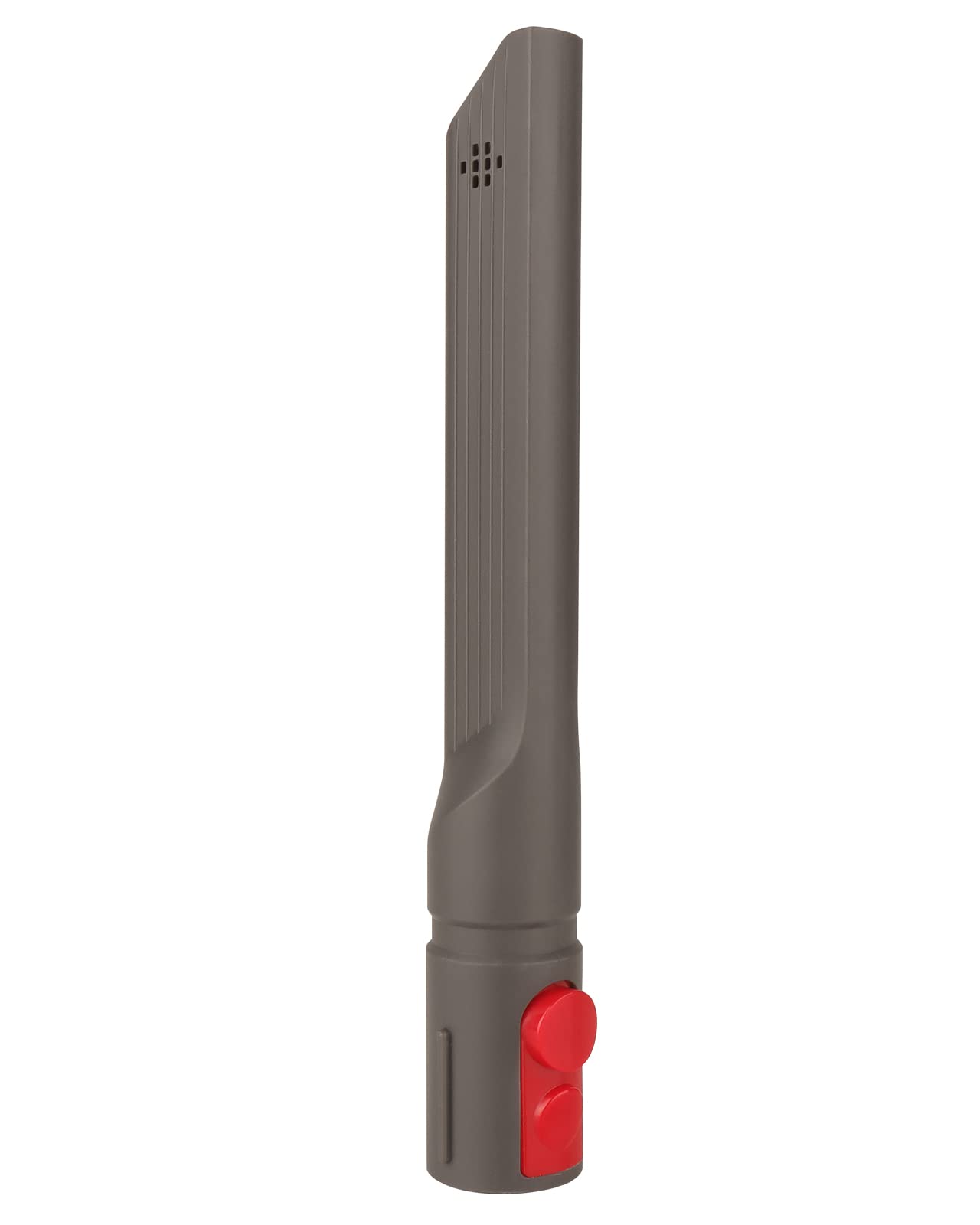
I keep this slim crevice tool handy for getting into seams, corners, and the narrow gaps my main head can’t reach.
Why I picked it: Slim, long profile that connects directly to many Gen5 Dyson-style cordless models.
Best for: Baseboards, carpet seams, and car interiors with a Dyson-style cordless vacuum.
A practical, low-cost replacement for a commonly used Dyson nozzle.
Pros
- Slim profile reaches tight spaces
- Directly connects to many Gen5 Dysons
- Convenient length for stairs and seams
- Easy to store on docking stands
Cons
- Not for older Dyson ball/canister models
- Suction can feel reduced in some setups
My take
I use this crevice tool on stairs and along baseboards where the motorhead won’t fit. It clips into my Dyson dock cleanly and the slim opening focuses suction into gaps where pet hair and crumbs hide.
On a V8 it felt particularly effective for carpet seams and step corners; on some models the narrow outlet made the suction feel stronger at the tip, which is useful for tight dirt. It’s a simple, no-frills tool that does the job every time I need precision.
5. WORKSHOP WS12502A Crevice Tool – Best for Shop Vacs
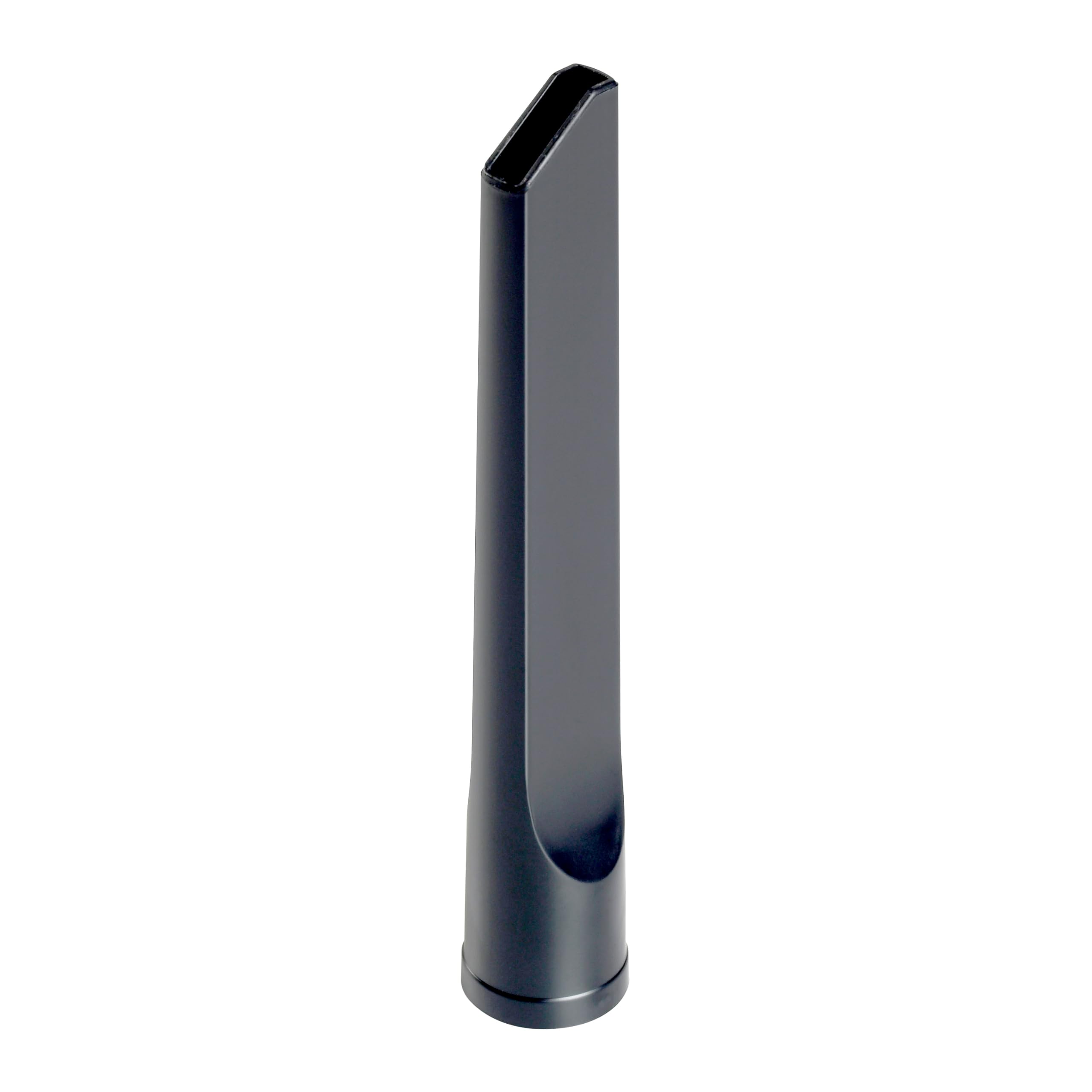
I recommend this crevice nozzle when I need a tough, simple tool that fits 1-1/4" shop-vac hoses and reaches into narrow work areas.
Why I picked it: Sturdy, practical length and a bevel that won’t catch automotive carpet or upholstery.
Best for: Garage jobs, tight shop spaces, and automotive interiors with 1-1/4" hoses.
A no-frills, budget-friendly replacement for lost shop-vac nozzles.
Pros
- Fits most 1-1/4" shop-vac hoses
- Sturdy, simple construction
- Beveled tip won’t snag carpet
- Practical length for tight areas
Cons
- Only fits 1-1/4" diameter hoses
- Basic plastic finish, purely functional
My take
This crevice tool replaced an old broken nozzle in my shop and performed exactly as I needed: sturdy, long enough to reach under appliances, and narrow enough for between-seat crevices in a car.
The bevel on the tip is a thoughtful touch — it doesn’t gouge or grab fabric when I’m cleaning upholstery. If you’ve got a 1-1/4" hose, this is the simple tool I keep in my toolbox.
6. CRAFTSMAN 1-7/8in Dusting Brush – Best Heavy-Duty Dusting Brush
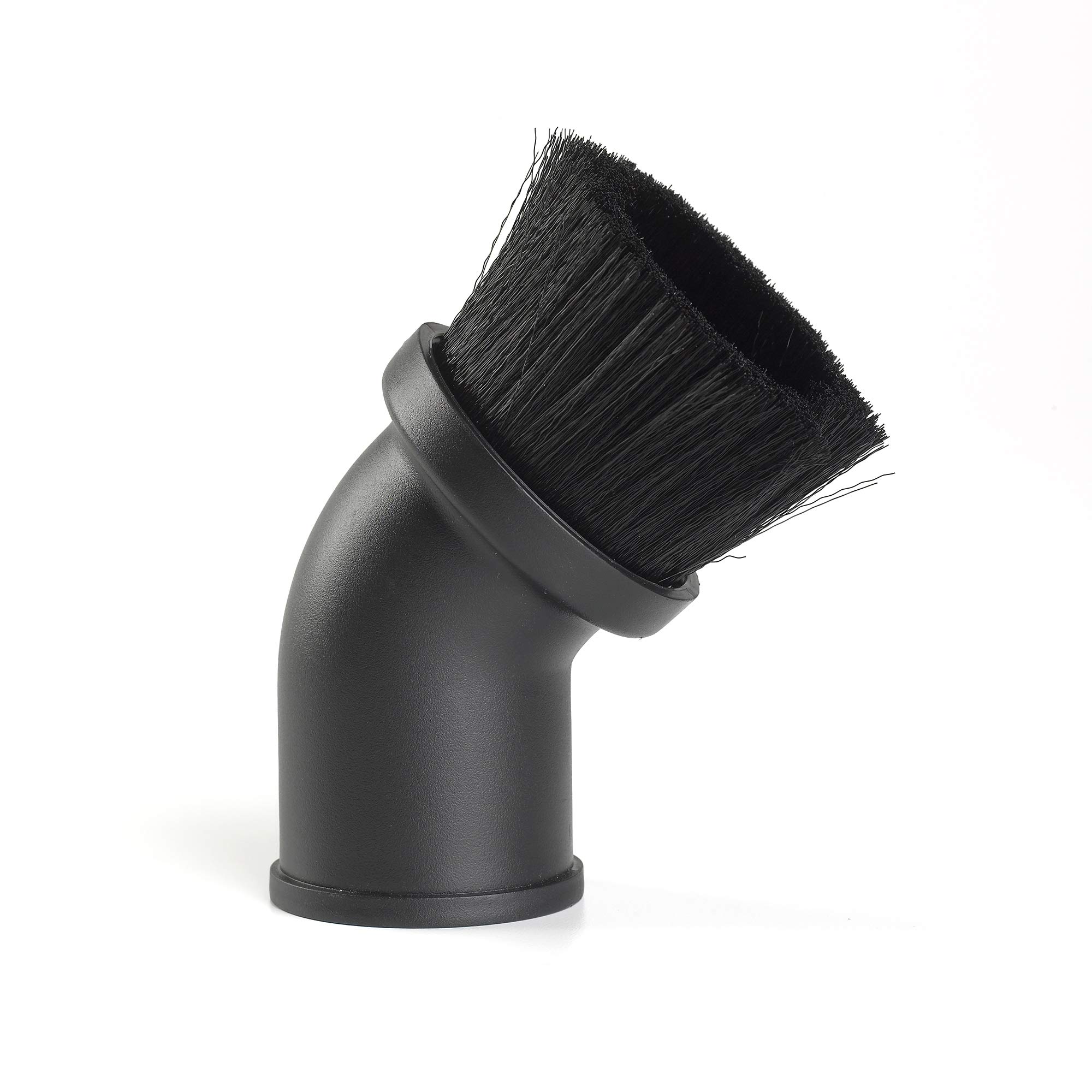
I use this larger shop-vac brush when debris is chunky or the surface is rough — it’s built for the tougher jobs.
Why I picked it: Industrial-grade build and larger diameter bristles handle wood chips, metal shavings, and coarse debris.
Best for: Workshops, garages, and heavy cleanup on cars and outdoor surfaces.
A heavier-duty option worth picking if you need a durable brush for shop use.
Pros
- Industrial-grade construction
- Handles wood chips and metal shavings
- Bristles reach into crevices
- Fits 1-7/8" hoses used on many shop vacs
Cons
- A bit pricier than basic brushes
- Bristle thickness could be improved
My take
When I’m cleaning a garage bench or vacuuming car floor mats full of grit, this Craftsman brush is what I attach. The larger 1-7/8" size provides good airflow and the bristles hold up to tougher debris.
It’s not delicate, so I avoid it on polished furniture. For workshop duty it’s dependable and fits my DeWalt and Craftsman wet/dry setups without fuss.
7. Makita Cyclonic Vacuum Attachment – Best Cyclonic Attachment
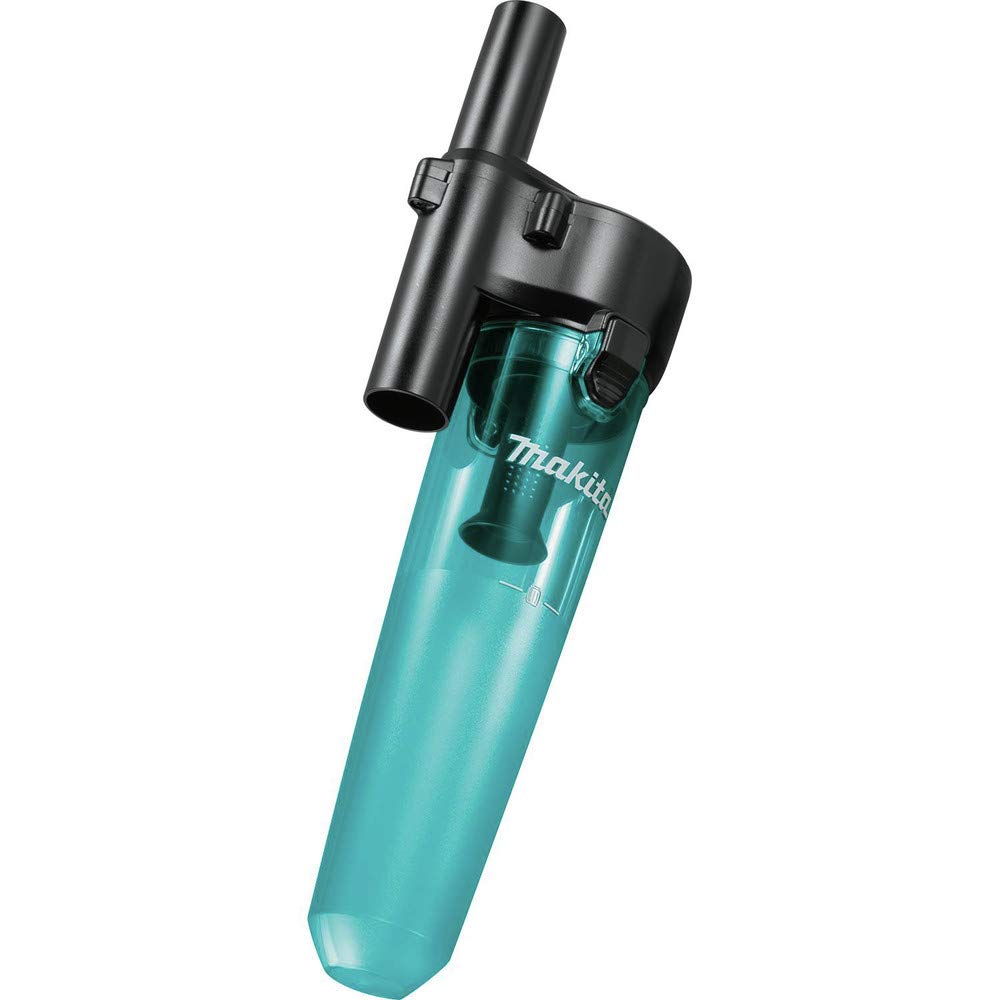
I add this cyclonic pre-separator when I want to keep the main canister and filter from clogging during heavy or dusty work.
Why I picked it: Cyclonic action traps bulk debris, cutting how often I empty the main canister and clean the filter.
Best for: Fine dust, pet hair, and extended vacuum sessions on Makita stick vacuums.
A slightly more premium accessory that pays back by reducing filter maintenance.
Pros
- Cyclonic separation collects most debris
- One-touch release for easy emptying
- 360° positioning for reach
- Extends filter cleaning intervals
Cons
- Adds weight to the vacuum
- Only fits Makita stick vacuums
My take
I fitted this to my Makita stick vacuum for jobs that produce lots of fine dust. It captures the bulk of debris in its cyclonic chamber before the air ever reaches the main filter, which dramatically reduces how often I have to open and clean the filter.
Emptying is quick with the one-touch release, and the 360-degree positioning helped me get into awkward corners without twisting my wrist. It does add a little heft to the tool, but the maintenance savings make it worth the trade for my frequent use.
8. Docking Station Accessory Holder for Dyson – Best Organizer
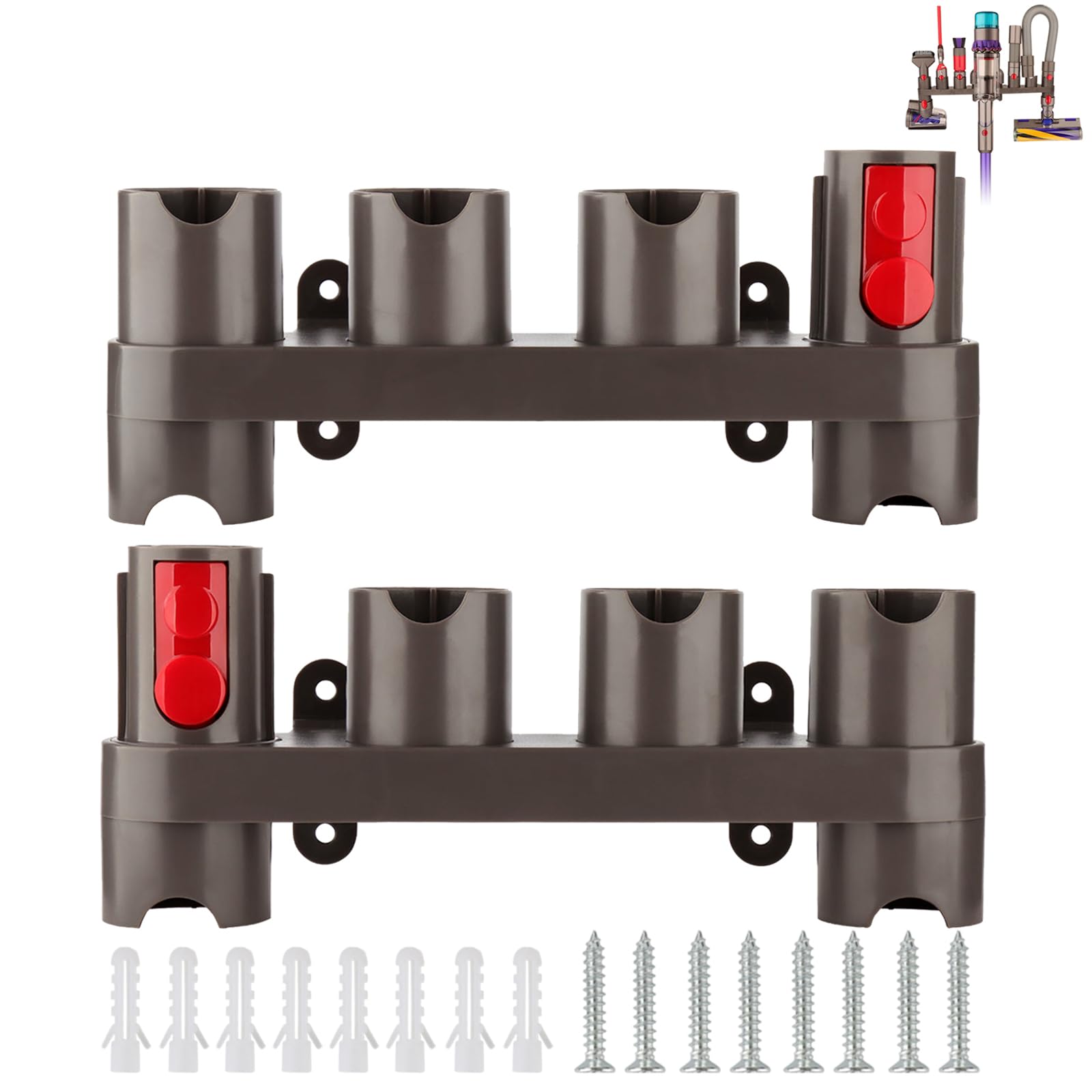
I installed this accessory holder to keep all my Dyson-style nozzles tidy and easy to reach.
Why I picked it: Holds up to 10 adapters and matches the vacuum’s look while freeing up the docking area.
Best for: Organizing multiple Dyson-style attachments on a dock or wall mount.
A practical organizer that keeps clutter off the floor and tools close at hand.
Pros
- Stores up to 10 attachments
- Polished look matches Dyson docks
- Easy installation to dock or wall
- Rotating slots increase storage flexibility
Cons
- Not for V10 slim motorized parts
- Requires careful alignment when mounting
My take
I screwed this onto my dock and it instantly cleaned up the mess of loose nozzles. The adapters hold tools securely and the overall fit and finish blends well with my Dyson charging station.
One minor hiccup: the mount slots for the charger are a touch wide, so I made sure to align everything carefully before attaching. Once installed, it’s an organizer I use every day.
How I Choose Vacuum Attachments
Compatibility and Fit
I always measure the outside diameter of my hose or wand before buying an attachment. Many aftermarket tools need the wand outer diameter to be slightly smaller than the attachment’s stated inner diameter to form a snug fit.
When a product lists specific models (especially for Dyson and Makita), I match the model family rather than the generation to avoid surprises.
- Measure your hose/wand outer diameter with calipers or a ruler.
- Look for direct-fit listings for brand-specific sticks (Dyson, Makita).
- Expect some aftermarket tools to require a firm push to snap in.
Bristle Types and Surfaces
I pick horse-hair or blended bristle brushes for delicate surfaces and switch to stiffer or larger brushes for workshop debris.
A round dusting brush cleans grooves and ornate trim better than a flat rectangular brush in my experience.
- Soft horse-hair: electronics, polished wood, picture frames.
- Stiff/industrial: shop dust, metal shavings, coarse upholstery.
- Round brushes reach grooves; flat heads cover larger surface area.
Specialty Attachments I Keep Handy
A slim crevice tool is indispensable for seams and stairs. I also keep a mattress tool for lint and a flexible hose for reach when detailing a car or cleaning high shelves.
If I’m doing a lot of fine-dust work, a cyclonic pre-separator saves me time on filter maintenance.
- Crevice tool for seams and corners.
- Mattress tool for upholstery and bedding.
- Flexible extension hose for high or awkward reach.
- Cyclonic attachment to preserve filters during heavy use.
Maintenance and Longevity
I clean brush heads and comb out wrapped hair regularly to keep attachments performing. Plastic nozzles are durable but can warp if stored improperly.
For cyclonic and dust-collection accessories, I empty the pre-chamber before it fills to maintain airflow.
- Remove hair and debris from rotating brushes after each use.
- Store attachments clipped or hung to prevent deformation.
- Rinse washable parts and let them dry fully before reinstalling.
Frequently Asked Questions
How do I know which attachment will fit my vacuum?
I measure the outer diameter of my wand or hose and compare it to the attachment’s listed inner diameter. For brand-specific sticks (Dyson, Makita), I match the model family to ensure a direct fit.
Can I use a dusting brush on delicate surfaces like a TV screen?
Yes — I use soft horse-hair or blended-bristle round brushes for TVs and polished furniture because they dislodge dust without scratching when used gently.
When should I add a cyclonic attachment to my vacuum?
I add a cyclonic pre-separator when I’m vacuuming fine dust, heavy pet hair, or doing long runs — it traps bulk debris and keeps the main filter from clogging, which saves time on maintenance.
Final Take
I organize my toolkit by task: a manual sweeper for daily touch-ups, a dusting brush for delicate work, specific crevice tools for detail cleaning, and rugged shop-vac accessories for the garage. Each of the attachments above earns a spot because it solved a real-life cleaning problem for me.
If you pick one thing from this list, choose based on the job you do most — expand reach and variety with a compatible kit for cordless vacuums, or invest in a cyclonic or industrial brush if you work with dust and debris regularly. I use these tools together, and they make cleaning quicker and less of a chore.
