
I tested five vanilla bean pastes and chose favorites for organic everyday use, chef-grade baking, bulk supply, ethical sourcing, and small-batch gourmet needs.
I bake a lot, and I rely on vanilla bean paste more than extract for recipes where flavor and visible vanilla specks matter. Over weeks of testing, I focused on flavor depth, texture, ingredient quality, and how each paste performs in real recipes like custard, buttercream, ice cream, and cookies.
Below I break down the five pastes I used most and why each one earned a spot in my kitchen. I include which recipes they shine in and how to get the best results from each jar.
I compared organic certification, visible vanilla seeds, concentrate, jar sizes, and production methods so you can pick the paste that fits your cooking style.
1. Watkins Organic Vanilla Bean Paste – Best Organic Everyday
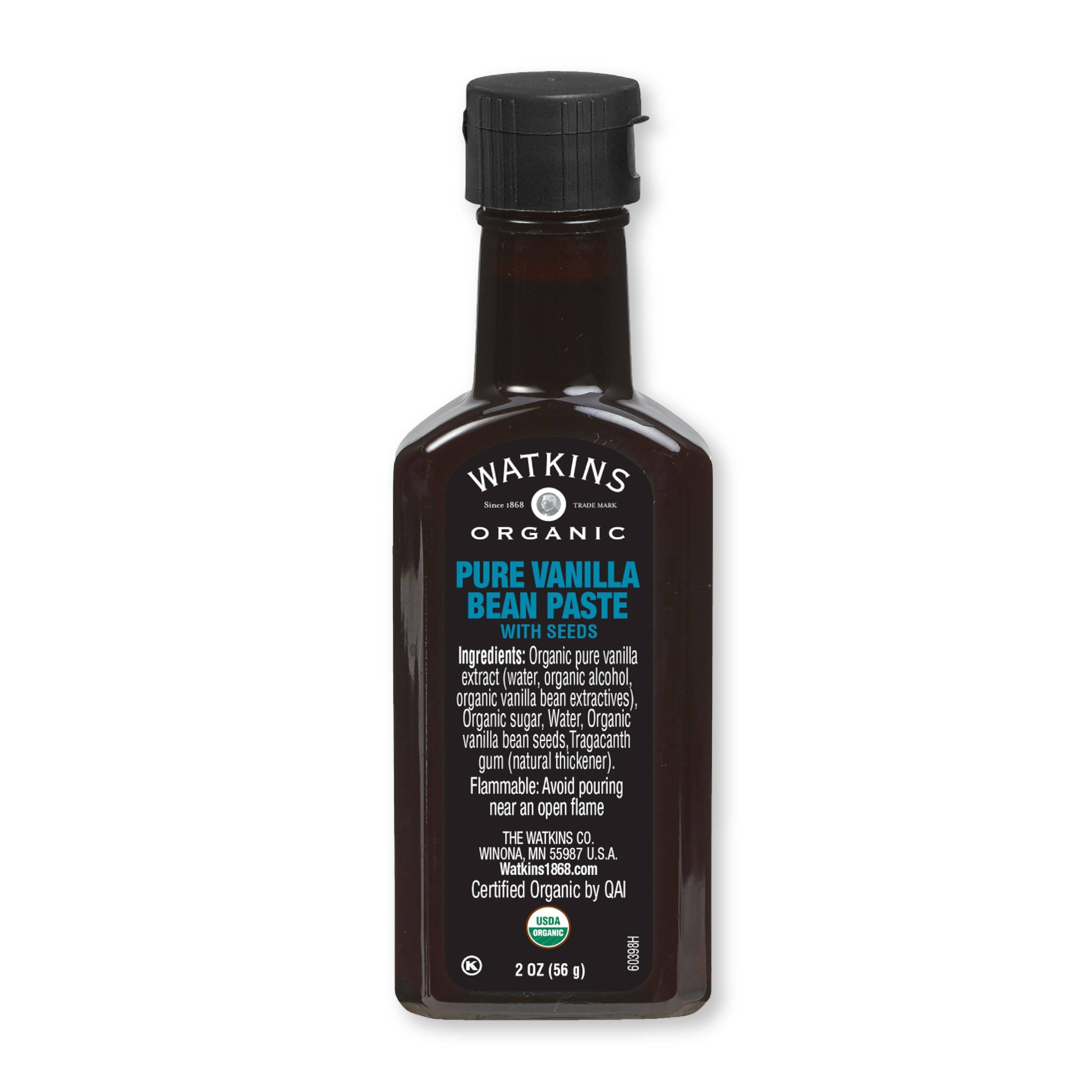
USDA organic, Non-GMO paste with classic vanilla flavor and visible bean flecks — a reliable everyday option.
Why I picked it: I picked it for consistent, organic flavor and trustworthy ingredients from a heritage brand.
Best for: Everyday baking — cookies, cakes, custards, and ice cream.
Affordable, great value for daily use.
Pros
- USDA certified organic
- Non-GMO verified
- No artificial flavors or colors
- Visible vanilla flecks
- Reliable family-owned brand
Cons
- Smaller jar for frequent bakers
- Not as concentrated as premium pastes
My take
I reach for Watkins when I want an organic paste that behaves predictably. The texture mixes easily into batters and creams, and those tiny vanilla flecks look beautiful in custards and frozen treats.
Flavor-wise it gives me the rich, straightforward vanilla I expect from a long-standing brand. It doesn’t overwhelm other flavors, which makes it ideal for everyday recipes where balance matters.
Because it’s USDA certified organic and Non-GMO verified, I feel good using it in family baking. For daily use and consistent results, this is my go-to.
2. Madagascar Bourbon Vanilla Paste (4 oz) – Best for Small-Batch Gourmet
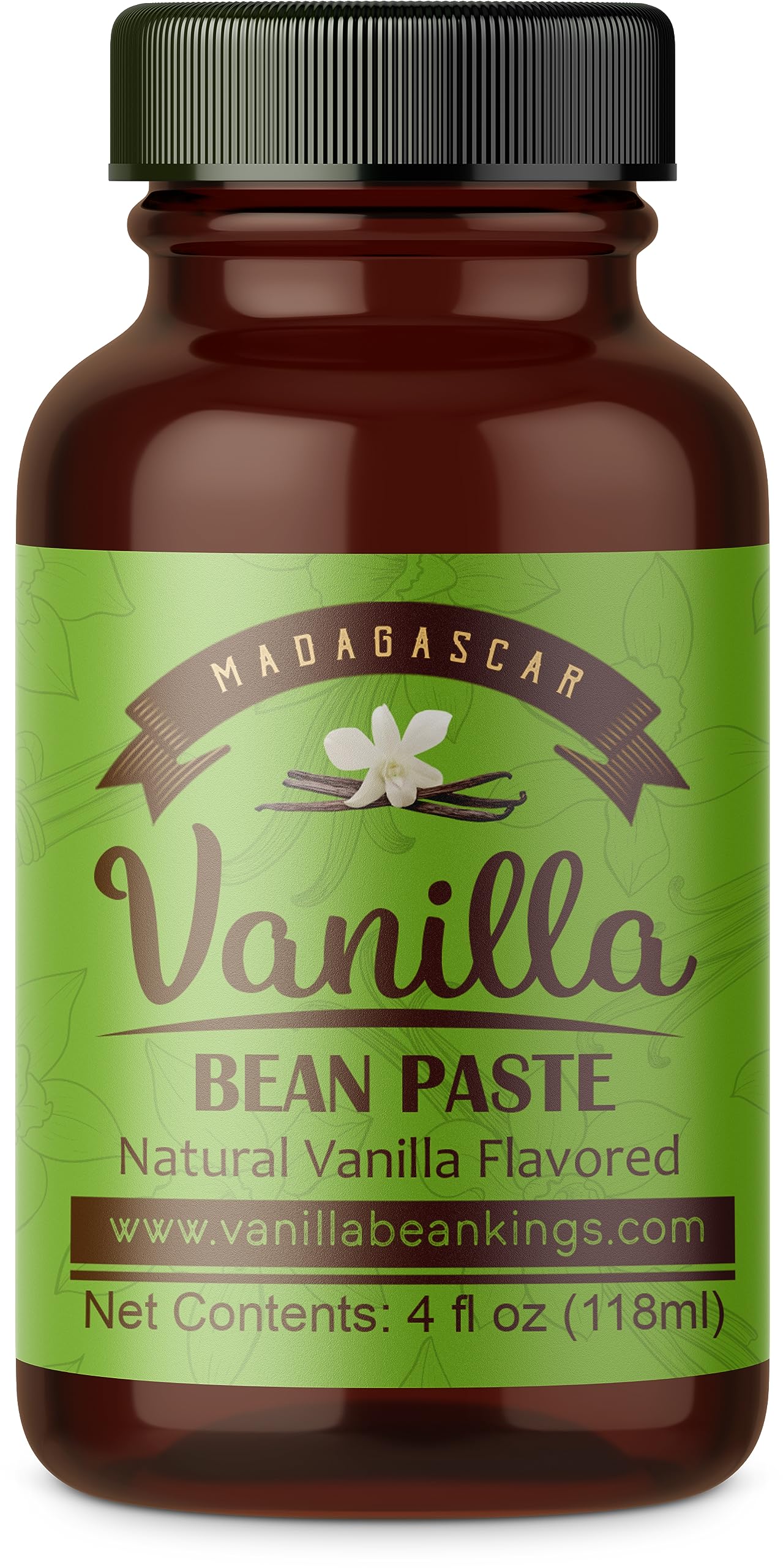
Madagascar bourbon blend with real vanilla seeds and a syrupy consistency that adds both flavor and visual appeal.
Why I picked it: I picked it for its rich Madagascar profile and the real seed specks that elevate plated desserts.
Best for: Gourmet home baking — cupcakes, custards, and whipped cream.
Good midrange option for flavor and presentation.
Pros
- Real vanilla seeds
- Deep Madagascar bourbon flavor
- Syrupy, easy-to-mix texture
- Adds visual appeal to recipes
Cons
- Jar size may be small for heavy users
- Thicker texture needs thorough stirring
My take
I used this Madagascar bourbon paste in cupcakes, whipped cream, and gelato. A little goes a long way; the flavor is noticeably deeper than plain extract and the specks make desserts look professional.
The consistency is similar to maple syrup, so it blends smoothly into batters and creams but benefits from a quick stir before measuring. I liked swapping a teaspoon for a vanilla bean when a recipe called for the pod.
For small-batch gourmet projects where presentation counts, this jar delivers both the taste and the appearance I want on the plate.
3. Madagascar Bourbon Vanilla Paste (32 oz) – Best for Bulk Use
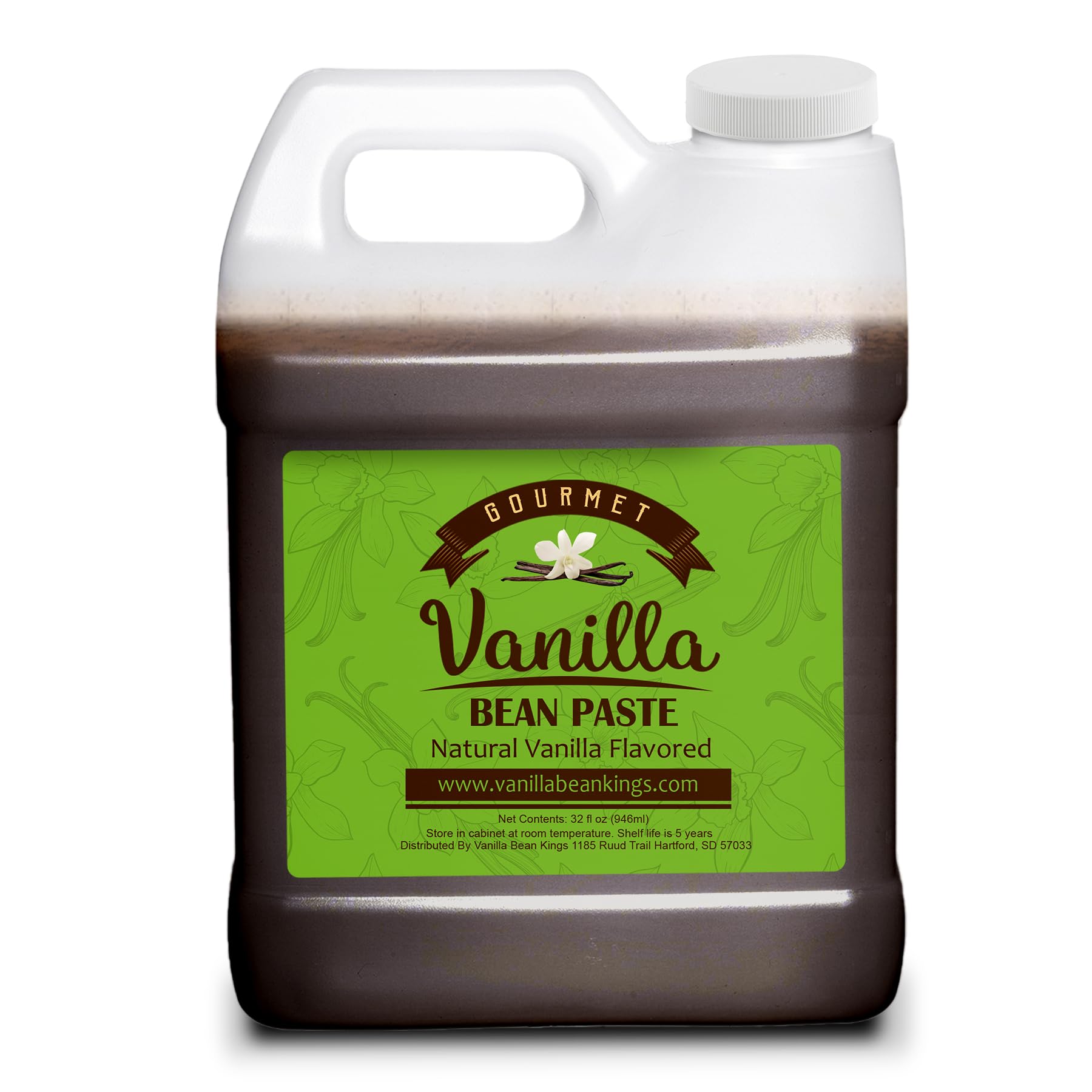
The same Madagascar bourbon paste in a large economy jar — ideal when you use vanilla frequently.
Why I picked it: I picked the large jar for high-volume baking and consistent flavor at scale.
Best for: Commercial kitchens, frequent home bakers, and recipe developers.
Bulk option that reduces cost per use for heavy users.
Pros
- Generous quantity for frequent use
- Same rich Madagascar flavor
- Real vanilla seeds throughout
- Economical for high-volume baking
Cons
- Large jar may be excessive for occasional bakers
- Requires careful storage once opened
My take
When I needed a supply that wouldn’t run out mid-project, the 32 oz jar was a game changer. It’s the same maple-syrup consistency and robust Madagascar flavor as the smaller jar, but scaled for volume.
I used it across multiple batches of cookies and custard; the conversion guidance (teaspoon equals a portion of a bean) made it easy to substitute for pods without fuss.
If you bake often or make large quantities of ice cream or custard, this size keeps flavor consistent across batches and saves me time reordering.
4. Nielsen-Massey Pure Vanilla Bean Paste – Best Chef’s Choice
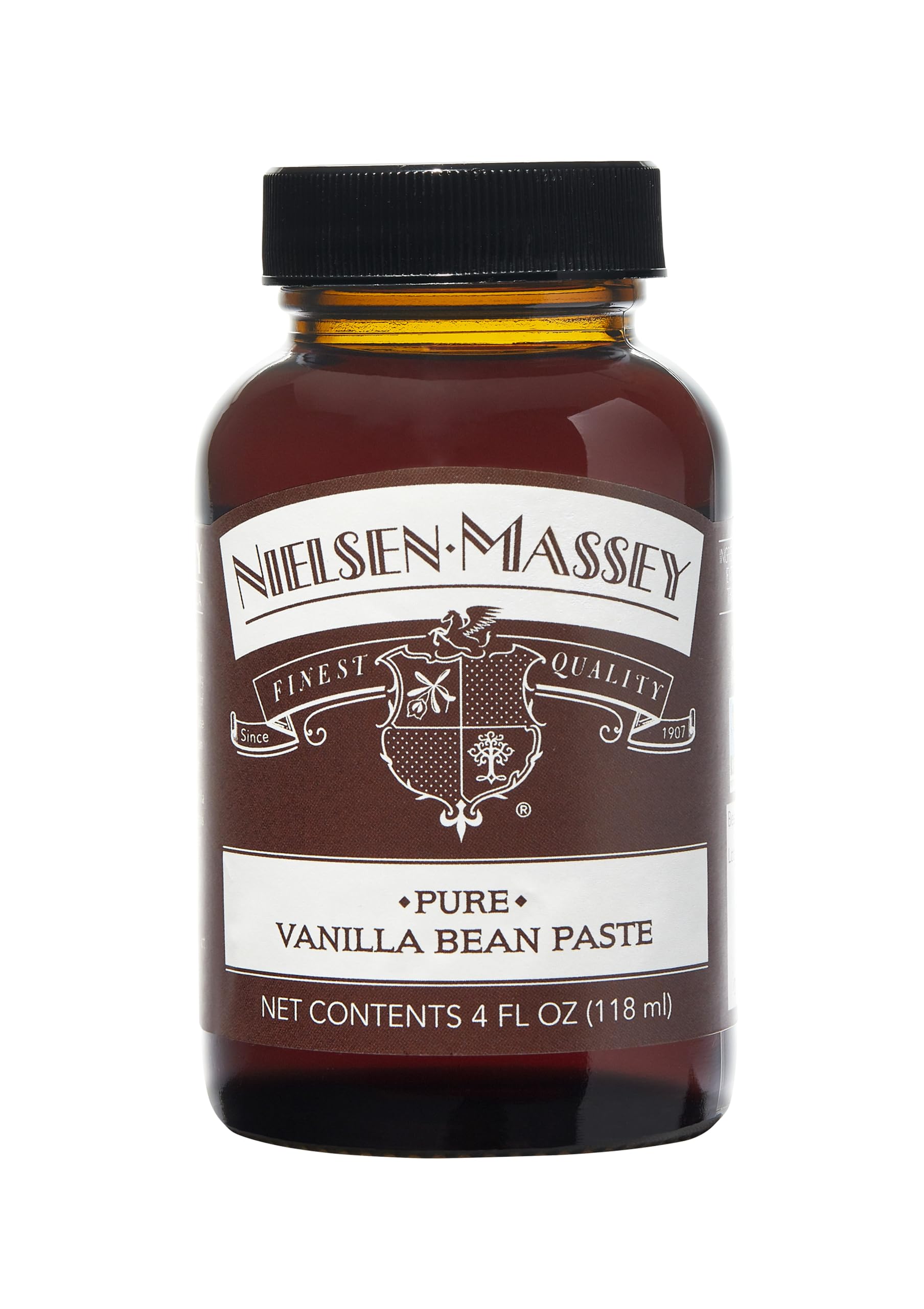
Small-batch, cold-processed paste made from hand-selected beans for a true-to-bean profile and intense aroma.
Why I picked it: I picked it for its small-batch processing and complex, true-to-bean flavor.
Best for: Bakers who want the most authentic, chef-grade vanilla flavor.
Premium culinary-grade option.
Pros
- True-to-bean flavor
- Small-batch cold-processed
- Visible vanilla bean flecks
- Used in professional kitchens
Cons
- Premium option for specialty use
- More concentrated than basic pastes
My take
I call this my go-to when I want maximum vanilla clarity. The aroma hits immediately and the flavor layers in a way that I don’t get with plain extract.
Because it’s cold processed and uses hand-selected beans, the paste carries complex notes that elevate delicate desserts like crème brûlée and buttercream. I simply swap it in 1:1 for extract and enjoy the difference.
That concentration means I use slightly less in everyday recipes, but for special occasions or professional baking it’s worth the extra investment for the lift it gives a dish.
5. Heilala Premium Vanilla Bean Paste – Best Ethically Sourced
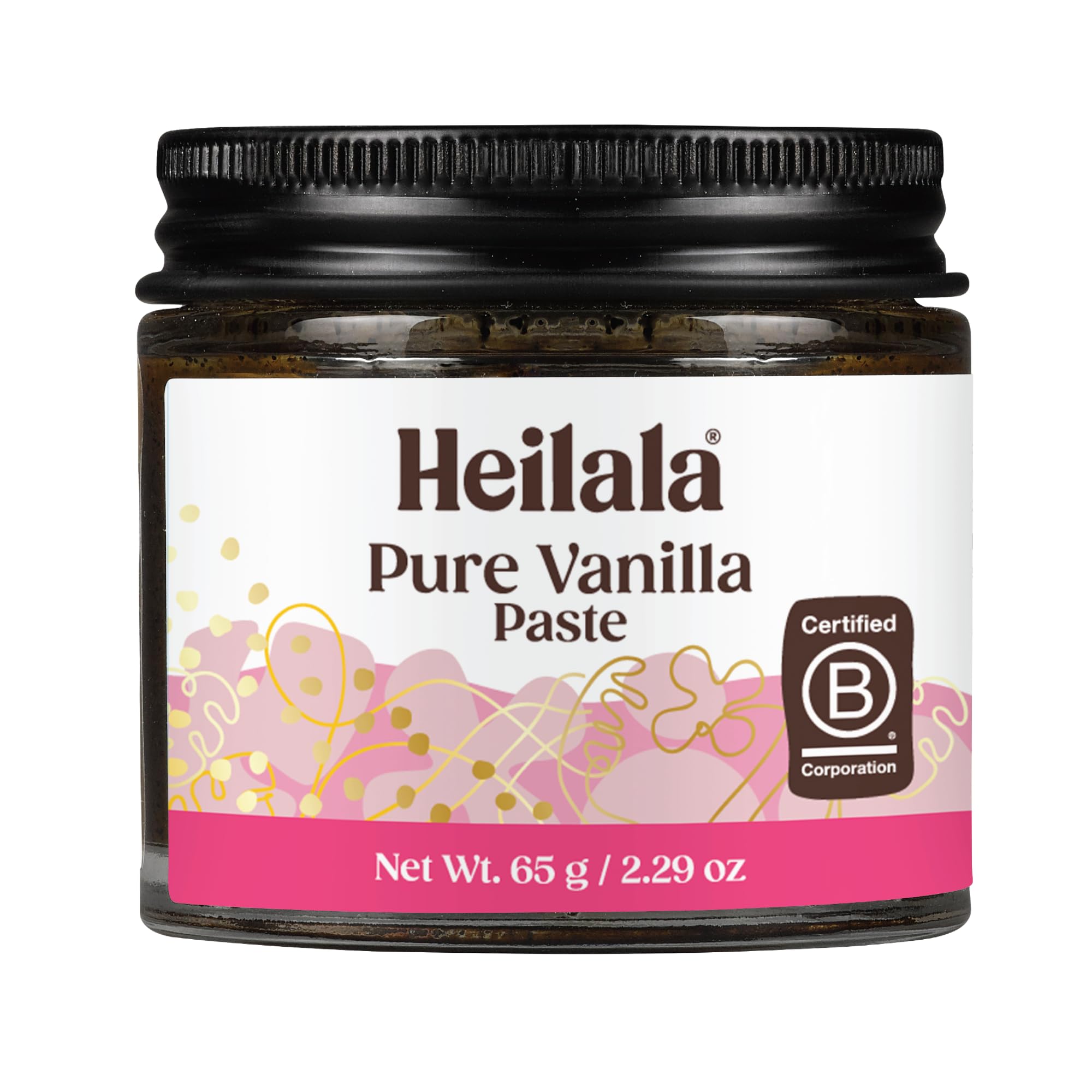
Chef-preferred, B Corp-certified paste with low sugar and strong flavor, made through an ethical supply chain.
Why I picked it: I picked it because it combines potent vanilla flavor with transparent, ethical sourcing.
Best for: Bakers who value sustainability and a potent vanilla profile.
Premium, but stretches further due to potency.
Pros
- Certified B Corp, ethically sourced
- Low sugar content (keeps vanilla flavor forward)
- Thick, glossy texture with seeds
- Potent flavor — needs less per recipe
Cons
- Premium choice
- Potency means you must measure carefully
My take
I’ve gone through multiple jars of Heilala and consistently notice how little I need to get strong vanilla impact. It blends easily into frostings, ice creams, and yogurt without adding unnecessary sweetness.
The brand’s commitment to reinvesting in farming communities and being a certified B Corp matters to me, and I appreciate that the paste uses sugar only as a suspending agent so the vanilla shines.
Because the paste is potent, I found I could stretch a jar by using smaller measures, which helps offset the premium positioning when I use it in vanilla-forward recipes.
How I Choose Vanilla Bean Paste
Paste vs. extract vs. whole beans
I use paste when I want visible vanilla specks and a fuller, more immediate vanilla flavor than extract offers. Paste is the easiest swap when a recipe calls for a vanilla bean pod but you want less fuss.
I reserve whole beans for recipes where I steep the pod (like custards) and use extract when I want a neutral, background vanilla or a budget-friendly option.
- Use paste for visual appeal and punchy flavor.
- Swap 1 tsp paste for one vanilla pod in many recipes (check the label).
- Use extract when cost or a subtle vanilla presence matters.
Choosing by recipe
I pick a paste with visible seeds for ice cream, custard, and buttercream where the flecks add to the presentation.
For high-volume baking or gelato, I prefer a bulk jar to keep flavor consistent across batches.
- Custards and ice cream: choose a paste with real seeds.
- Buttercream and frostings: a small amount of premium paste lifts the flavor.
- Frequent bakers: consider bulk sizes to avoid repeated purchases.
What to look for on the label
I check for real vanilla seeds, origin (Madagascar/Bourbon for a classic profile), and any processing claims like cold-process or small-batch, which often indicate a more nuanced flavor.
If ethical sourcing matters, I look for certifications or brand notes about reinvestment in farming communities.
- Real vanilla seeds = visual and flavor quality.
- Small-batch/cold-process often = more complex aroma.
- Certifications (organic, B Corp) signal ingredient and sourcing priorities.
Storage and shelf life
I store paste in a cool, dark place and keep the lid tight. Refrigeration isn’t necessary for most pastes, but it can help extend freshness for very large jars.
If you buy a bulk jar, I recommend dividing it into smaller containers after opening so the majority of your supply isn’t exposed to air repeatedly.
- Keep paste away from heat and sunlight.
- Divide bulk jars into smaller jars for longer shelf life.
- Stir before use if the paste settles.
Frequently Asked Questions
How do I substitute vanilla bean paste for a vanilla bean pod or extract?
I typically use one teaspoon of paste to replace one vanilla bean pod in most recipes. For extract, many pastes work as a 1:1 substitute, but check the product notes because concentration can vary.
Does vanilla bean paste contain real vanilla seeds?
In my experience, the pastes that advertise real seeds truly have visible flecks. Those specks not only look attractive but also contribute to a more authentic vanilla flavor.
How should I store opened vanilla bean paste?
I store opened jars in a cool, dark pantry with the lid tightly closed. For large jars, I portion the paste into smaller containers to limit air exposure and keep the majority fresh longer.
Final Take
I tested pastes across everyday baking, gourmet plating, and high-volume production. If you want an organic every-day option, Watkins is a reliable pick; for chef-grade impact, Nielsen-Massey delivers the most authentic vanilla character.
Choose a small gourmet jar if you prize visual specks and presentation, a bulk jar if you bake a lot, or an ethically sourced paste if sustainability matters to you. Any of these jars will give you a noticeable upgrade over plain extract when used thoughtfully.
