
I tested five essential vegetable gardening books so you can choose the guide that fits your space, soil, and season. From step-by-step vegetable profiles to square-foot layouts and year-round growing tactics, I explain,
I keep a rotating stack of gardening books by my potting bench and reach for different titles depending on the project at hand. For this roundup I spent time with five popular guides so I could recommend the right book for your goals—whether you want straightforward plant-by-plant instructions, a compact grid method for small spaces, an encouraging starter manual, a deep-dive organic system, or practical season-extension strategies.
Below I explain where each book shines, what I found less useful, and how I used the techniques and charts in my own gardens. I focus on practical takeaways so you can pick the book that will actually change the way you grow food.
If you want quick, vegetable-specific instructions, I turn to the Old Farmer's Almanac handbook. For tight spaces or poor native soil I use the Square Foot Gardening method. If you need encouragement and step-by-step basics, Jessica Sowards’ book gets me going. For an all-in-one organic manual I rely on The Vegetable Gardener’s Bible. And if I’m pushing to grow through cold snaps, The Year-Round Vegetable Gardener gives me the season-extension plans I use.
1. The Old Farmer’s Almanac Vegetable Gardener’s Handbook – Best Starter Reference
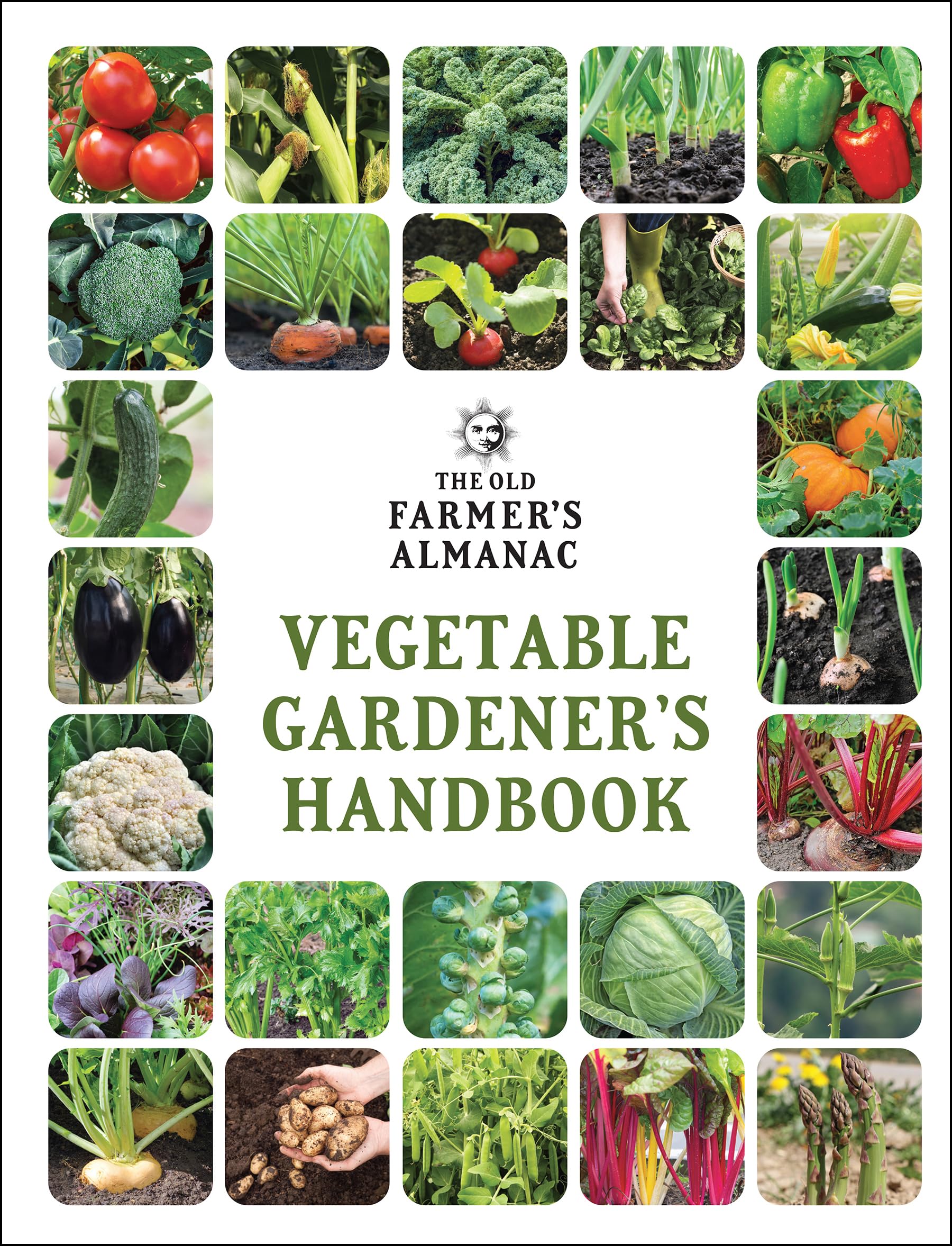
A compact, practical guide that walks through 32 vegetables with clear steps, photos, and reference charts I consult when planning what to plant and when to harvest.
Why I picked it: Concise vegetable-by-vegetable instructions and useful charts for seasonal planning.
Best for: Beginners and gardeners who want quick, hands-on guidance for popular crops.
Affordable, accessible handbook-style reference.
Pros
- Clear step-by-step instructions
- Full-color photos for plant ID
- Handy quick-reference charts
- Approachable, anecdotal tone
Cons
- Not exhaustive for every crop
- Notes section takes a lot of space
My take
I bought this as a gift and liked it so much I ordered another copy for myself. The book is very approachable: each vegetable gets a focused profile with what to plant, when to harvest, and common care tips. I reached for it when I needed a quick refresher on timing and harvest cues.
The color photos and charts make planning a simple weekend task. I also appreciated the personal stories sprinkled through the pages; they make the advice feel like it came from a gardening neighbor instead of a textbook.
If you want deep scientific background or exhaustive crop lists, this isn’t a specialist reference. I sometimes wish the planting schedules and technical notes were expanded, but for everyday planning and straightforward how-to, this book is one of my go-to quick references.
2. All New Square Foot Gardening (3rd Ed.) – Best for Small Spaces
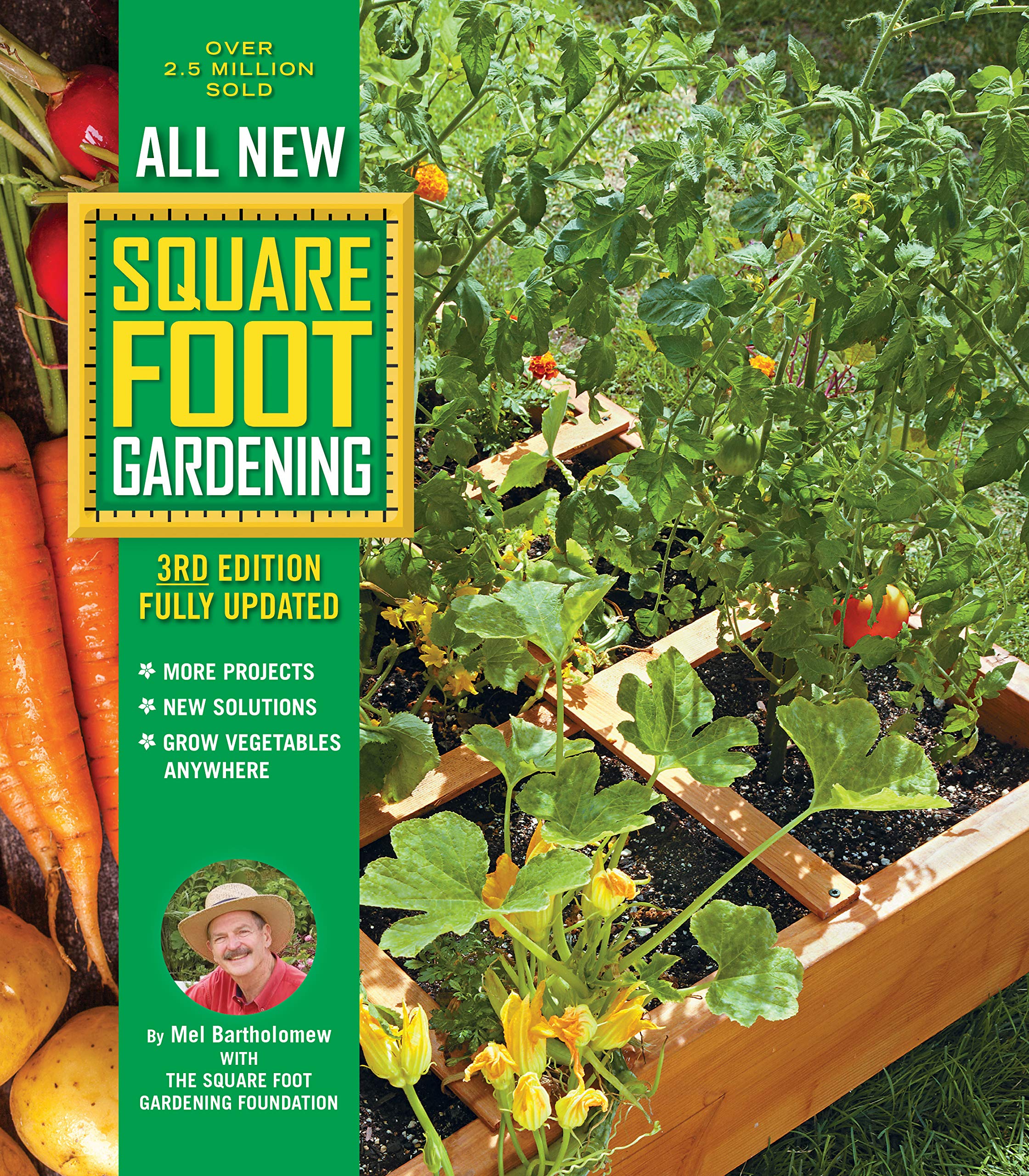
A practical, grid-based method for getting big yields from small beds using a specific soil mix and raised beds—excellent when native soil is poor or space is limited.
Why I picked it: Proven grid system and soil mix that make raised beds productive in bad soil.
Best for: Gardeners with limited space or heavy clay, and anyone who wants organized beds.
Moderately priced guide focused on efficient garden layouts.
Pros
- Maximizes small spaces
- Practical raised-bed plans
- Soil mix recipe included
- Easy-to-follow grid system
Cons
- Some spacing suggestions feel optimistic
- Watering needs can vary by climate
My take
I’ve used the square-foot approach in garden beds where the native soil was mostly clay, and the recommended soil mix transformed those beds. After switching to the mix and the grid, I found my watering routine simplified and my beds much easier to manage.
The grid system looked odd at first, but it really keeps planting organized and reduces seed waste. I also appreciated the step-by-step building options for raised beds and the clear illustrations that helped me replicate the layout in my own yard.
I did find a few of the spacing and watering claims optimistic—my climate dries the soil faster than the book’s examples, and I reduced some plant counts per square to avoid crowding. Still, the method saved me time on weeding and made succession planting straightforward.
3. The First-Time Gardener: Growing Vegetables – Best for New Gardeners
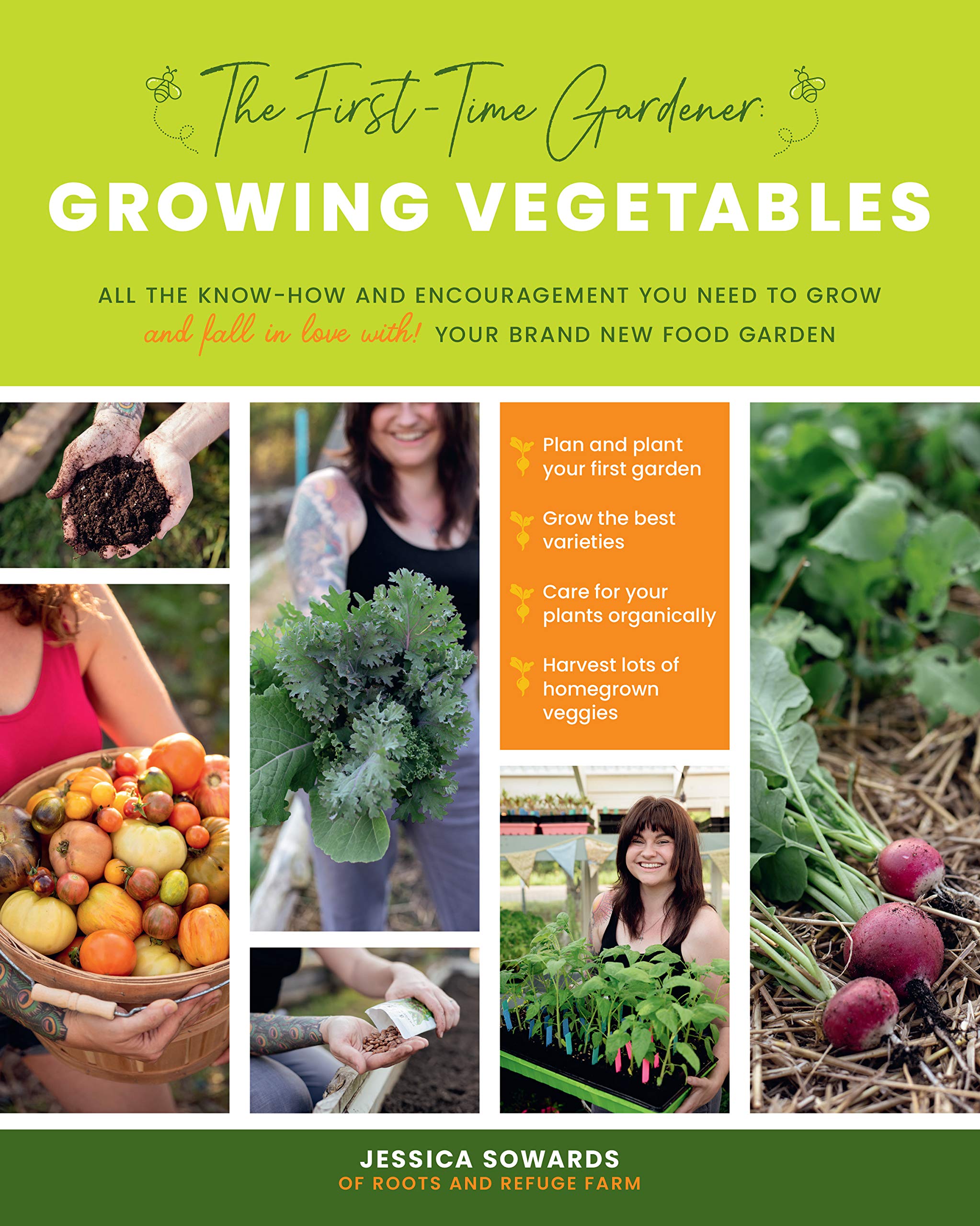
An encouraging, practical starter book that covers soil, pests, light, and basic troubleshooting with a friendly voice that helped me move from nervous beginner to confident planter.
Why I picked it: A warm, actionable guide that teaches basics and problem-solving in plain language.
Best for: Absolute beginners who want gentle instruction and hands-on fixes.
Budget-friendly and beginner-focused.
Pros
- Encouraging, friendly tone
- Lots of practical fixes
- Great photos and examples
- Promotes a garden journal
Cons
- May be basic for experienced gardeners
- Focused on fundamentals over advanced tactics
My take
Jessica’s voice is the reason I picked this up — it’s the kind of book I actually finished and used. She lays out affordable, low-tech solutions and multiple ways to handle pests, disease, and soil problems. I started a few raised beds after following her advice and felt confident trying more ambitious crops.
The book pushed me to keep a garden journal, which I still use to track varieties, planting dates, and outcomes. Those notes have become one of the most useful parts of my gardening practice.
If you’ve already completed a season or two and need advanced charts or deep diagnostics, this book might feel light. For getting started and learning through hands-on trial and error, it’s one of the most motivating titles I own.
4. The Vegetable Gardener’s Bible (2nd Ed.) – Best Comprehensive Manual
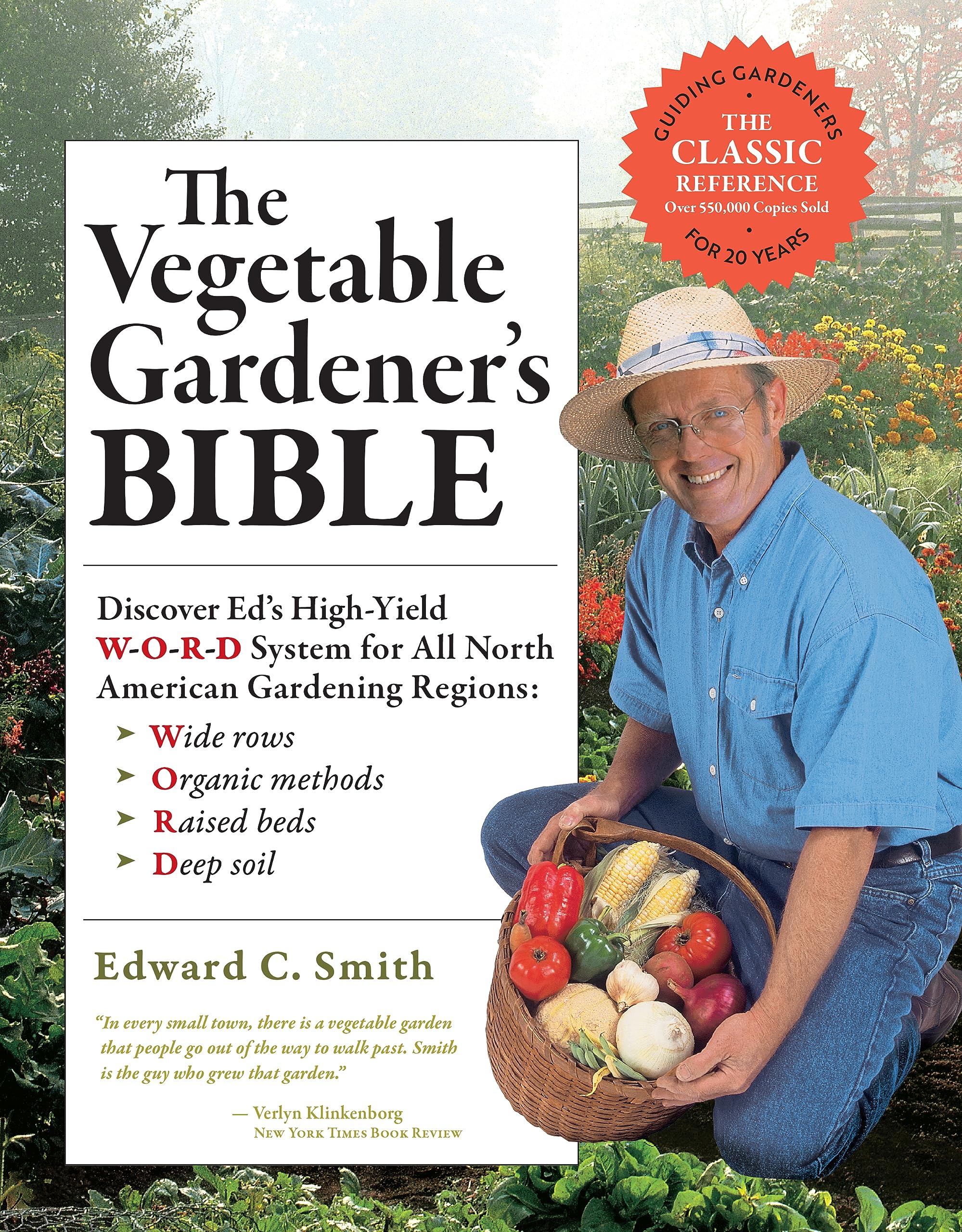
A thorough, encyclopedia-style manual that covers soil building, organic methods, diagnostics, and plant-specific directions—my reference for building high-yield, sustainable beds.
Why I picked it: Deep, practical coverage of organic systems and high-yield techniques.
Best for: Gardeners who want one detailed manual covering soil, compost, and pest management.
Great value for an all-in-one manual.
Pros
- Extensive, practical guidance
- Organic-focused methods
- Plant-by-plant directions
- Strong illustrations and photos
Cons
- Diagnostic info can be scattered
- Some treatment tips need cross-checking
My take
I reach for this book when I want a deep dive into soil building, composting, or establishing raised beds. The W-O-R-D system and the emphasis on deep, rich soil helped me redesign several beds for better yields.
The writing breaks complex topics into manageable sections, and the plant-specific directions have guided many of my vegetable choices and planting dates. I used the compost and organic pest-management sections to move a large portion of my garden to more sustainable practices.
A minor frustration: diagnostic information and treatments are sometimes spread across chapters, so I bookmark the pages I use most. I also compare a few suggested treatments with other sources before applying them, but that’s true of any broad manual.
5. The Year-Round Vegetable Gardener – Best for Year-Round Growing
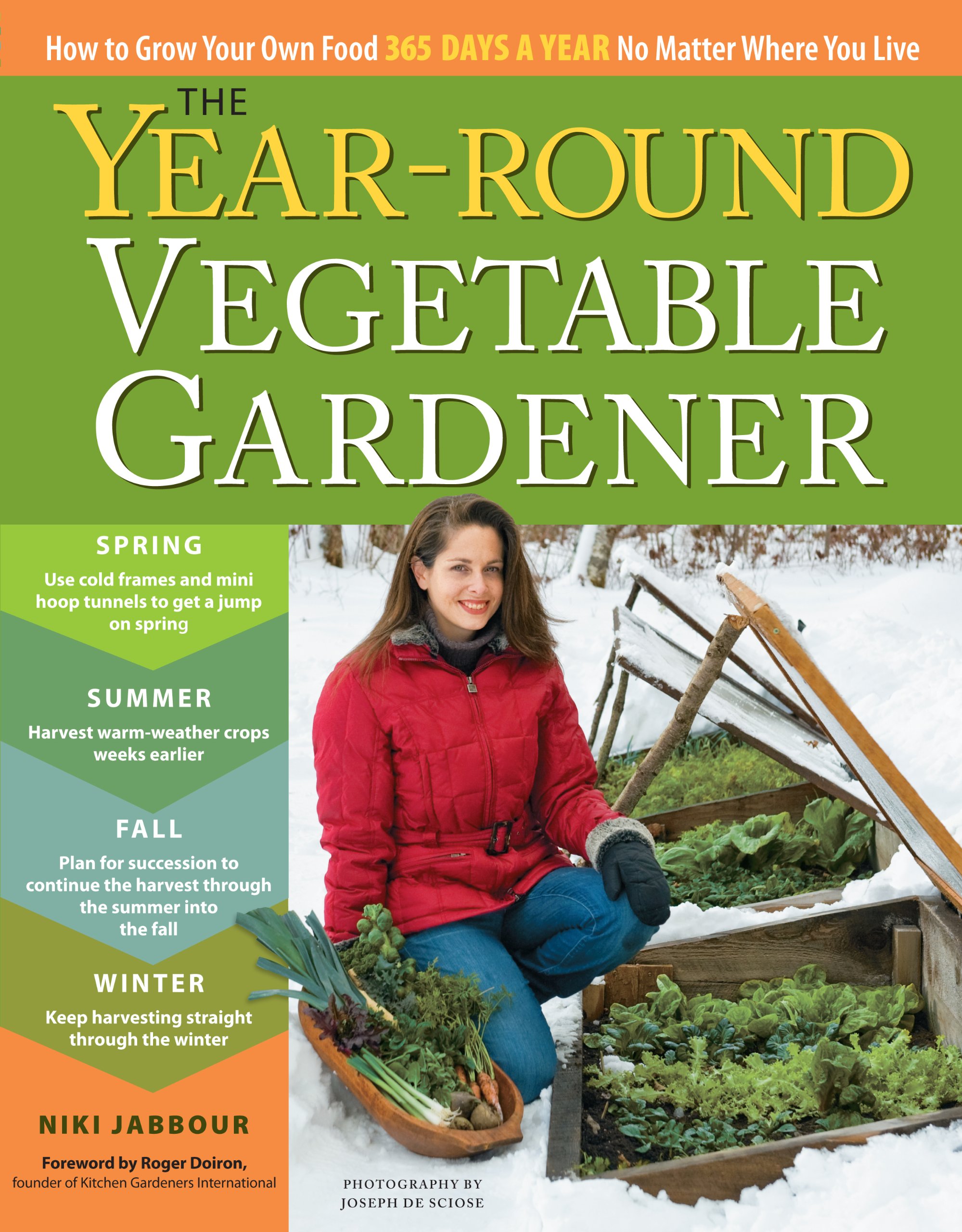
Hands-on strategies for extending seasons with cold frames, mini tunnels, row covers, and succession charts that I use to harvest well beyond the usual growing months.
Why I picked it: Practical season-extension builds and planting calendars that actually extend harvests.
Best for: Gardeners who want to grow through cold periods and maximize production year-round.
Valuable for gardeners pursuing season extension strategies.
Pros
- Clear season-extension plans
- Detailed planting calendars
- Succession and interplanting charts
- Concrete cold-frame and tunnel instructions
Cons
- Requires local adaptation for some climates
- A lot of seasonal detail to digest
My take
I use this book whenever I’m planning fall and winter planting. The step-by-step instructions for mini hoop tunnels, row covers, and inexpensive cold frames were easy to build and immediately effective at protecting transplants.
The planting calendars and the interplanting/succession charts are the most-used pages in my copy; they helped me stagger plantings so I always have something ready to harvest. That practical focus is what makes this book stand out for me.
Expect to adapt some timelines and materials to your local microclimate. I learned to tweak the recommended covers and planting dates for my area, but the underlying methods translated well and extended my harvest by weeks to months.
How I Choose a Vegetable Gardening Book
Match the book to your immediate goal
I pick different books depending on what I need: quick plant care, space-saving layouts, encouragement to get started, a comprehensive manual, or season-extension plans.
Decide whether you need a reference (plant specifics), a method (layout and soil), or hands-on builds (hoops, cold frames) before choosing.
- Quick reference: choose a vegetable-by-vegetable handbook.
- Small-space/poor soil: pick a square-foot or raised-bed method book.
- Getting started: look for an encouraging, step-by-step primer.
- Year-round goals: prioritize books with season-extension instructions.
Consider your soil and space
I assess my native soil first. If I have clay or rocky ground, I prefer guides that include raised-bed construction and soil mix recipes.
If space is tight, I prioritize books that teach dense, organized planting rather than row crops.
- Poor native soil? Look for soil-build and raised-bed plans.
- Limited space? Look for grid systems and vertical options.
Look for practical features I use
I value clear photos, planting calendars, and charts for succession or companion planting. Those elements turn advice into actions I can execute on a weekend.
Step-by-step build plans for cold frames or beds are a must if you want to extend the season.
- Photos and diagrams that show construction and timing.
- Planting calendars and succession charts I can annotate.
- Soil recipes and composting protocols I can follow.
Decide how deep you want to go
I choose a concise handbook if I want fast answers and a comprehensive manual when I’m redesigning beds or switching to organic practices.
A beginner-friendly book will hold your hand; an encyclopedic manual will demand more reading but becomes a long-term reference.
- Beginner: choose approachable, encouraging writing.
- Advanced: pick comprehensive manuals with plant-by-plant detail.
Frequently Asked Questions
Which book should I buy if I’ve never grown vegetables before?
I usually recommend starting with an encouraging, beginner-focused book that offers troubleshooting and simple projects. It builds momentum and teaches core skills before you move to denser manuals.
Can I use Square Foot Gardening in heavy clay soil?
Yes—when I used the recommended soil mix in raised beds over clay, my beds became productive. The soil recipe and raised-bed plans are the key parts to follow.
Do these books show how to extend the growing season?
The Year-Round Vegetable Gardener lays out inexpensive cold frames, mini tunnels, and row-cover methods I’ve used to harvest longer. Other books include seasonal tips, but that title focuses on extension.
Which title is best as a long-term reference?
I reach for The Vegetable Gardener's Bible when I need a single, comprehensive manual for soil building, organic pest control, and plant-specific guidance.
Final Take
My top pick depends on what I want to accomplish: quick vegetable care, efficient use of small spaces, a friendly starter plan, a comprehensive organic system, or tools to garden year-round.
Pick the book that matches your project, then do one small build or planting project from it this weekend. That’s how I turn ideas from books into real harvests.
