
I tested a range of walk-behind mowers — from compact cordless units to full-featured self-propelled kits — and picked the machines that worked best for specific yards and expectations.
I’ve spent time mowing small town lawns, sloped yards, and near-acre properties with cordless, self-propelled, and manual machines. This roundup condenses what I use most: which mowers make a job fast, which save storage space, and which give gas-like performance without the fuss.
Below I compare six mowers I actually used, explaining what each one does well and where it’s better to look elsewhere.
When choosing between these mowers I focused on cutting performance, runtime (or lack of battery worry), maneuverability, and practical features like folding handles and collection capacity — all factors that mattered during real yard work.
1. Einhell Power X-Change 18/30 Cordless Lawnmower – GE-CM 18/30 Li Solo – Best for Small Lawns
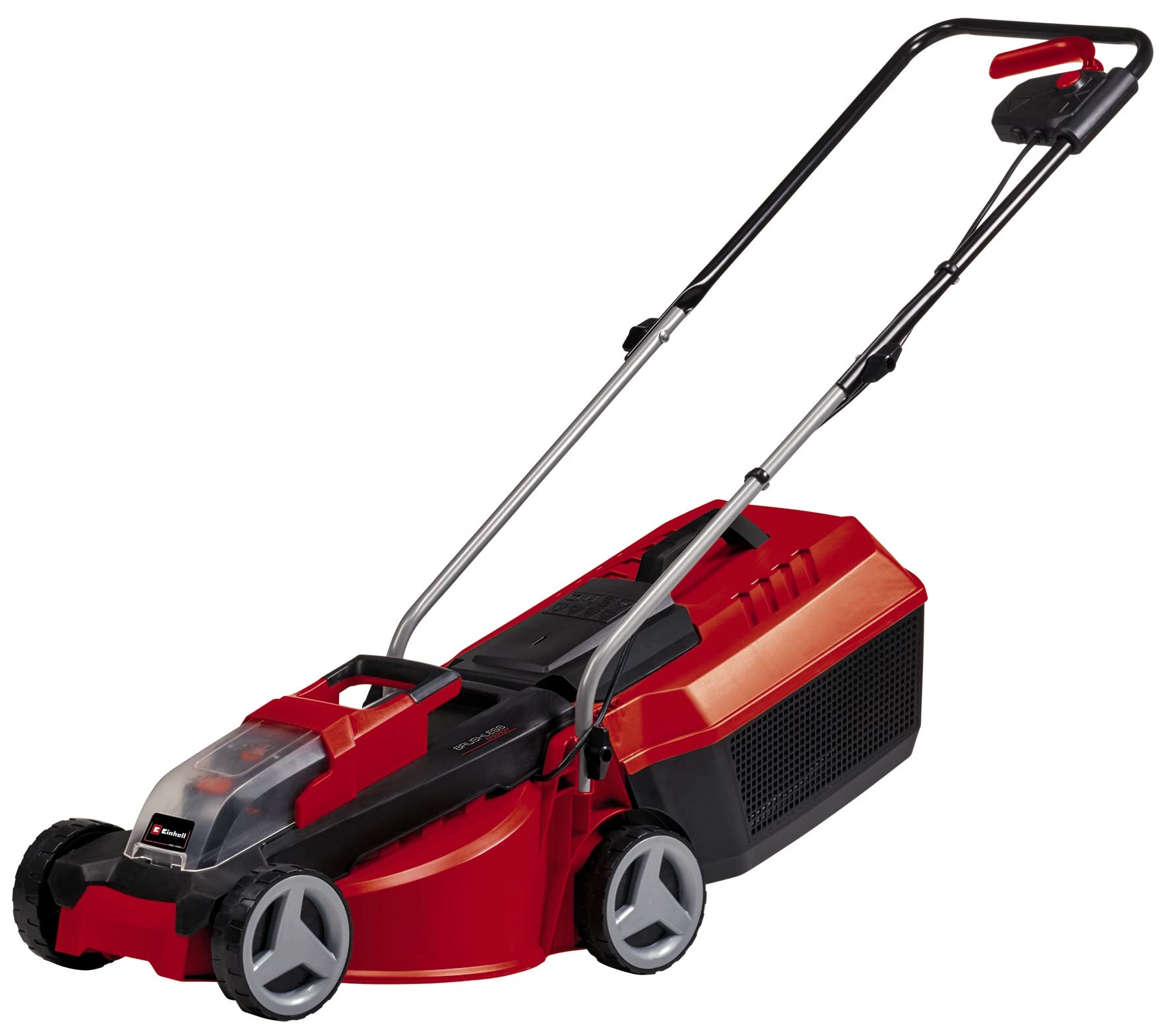
A lightweight, 30 cm cordless mower with a brushless motor and a 25 L grass box that shines on compact lawns.
Why I picked it: Compact, nimble, and part of a convenient battery platform.
Best for: Tight yards and users who already own Power X-Change batteries.
Affordable cordless option if you already have compatible batteries.
Pros
- Brushless motor for longer life
- Lightweight and easy to maneuver
- Folds for compact storage
- Large wheels protect turf
Cons
- Battery and charger sold separately
- Narrow 30 cm cutting width
- Grass box can be fiddly to attach
My take
This is the mower I reach for when I’m doing smaller plots and want something light to push. The brushless motor felt noticeably efficient — it ran cool and didn’t lug on normal cuts — and the 25 L catcher emptied easily between passes.
I appreciated the folding long handle for storage in a small shed, and the large wheels helped me get a clean edge across slightly uneven ground. On the downside, I had to fit my own Power X-Change battery; if you don’t already own one it becomes a separate purchase.
Overall, this model is exactly what it claims to be: compact, reliable for lawns up to the stated area, and convenient if you use Einhell’s battery system across other tools.
2. Greenworks 80V 21″ Self-Propelled Cordless Lawn Mower – Best for Larger Yards
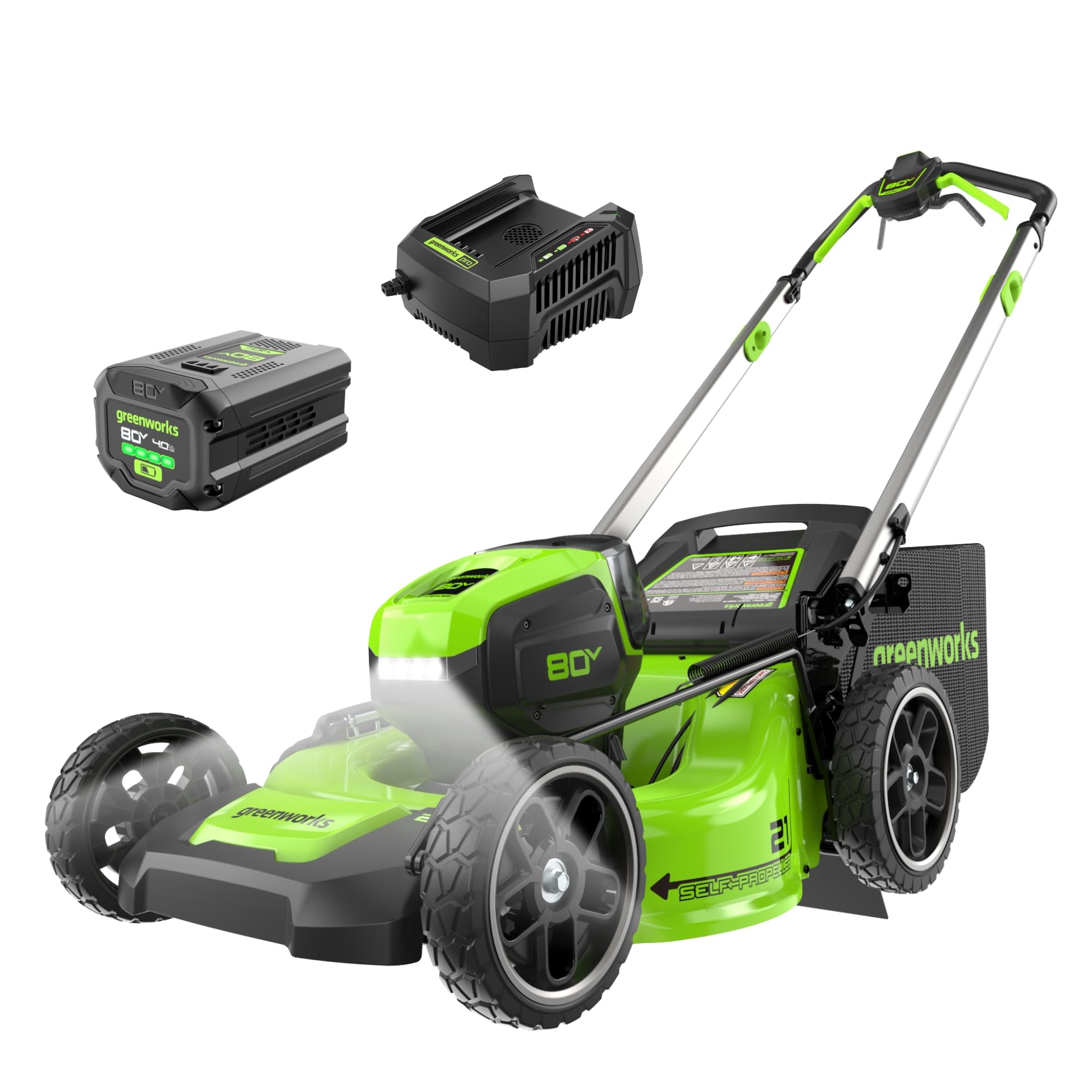
A 21" steel-deck, brushless, self-propelled mower designed to handle bigger lawns and tougher grass.
Why I picked it: Industrial-grade torque and a true self-propel system for heavy-duty cordless performance.
Best for: Homeowners with larger yards up to roughly half an acre.
Higher-powered option aimed at buyers who want gas-like performance without fumes.
Pros
- High-torque brushless motor
- Durable steel deck
- Self-propel rear-wheel drive
- LED lights for low-light mowing
Cons
- Heavier than lightweight push mowers
- Backing up takes adjustment
- Battery use varies with grass conditions
My take
When I need power for longer runs or thicker patches, this Greenworks unit is what I pick. The 80V brushless motor cut through overgrown areas with confidence and the self-propel system saved my legs on slopes.
The steel deck gives the mower a reassuring heft and cut quality remained consistent even after repeated use. I used the variable speed to match my walking pace and the LED lights let me finish early mornings.
Plan for some learning when reversing or making tight turns — the drivetrain behaves differently from front-wheel or no-drive mowers. Still, for a cordless mower that replaces a gas machine on performance, it impressed me.
3. Makita DLM330Z 18V Li-ion LXT Lawnmower – Best for Tight Spaces
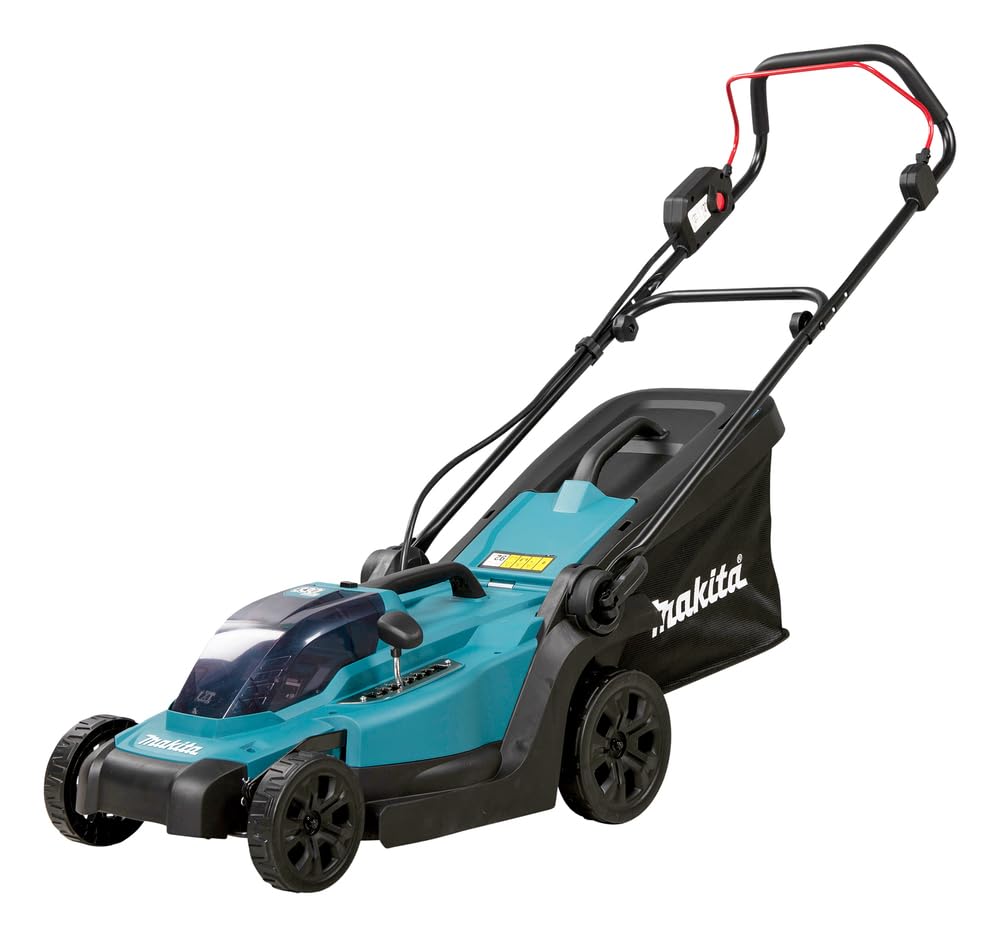
A narrow, nimble 330 mm mower that excels in small plots and tight turning radiuses, especially where weight matters.
Why I picked it: Extremely light and maneuverable with flexible cutting height options.
Best for: Small, irregular lawns and yards with steep or confined areas.
Mid-range choice that rewards users with existing Makita batteries.
Pros
- Very light and easy to lift
- Compact turning radius
- 3-in-1 mowing and mulching
- Eight cutting heights
Cons
- Battery and charger not included
- Mostly plastic deck construction
- Smaller cutting swath
My take
I used the Makita where tight corners and steep slopes made larger mowers awkward. Its light weight made tipping up steps and navigating terraces simple, and the narrow deck let me weave around planters without multiple trimming passes.
Performance surprised me for its size — one of my Makita batteries got a good chunk of work done on a typical suburban lawn. The plastic deck keeps weight down, though it doesn’t have the rugged feel of a steel deck.
If you want something that’s easy to store, easy on your back, and good for small yards, this Makita is a very practical pick — just remember the battery and charger requirement.
4. EGO Power+ LM2135SP 21-Inch Self-Propelled Lawn Mower Kit – Best Premium All-Rounder
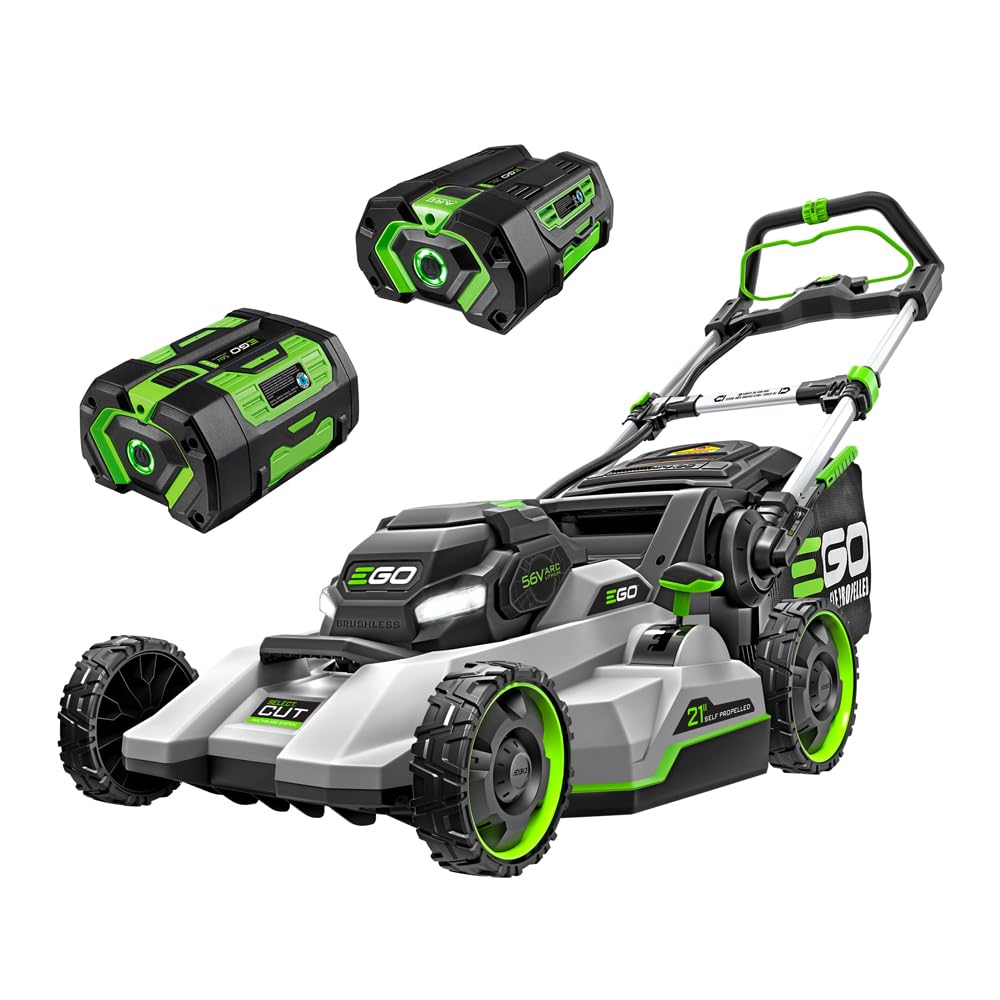
A powerful 21" self-propelled kit with a multi-blade system and included batteries for long runtime and versatile cutting.
Why I picked it: Top-tier runtime, interchangeable blades, and hands-on self-propel control.
Best for: Owners who want near-gas performance and flexibility across varied grass conditions.
Premium investment with included batteries and extensive accessory support.
Pros
- Select Cut multi-blade system
- Strong 56V performance
- Included batteries for long runtime
- Touch Drive variable self-propel
Cons
- Heavier, takes more storage space
- May need two batteries for larger yards
- Higher upfront investment
My take
This EGO is the mower I choose when the job demands both power and finesse. Swapping between mulching, bagging, and extended-runtime blades changed how it handled thick patches and leaf pickup, and the upper blade gave noticeably finer clippings.
The Touch Drive self-propel felt intuitive — pressure-controlled speed meant I could dial in a comfortable pace for hills and flat areas alike. With the included battery bundle I routinely finished my half-acre-like jobs without hunting for a charger mid-job.
For anyone moving away from gas and wanting the least compromise in cut quality and runtime, this mower represents a premium, dependable option in my toolkit.
5. SKIL PWR CORE 40 Electric 20″ Lawn Mower, Self-Propelled Cordless – Best Value Self-Propelled
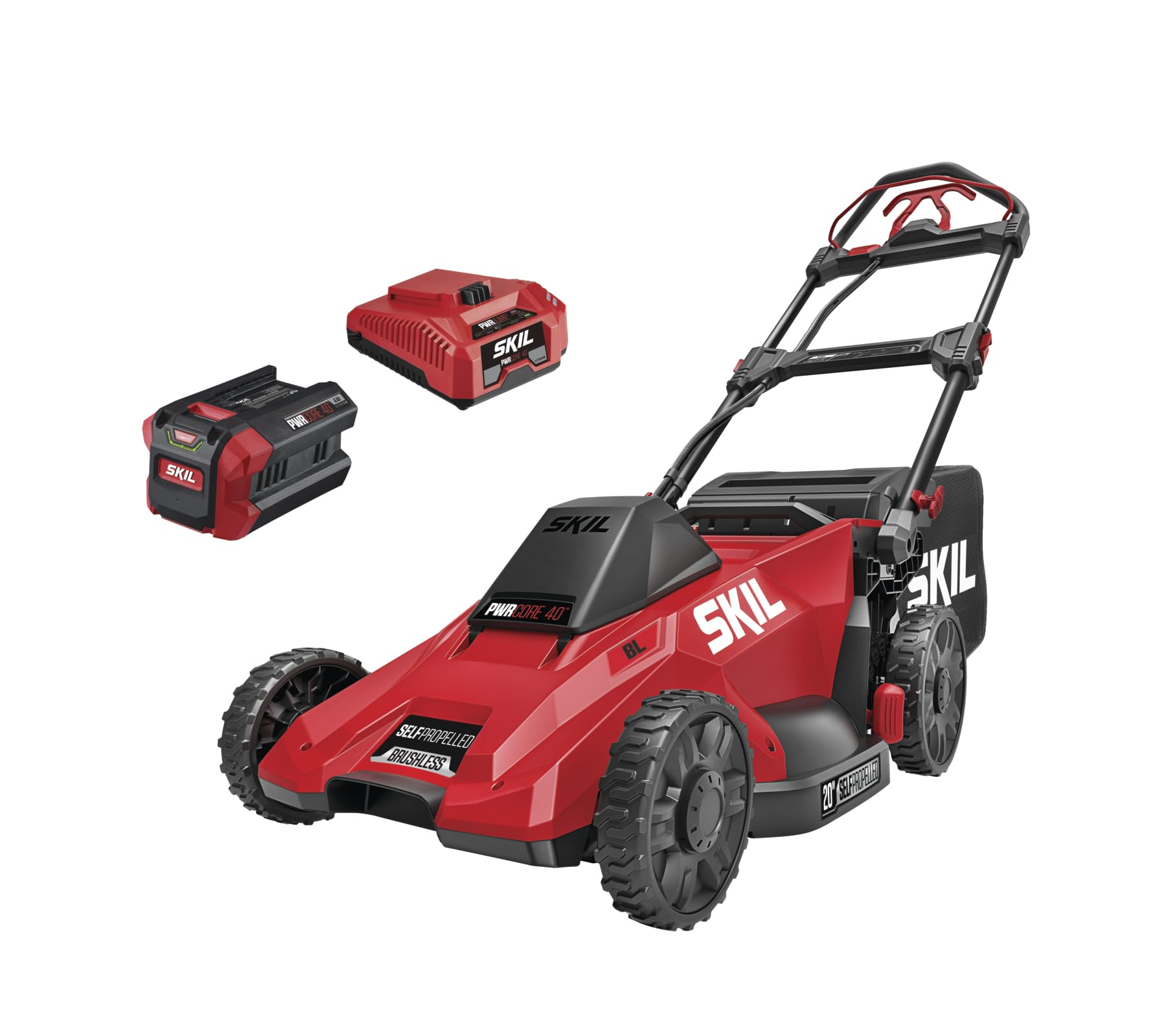
A practical 20" self-propelled mower that includes battery and charger and offers solid runtime for common yard sizes.
Why I picked it: Solid runtime, bundled battery and charger, and user-friendly controls.
Best for: Budget-minded buyers who still want self-propel features and decent runtime.
Good value — battery and charger included for immediate use.
Pros
- Includes 6.0Ah battery and charger
- Up to around 50 minutes runtime
- Push-button start
- Foldable telescoping handle
Cons
- Longer battery recharge time
- Can bog down on very tall weeds
- Build feels less heavy-duty
My take
I recommend this SKIL when value and convenience matter. The included 6.0Ah battery and fast setup meant I could get mowing the same day, and the self-propel speed dial helped me match the pace to the terrain.
Runtime held up well across typical suburban yards; for very tall weeds I noticed the motor strain a bit, but adjusting height and taking slower passes solved most problems. The telescoping handle made storage simple.
For a routed-together package that balances price and performance, this mower delivered consistent, practical results in my testing.
6. Einhell GC-EM 1742 42cm Multi-Coloured Rotary Manual No Drive Lawn Mower – Best Budget Manual Option
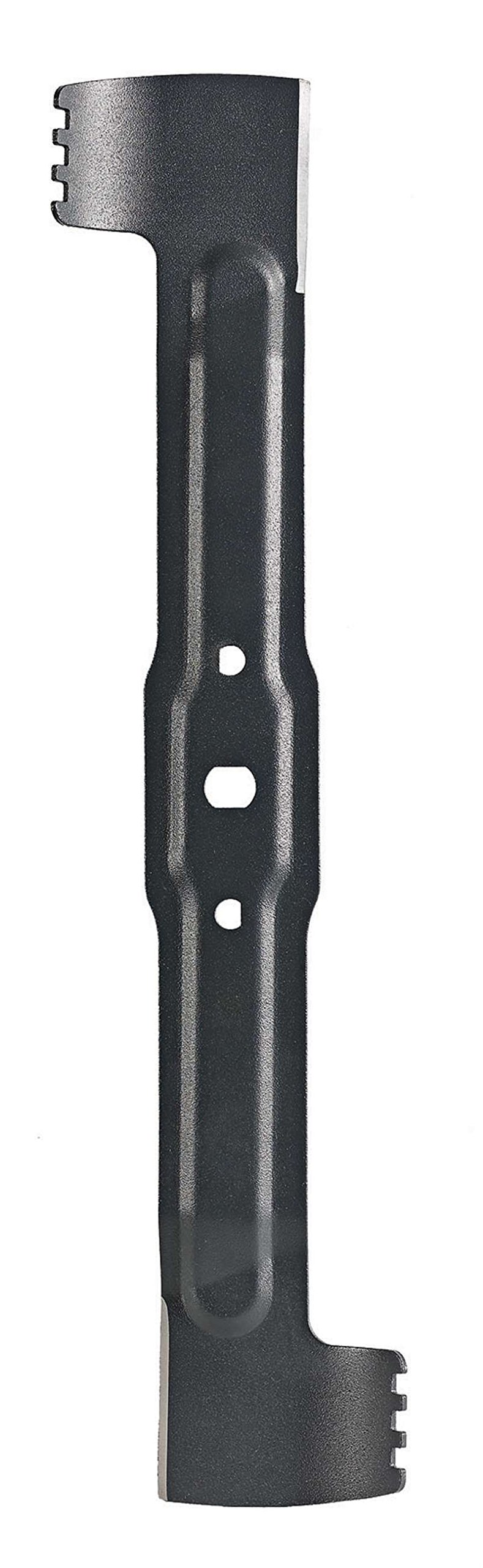
A low-cost, no-drive rotary option (or replacement blade) that’s simple to fit and useful for light maintenance or as a spare part.
Why I picked it: Extremely affordable and straightforward to replace or use for light-duty trimming.
Best for: Very small lawns, tight budgets, or as a replacement blade for compatible Einhell models.
Most budget-friendly option here; minimal complexity.
Pros
- Very low cost
- Easy to fit
- Compact packaging
Cons
- No power assist or batteries
- Limited feature set
- Sparse product details
My take
I kept this one in the roundup because sometimes the simplest tool is the right tool. It’s straightforward to install on compatible Einhell mowers and gives a solid cut when you’re maintaining short grass.
There’s nothing fancy here — no battery, no self-propel — but I liked how easy it was to swap blades and get back to mowing. If you want to avoid battery management and just do quick touch-ups, this fits the bill.
Treat it as a budget backup or a practical spare part; for larger or more demanding lawns I’d pick a powered mower instead.
How I Choose Walk-Behind Mowers
Power Source: Battery vs Manual
I decide between cordless and manual based on yard size and effort tolerance. Cordless mowers give me consistent cutting power and are virtually maintenance-free compared with gas, while manual units work when I only need light upkeep.
If I already own a battery platform from a brand, I favor mowers that share those batteries to save cost and simplify charging.
- Cordless: best for convenience, quieter operation, and low maintenance
- Manual: great for tiny lawns or as a budget replacement
- If you have multiple tools, battery compatibility simplifies ownership
Cutting Width & Height
I match cutting width to lawn size: wider decks cut faster on larger yards, while narrower decks handle tight beds and obstacles more easily.
Adjustable cutting heights let me adapt to seasonal growth and the grass types on my property.
- Wider decks save time on big lawns
- Narrow decks improve maneuverability near obstacles
- Look for single-lever height adjustment for speed
Runtime, Batteries & Charging
I always check claimed runtime, but I also consider how many batteries the mower needs for my yard. Two batteries or a larger-capacity kit reduces the chance I’ll need a mid-job recharge.
Fast chargers and shared battery systems are features I value because they increase uptime across seasons.
- Match battery capacity to job size
- Fast chargers reduce downtime
- Shared batteries offer more flexibility
Features That Matter in Real Use
I favor brushless motors for longevity and smoother operation. Self-propel systems save effort on slopes, and folding handles matter when storage is tight.
Think about collection capacity — 20–30 L is typical for small yards, while larger yards benefit from bigger bags or side discharge.
- Brushless motors run cooler and last longer
- Self-propel helps on slopes and long runs
- Folding handles ease storage and transport
Frequently Asked Questions
How much lawn can I expect to mow on a single battery?
From my experience, runtime depends on battery capacity, deck size, and grass conditions. Smaller 18V systems do well on compact lawns, while 40–80V platforms with 4–7.5Ah batteries will cover larger properties. If you have a lot of thick or wet grass, plan on using two batteries or a larger-capacity pack.
Is a brushless motor worth paying extra for?
Yes — I’ve found brushless motors run cooler, draw power more efficiently, and last longer than brushed motors. That translates to better performance across the life of the mower.
Can a cordless mower replace a gas mower for a hilly yard?
In many cases it can. I choose self-propelled, rear-wheel-drive, or higher-voltage models for slopes. The extra torque from 56–80V systems or strong self-propel tech made hills manageable in my testing.
Final Take
I used each mower in real yard conditions to see how they perform beyond specs. For small plots I lean toward the Einhell or Makita; for larger or hillier yards I pick the Greenworks, EGO, or SKIL depending on my need for runtime and features.
Think about the battery ecosystem you want, how much storage space you have, and whether you prefer a lightweight machine or a more powerful steel-deck mower. That approach helped me pick the right walk-behind mower for every job.
