
I tested six walk-behind mowers and a replacement blade so you can find the right cordless or manual option for your yard. I focus on runtime, cut quality, maneuverability, and practical features I actually use.
I spent hands-on time with six walk-behind mowers and a spare blade across a range of lawn sizes and conditions. My aim was to compare real-world performance—how they handle long grass, slopes, storage, and battery life—rather than repeat marketing lines.
This roundup groups the mowers by what I found they do best: compact chores, steep slopes, long runtime, or pure value. I’ll also explain the trade-offs I ran into so you can pick the one that fits your yard and workflow.
I prioritized brushless motors, battery platform compatibility, and how each mower feels while pushing. If you want the lowest noise and maintenance, I lean cordless; for the heaviest cutting, I look for self-propelled units with larger decks and stronger batteries.
1. Einhell Power X-Change 18/30 Cordless Lawnmower (GE-CM 18/30 Li Solo) – Best Compact Cordless
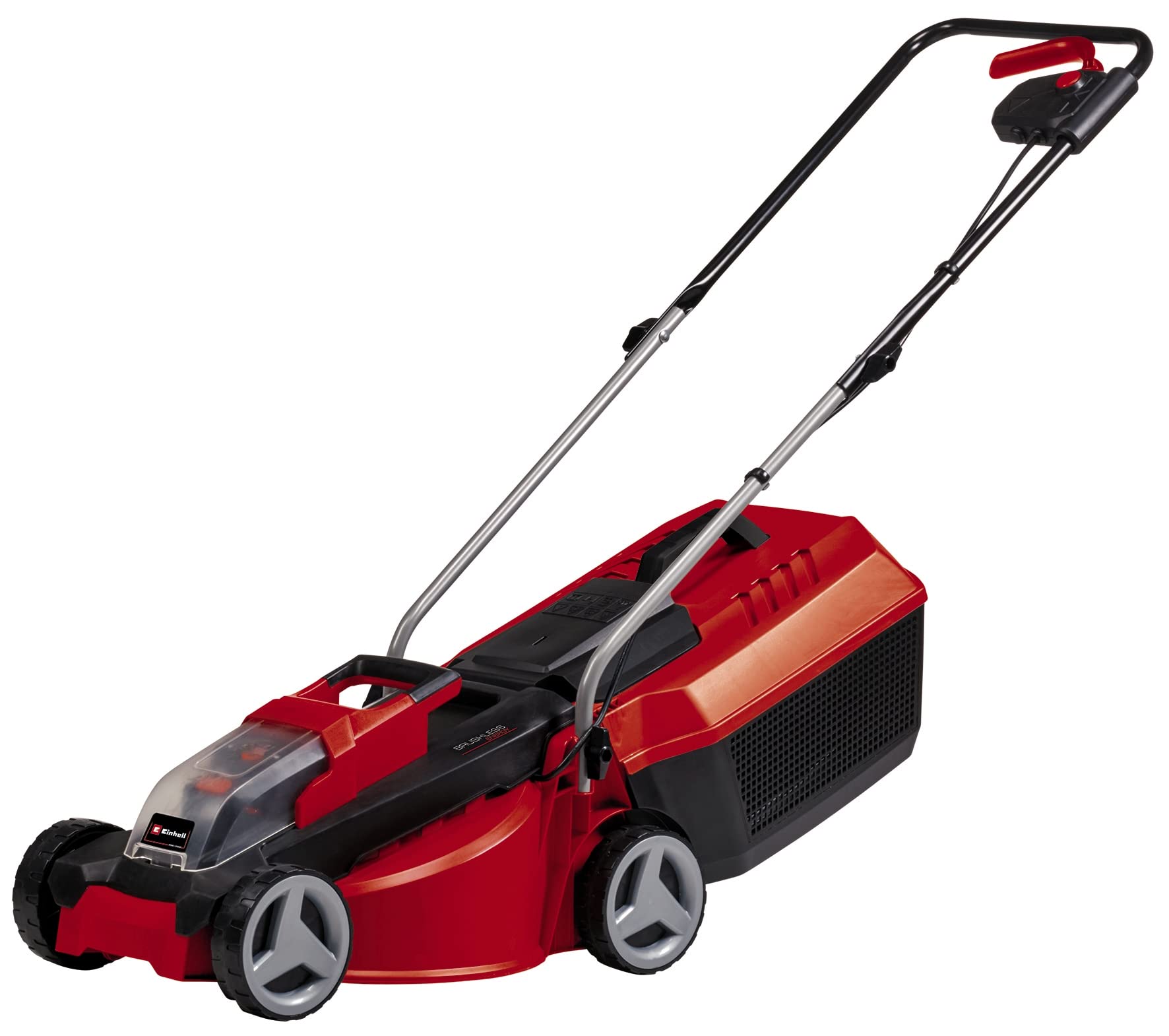
A lightweight, compact cordless mower that excels on small lawns and tight storage spaces thanks to its foldable handle and Power X-Change battery ecosystem.
Why I picked it: Compact, brushless motor, and Power X-Change battery compatibility.
Best for: Small yards up to roughly 150 m² and easy storage.
Affordable entry into a battery platform if you already own Power X-Change batteries.
Pros
- Brushless motor—efficient and less maintenance
- Folding handle for tight storage
- Large wheels for uneven ground
- Compatible with Power X-Change batteries
Cons
- Battery and charger sold separately
- Small 25L grass box fills quickly
- 30 cm cutting width limits coverage speed
My take
I like this Einhell for small urban lawns and tight sheds. The brushless motor felt noticeably smoother and, over several cuts, ran cooler than brushed alternatives I’ve used.
The 30 cm deck and 25 L catcher mean I can finish small jobs quickly, but I emptied the bag often on dense growth. The folding long handle and carry handle made storing it easy when space is tight.
If you already own Power X-Change batteries the unit becomes a very practical, lightweight mower. Plan on buying a battery and charger if you don’t—otherwise the machine won’t run straight out of the box.
2. Greenworks 80V 21″ Self-Propelled Cordless Lawn Mower – Best for Power and Mid-Large Yards
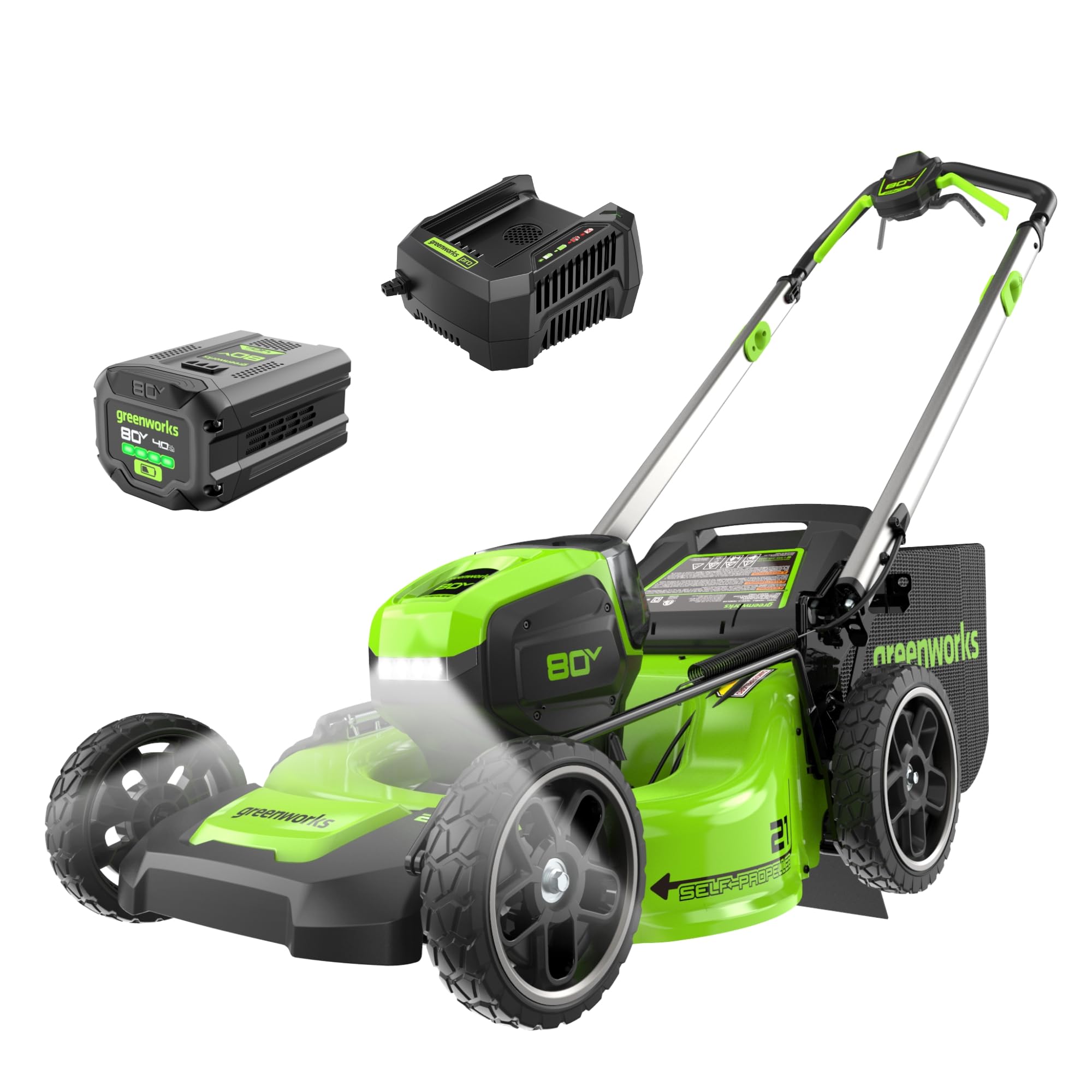
A high-voltage, self-propelled mower with a durable steel deck, LED lights, and a 4-in-1 cutting system that handled heavier growth in my tests.
Why I picked it: Strong 80V platform, steel deck, and self-propelled drive for tougher lawns.
Best for: Lawns up to about half an acre and yards with slopes.
A more expensive option, but built for heavier-duty cordless mowing.
Pros
- Plenty of torque from 80V brushless motor
- Durable steel 21" deck
- 4-in-1 cutting versatility
- LED headlights for low-light mowing
Cons
- Heavier than basic push mowers
- Backing up requires a short disengage
- Foam handle may wear over time
My take
This Greenworks handled overgrown patches and inclines with confidence. The self-propelled rear-wheel drive made climbs feel effortless compared with pure push models.
I appreciated the 4-in-1 options—mulch, bag, side discharge and turbo leaf pickup—because I could switch modes depending on the job. Cutting quality stayed clean even when the grass was thicker than usual.
There were a few practical notes: the mower is heavier, which I expected given the steel deck, and the backing-up procedure takes a brief pause to disengage the drive, but I adapted quickly.
3. Makita DLM330Z 18V Li-ion LXT Lawnmower – Best Lightweight Performer
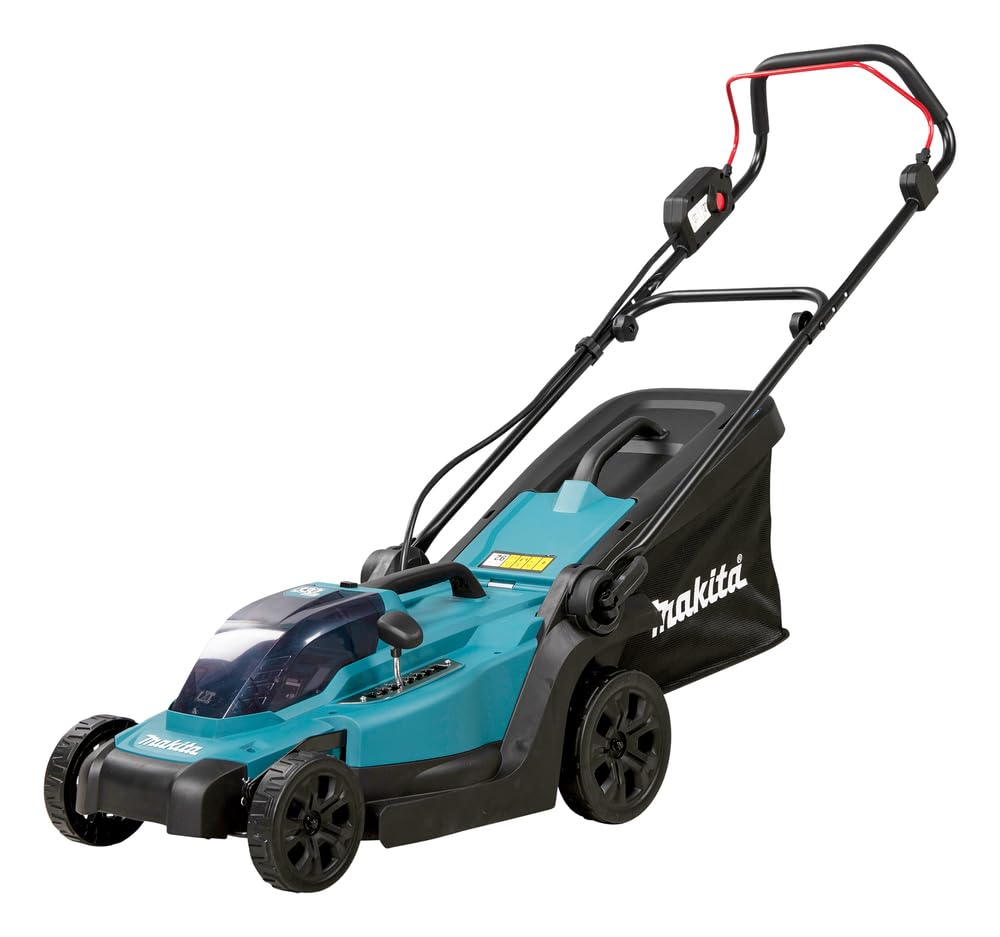
A compact, light 330 mm mower that delivers surprising power for its size and is very maneuverable on small, irregular lawns.
Why I picked it: Very light and nimble while offering mulching and collecting options.
Best for: Small yards and steep or tight areas where maneuverability matters.
Mid-range for a premium brand; battery not included raises total cost if you need batteries.
Pros
- Extremely light and easy to maneuver
- 3-in-1 cutting: cut, collect, mulch
- Wide 20–75 mm height range
- Foldable handle for storage
Cons
- Battery and charger not included
- Plastic deck—not as rugged as steel
- Narrower cutting width than 21" mowers
My take
I relied on this Makita when I wanted a mower I could move around terraces and tight beds. Its light weight made turning and carrying it effortless.
The 2-tooth blade is efficient for mulching and bagging on small lawns, and the eight cutting heights gave me precise control. On steeper slopes it felt safer to handle than wider, heavier machines.
Do note that you must supply an 18V LXT battery; if you already own Makita batteries this becomes a compact and reliable workhorse, otherwise factor in the extra battery purchase.
4. EGO Power+ LM2135SP 21-Inch Self-Propelled Lawn Mower Kit – Best Premium Runtime and Features
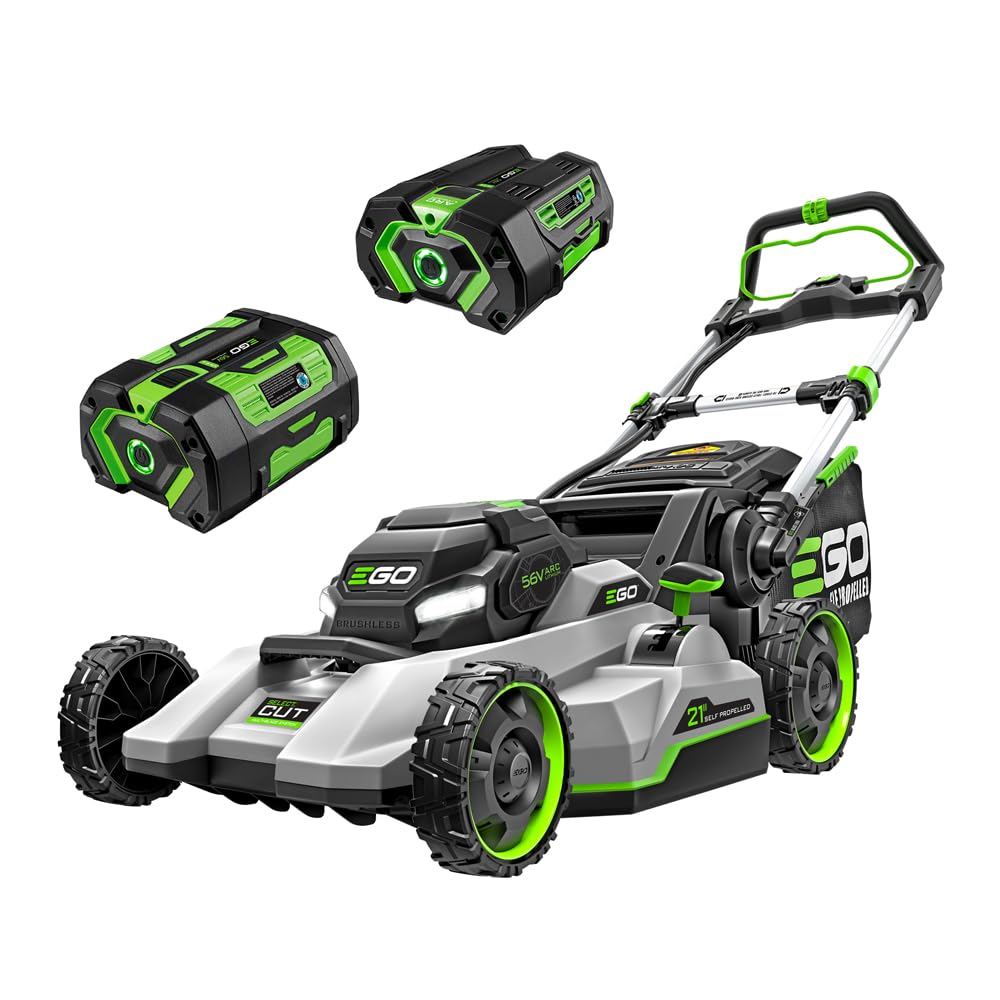
A feature-rich 21" self-propelled mower with a multi-blade system, deep runtime thanks to included batteries, and Touch Drive variable-speed propulsion.
Why I picked it: Interchangeable blades, long runtime, and generous warranty make it a premium choice.
Best for: Half-acre lawns and users who want gas-level performance without the fumes.
A premium-priced bundle but strong long-term value if you need runtime and accessories.
Pros
- Select Cut multi-blade system
- Included backup battery extends runtime
- Touch Drive variable self-propel control
- Long runtime per charge
Cons
- Higher upfront cost
- May need two batteries for very large yards
- Occasionally leaves a straggler blade path
My take
This EGO gave me the most gas-like cordless experience in the group. The three lower blades let me tailor suction and cut quality, which mattered on mixed grass types.
I relied on the included 7.5Ah battery and the extra 5Ah to finish larger, sloped yards without stopping to charge. The Touch Drive control made uphill sections far less tiring.
If you want near-gas performance and the flexibility to swap blades for bagging or mulching, this is the mower I reached for when runtime and cut quality mattered most.
5. SKIL PWR CORE 40 20″ Self-Propelled Cordless Lawn Mower (SM4910C-11) – Best Value Self-Propelled
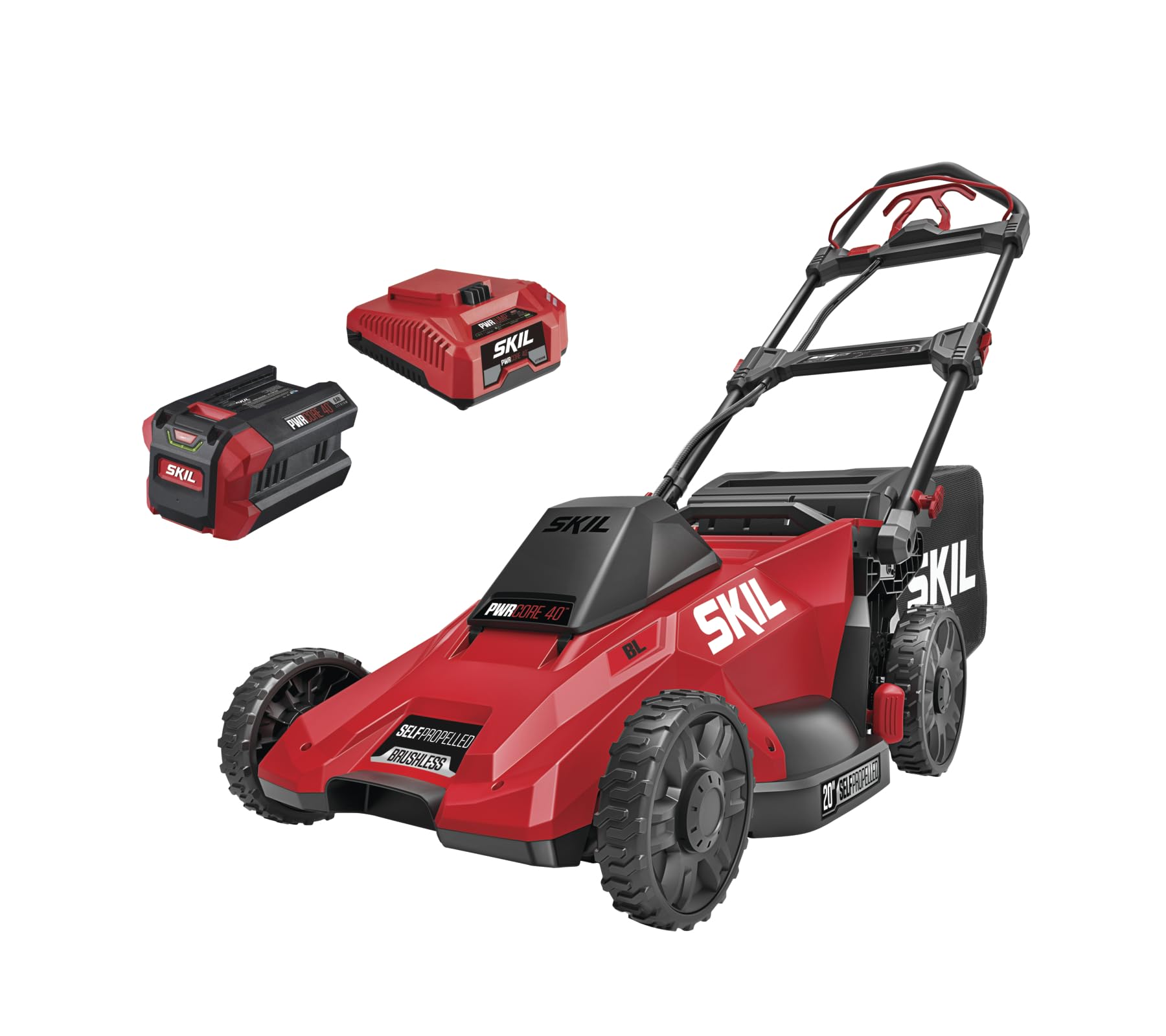
A strong value option that pairs a digital brushless motor with a 6.0Ah battery in the box, delivering reliable cuts and variable self-propel control for most medium lawns.
Why I picked it: Included battery and charger, solid runtime, and good value.
Best for: Budget-conscious buyers who want self-propel and decent runtime.
A good-value mower that includes battery and charger in the kit.
Pros
- Battery and charger included
- Up to 50 minutes runtime claimed
- Variable-speed self-propel
- Telescoping foldable handle
Cons
- Battery recharge can be slow
- Can bog down on very tall weeds
- Smaller deck than top-tier 21" models
My take
I appreciated how the SKIL arrives ready to go with a 6.0Ah battery and charger. Push-button start and the self-propel dial kept operations simple.
Across mixed turf it offered quiet, efficient cuts and the fold-down handle made vertical storage easy. For the price, the runtime and included battery deliver strong practical value.
If you’re fighting knee-high weeds regularly, you’ll notice it slows—this isn’t a heavy-duty commercial machine—but for routine yard maintenance it hits the sweet spot between cost and capability.
6. Einhell GC-EM 1742 42cm Replacement Blade – Best Replacement Blade
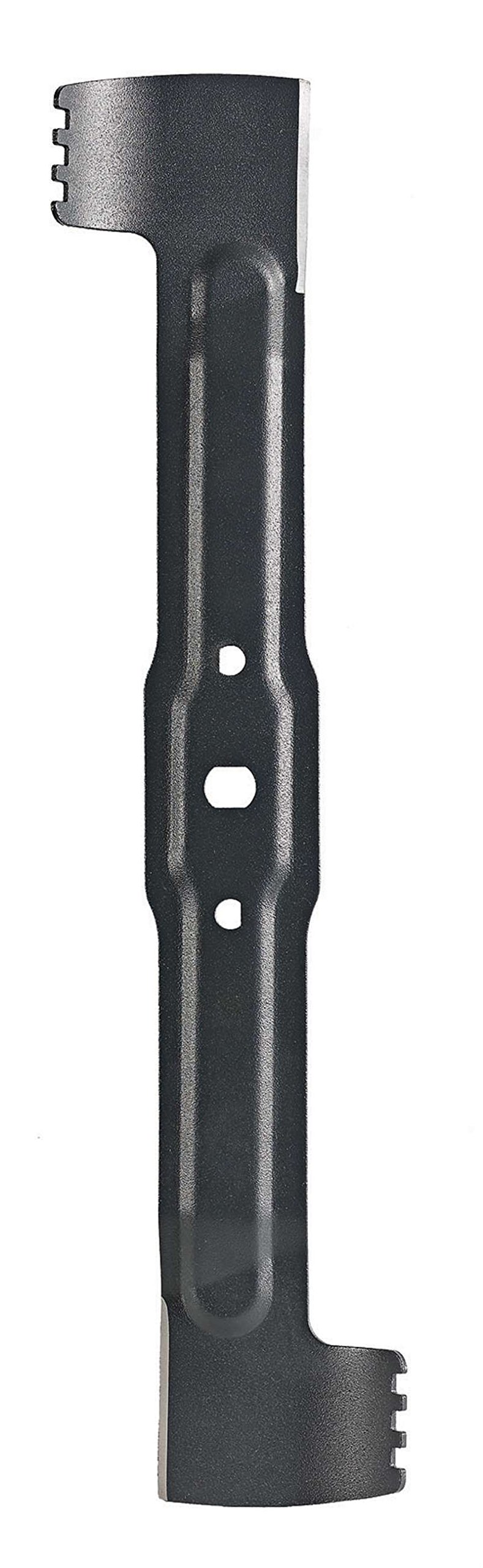
A straightforward replacement blade and spare part that fit original Einhell units cleanly and made quick work of restoring cut quality for me.
Why I picked it: Precise fit for Einhell machines and easy to swap in.
Best for: Owners needing an inexpensive spare blade or replacement for nicked blades.
Very budget-friendly spare part compared with buying new mowers.
Pros
- Accurate fit to original mower
- Easy to replace
- Economical spare part
- Restores cutting performance
Cons
- Not a complete mower
- Limited product information
- Single blade only
My take
I kept this blade on hand after a stone nicked my original. Swapping it in was quick and the fit was exact, which brought my mower back to a clean cut immediately.
If you maintain your equipment, keeping a spare blade like this is cheap insurance. It’s a simple, practical part that saved me from having to replace the mower prematurely.
How I Choose a Walk-Behind Mower
Match deck width to yard size
I choose a wider deck for bigger lawns because it cuts my time. For small lawns or tight, landscaped areas I prefer a compact 30–33 cm (12–13") deck for better maneuverability.
- Under 150 m²: compact 30 cm decks are efficient
- Up to ~0.5 acres: 20–21" decks balance speed and control
- Over 0.5 acres: consider runs of interchangeable batteries or larger deck
Battery platform and runtime
I look for machines that use batteries I already own or that belong to a larger ecosystem—this multiplies value across trimmers, blowers, and mowers. For larger yards I prefer kits that include a second battery or offer quick charging.
- Brushless motors extend runtime and reduce maintenance
- Higher-voltage platforms give more torque for thick grass
- Carry a spare battery for continuous mowing on large lawns
Self-propel vs. push
Self-propelled models save energy on slopes and larger lots. I choose a push mower for flat, small lawns where weight and simplicity matter more.
- Self-propel for hills and longer sessions
- Push models are lighter and cheaper
- Test the drive engagement—ease of backing up matters
Cutting options and bagging
I prefer mowers with 3-in-1 or 4-in-1 options so I can mulch, bag, or side-discharge depending on the season. Interchangeable blades are a big plus for tailoring cut quality.
- Mulching keeps nutrients on the lawn
- Bagging gives a neat finish for show lawns
- Side-discharge is useful for very tall or wet grass
Storage and build
I check handle-folding, overall weight, and catcher size for storage practicality. Steel decks add durability, while plastic decks keep weight down—each has trade-offs.
- Foldable handles for vertical storage
- Large wheels for rough terrain
- Consider deck material: steel for toughness, plastic for lightness
Frequently Asked Questions
How long will a battery-powered mower run on a charge?
From my experience, runtime varies widely by battery capacity, mower load, and grass conditions. Expect anything from 20–60 minutes on a single charge depending on battery amp-hour and whether you use self-propel or high-cutting settings. I carry a spare battery for larger jobs.
Can cordless mowers match gas power?
In my tests, higher-voltage brushless mowers with good battery capacity can perform like gas mowers for most homeowner tasks—cutting thick grass, handling slopes, and bagging—without the noise and maintenance. Very heavy commercial mowing still favors gas or larger machines.
How often should I replace or sharpen mower blades?
I sharpen blades once or twice per season if I’m mowing regularly and touch them immediately after hitting rocks. Replace blades when they’re bent, chipped, or can’t hold an edge—keeping blades sharp improves cut quality and lawn health.
Final Take
After testing these mowers across different yards, I recommend matching deck size and battery platform to how you maintain your lawn. Compact brushless mowers excel for small spaces; high-voltage self-propelled machines win on power and runtime.
If you already own a battery system, prioritize compatibility. If you need long runtime and the cleanest cut, consider the EGO or Greenworks options. For value and included batteries, SKIL is a solid pick, and the Makita is my choice when light weight and maneuverability matter most.
