
I tested ready-to-use sprays and concentrates on gravel, pavers, and cracks. These five herbicides stood out for coverage, speed, and lasting control depending on the job.
I spend a lot of time treating weeds in gravel driveways, paver joints, and along foundations, so I’ve tried both RTU sprays and concentrates to find what actually works. In this roundup I cover options that win for fast knockdown, long-lasting prevention, large-area economy, and overall reliability.
Gravel areas present two problems: weeds that pop through aggregate and seeds that keep coming. I focus on products that deliver thorough kill where I spray, reasonable rainfast windows, and mixes or ready-to-use formulas that make the job predictable.
I organize these choices around three trade-offs I use in the yard: speed versus longevity, convenience versus economy, and concentrate control versus ready-to-use simplicity. If I need near-immediate browning I reach for fast-acting RTUs; for large gravel swaths I switch to concentrates; and when I want a prevention layer I pick extended-control formulas.
1. Compare-N-Save 41% Glyphosate Concentrate – Best Overall
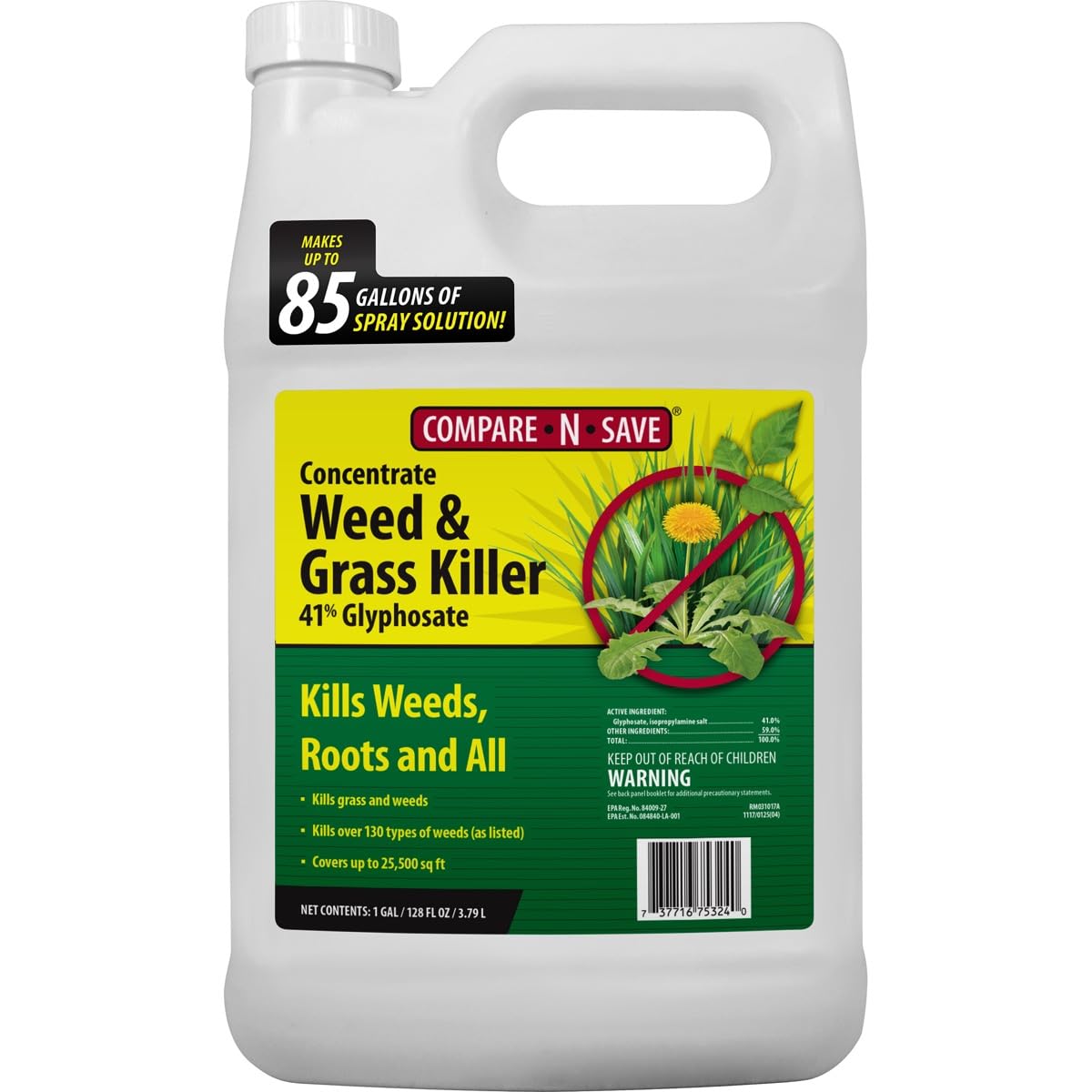
A high-concentration glyphosate formula that covers very large areas and delivers reliable, systemic control when mixed per directions.
Why I picked it: High glyphosate strength and very large coverage make it my go-to for big gravel expanses.
Best for: Treating large gravel driveways, edges, and areas where deep root kill is needed.
Great value when you need to treat many square feet.
Pros
- High glyphosate concentration
- Makes a lot of ready-to-use spray
- Systemic root kill
Cons
- Requires careful measuring
- Needs patience for full effects
- Can harm nearby plants
My take
I like this product for jobs where I need to treat a lot of ground. The 41-percent glyphosate concentrate mixes down to many gallons of spray, so one jug stretches farther than RTU bottles.
Mixing correctly matters. I learned the hard way that over-mixing is unnecessary and wasteful — when I followed the container directions the product worked just as well and was easier to manage. The instructions and mixing table on the container are essential to get the expected coverage and control.
On performance, results aren’t instant. Expect visible decline in 2–4 days and full results over a couple of weeks. It’s rainproof within a couple of hours, so I plan applications around weather to avoid runoff and accidental drift onto desirable plants.
Safety and placement are critical with this strength. I keep a careful spray pattern, avoid windy days, and protect nearby lawns and ornamentals because this kills anything it contacts.
2. Roundup Extended Control RTU – Best Preventative
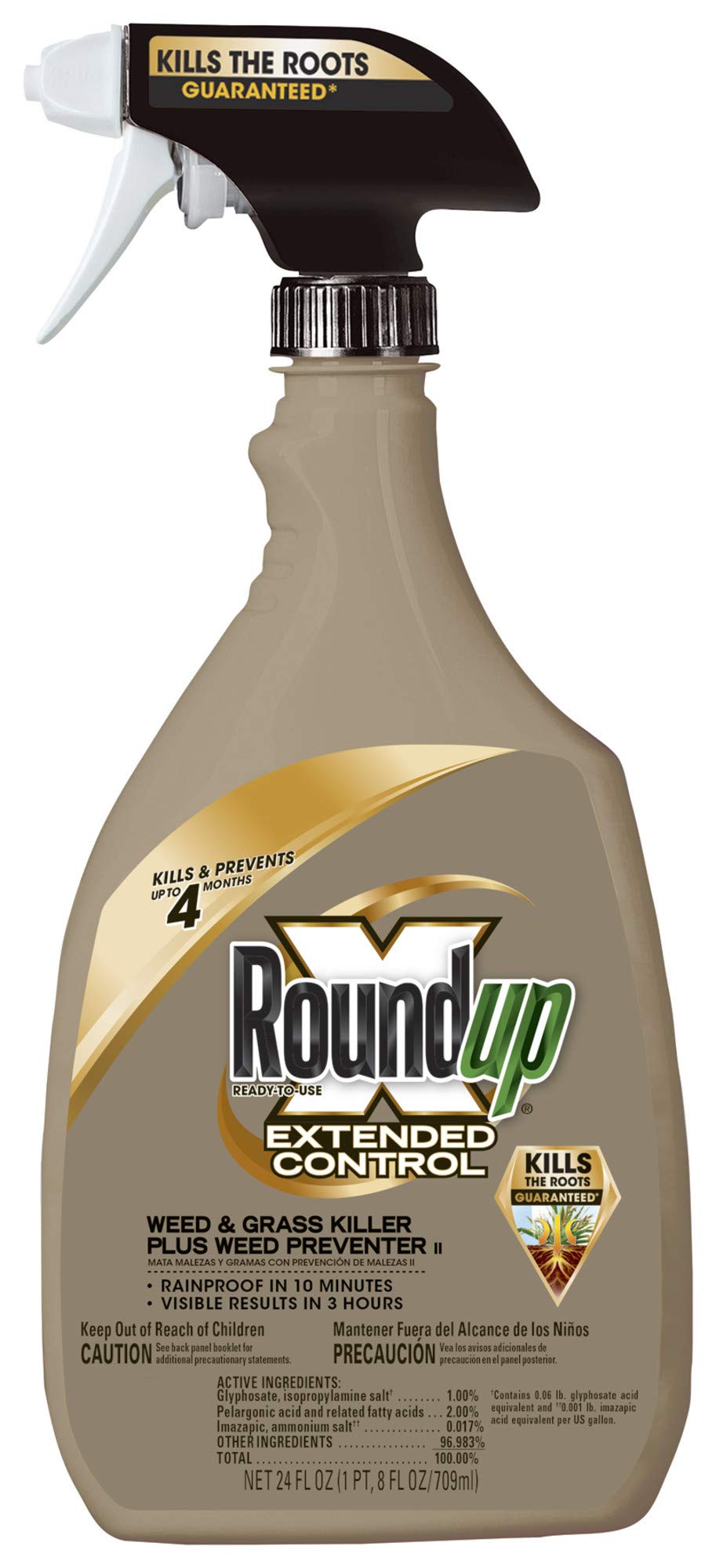
A dual-action ready-to-use formula that kills existing weeds and creates a short-term barrier to new growth, ideal for cracks and walkways.
Why I picked it: I reach for this when I want both immediate knockdown and several months of prevention without mixing.
Best for: Sidewalks, flagstone, and driveway cracks where a short-term invisible barrier keeps weeds at bay.
Convenient RTU bottle suited to small-area maintenance.
Pros
- Kills and prevents regrowth
- No mixing required
- Easy spot application
Cons
- Smaller bottle for big jobs
- Prevention window is temporary
My take
This extended-control formula is perfect for targeted work. I sprayed seams and paver joints and appreciated that it handled both existing weeds and put a temporary barrier against seedlings for a few months.
The convenience of ready-to-use is a real advantage when I’m maintaining high-traffic areas; I don’t need a sprayer or to fuss with measuring. Application is straightforward and the invisible barrier lets me go longer between sprays in tight spots.
For dense brush or very stubborn vines I still use stronger concentrates, but for walkways and driveways this product saves time and keeps gravel edges looking tidy.
3. Spectracide Weed & Grass Killer RTU – Best Fast-Acting
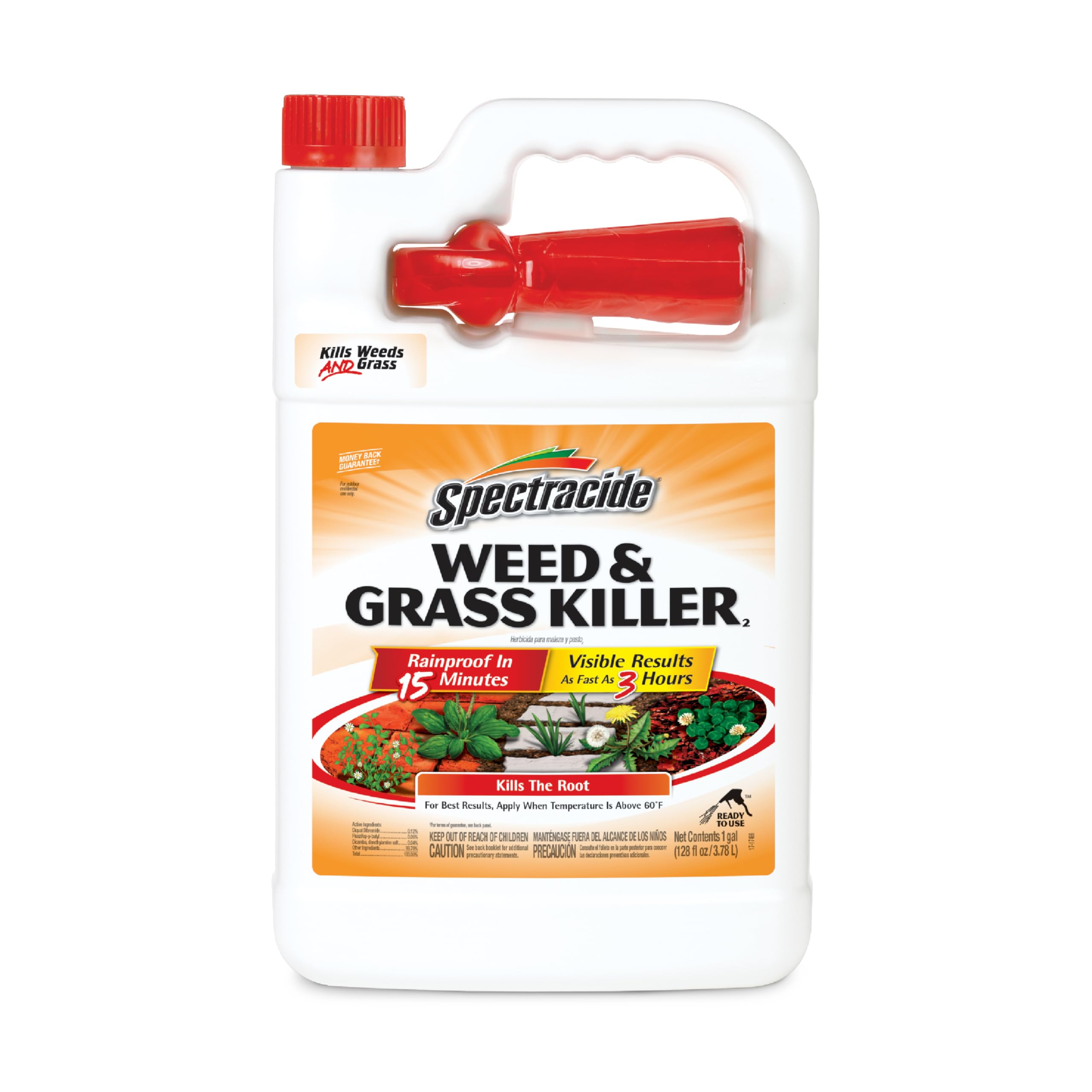
A ready-to-use sprayer that produces visible browning in hours and is rainproof within minutes—great when I need quick results.
Why I picked it: Very fast visible results and a large ready-to-use gallon made it my choice for quick cleanups.
Best for: Rapid spot treatments on driveways, paver seams, and small gravel areas.
Budget-friendly RTU gallon for fast, disposable applications.
Pros
- Visible results in hours
- Rainproof quickly
- Ready to use
Cons
- Sprayer can leak
- Can damage nearby plants
My take
When I want to see weeds brown out the same day, this Spectracide RTU delivers. I’ve had noticeable wilting and browning within a few hours and much clearer areas within a week.
The rainfast window is short—just 15 minutes—which is handy when the forecast is uncertain. That quick set time reduces the chance of washing off if a shower arrives shortly after application.
A practical note: the sprayer works fine for large swaths but I noticed a small trigger leak during long sessions, so I wear gloves and keep a rag handy. For extensive jobs I pair this bottle with a battery-powered wand for more comfortable spraying.
4. Roundup Super Concentrate – Best Concentrate
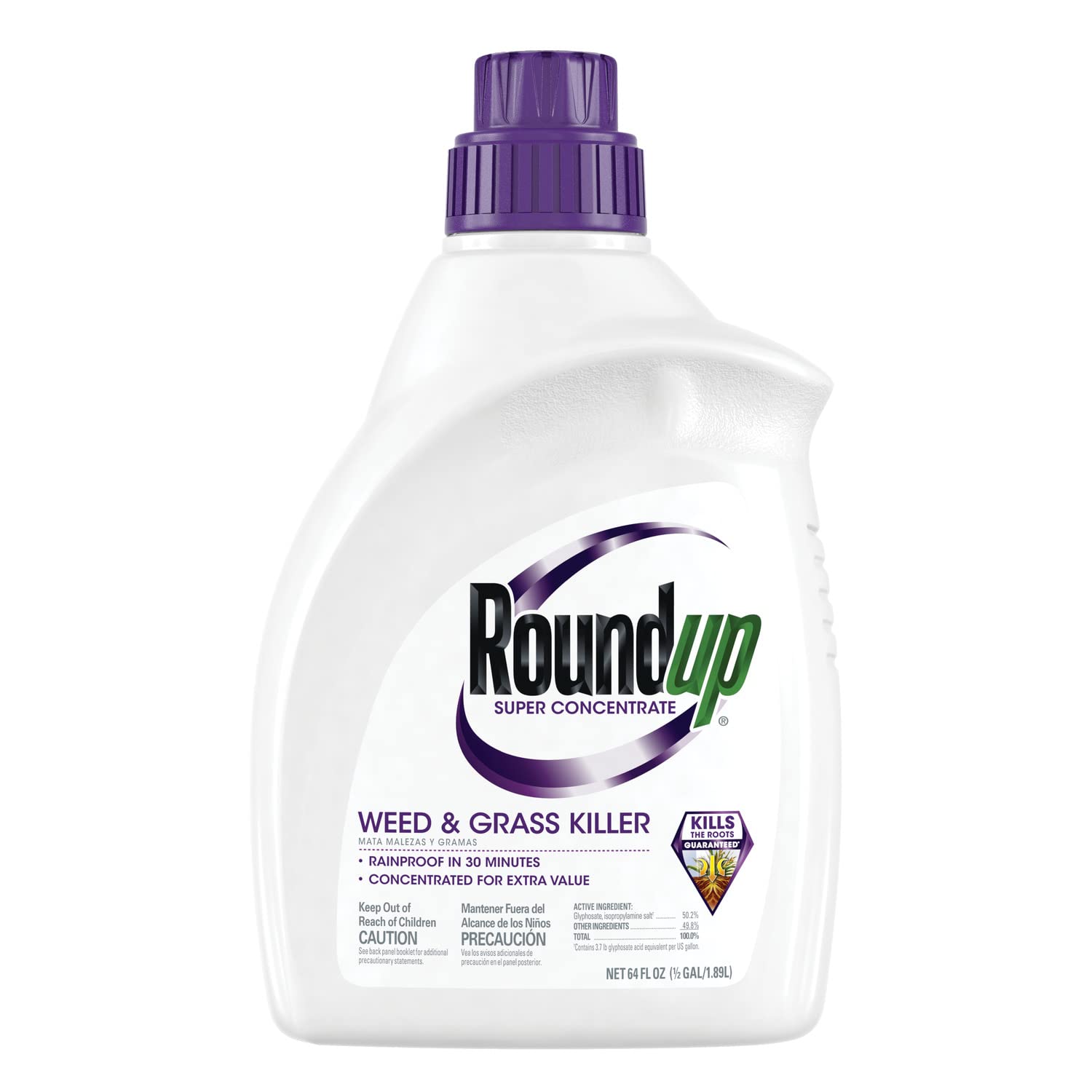
A classic, easy-measure concentrate for tank sprayers that balances speed and economy for bigger gravel areas.
Why I picked it: Straightforward mixing, dependable systemic action, and fast rainfast time make it my dependable concentrate.
Best for: Large gravel expanses, fence lines, and prepping areas for replanting.
Concentrate saves money across repeated large-area treatments.
Pros
- Designed for tank sprayers
- Rainproof in 30 minutes
- Fast yellowing in days
Cons
- Requires sprayer equipment
- Not instant; expect a few days
My take
I use this Roundup concentrate when I’m tackling big swaths of gravel because a small measured dose in a sprayer covers a lot of ground. It’s straightforward to mix — I follow the recommended 2.5 oz per gallon in my tank sprayer for predictable results.
The formula typically shows yellowing and wilting within 2–4 days and becomes rainproof in about half an hour, so I plan applications around light weather windows. Mixing stronger than recommended doesn’t speed things up meaningfully, so I stick to the directions now.
For me the main benefit is economy: the concentrate keeps supply weight and storage down while delivering the systemic kill I need for roots and tougher weeds.
5. RM43 43% Glyphosate Concentrate – Best for Long-Term Control
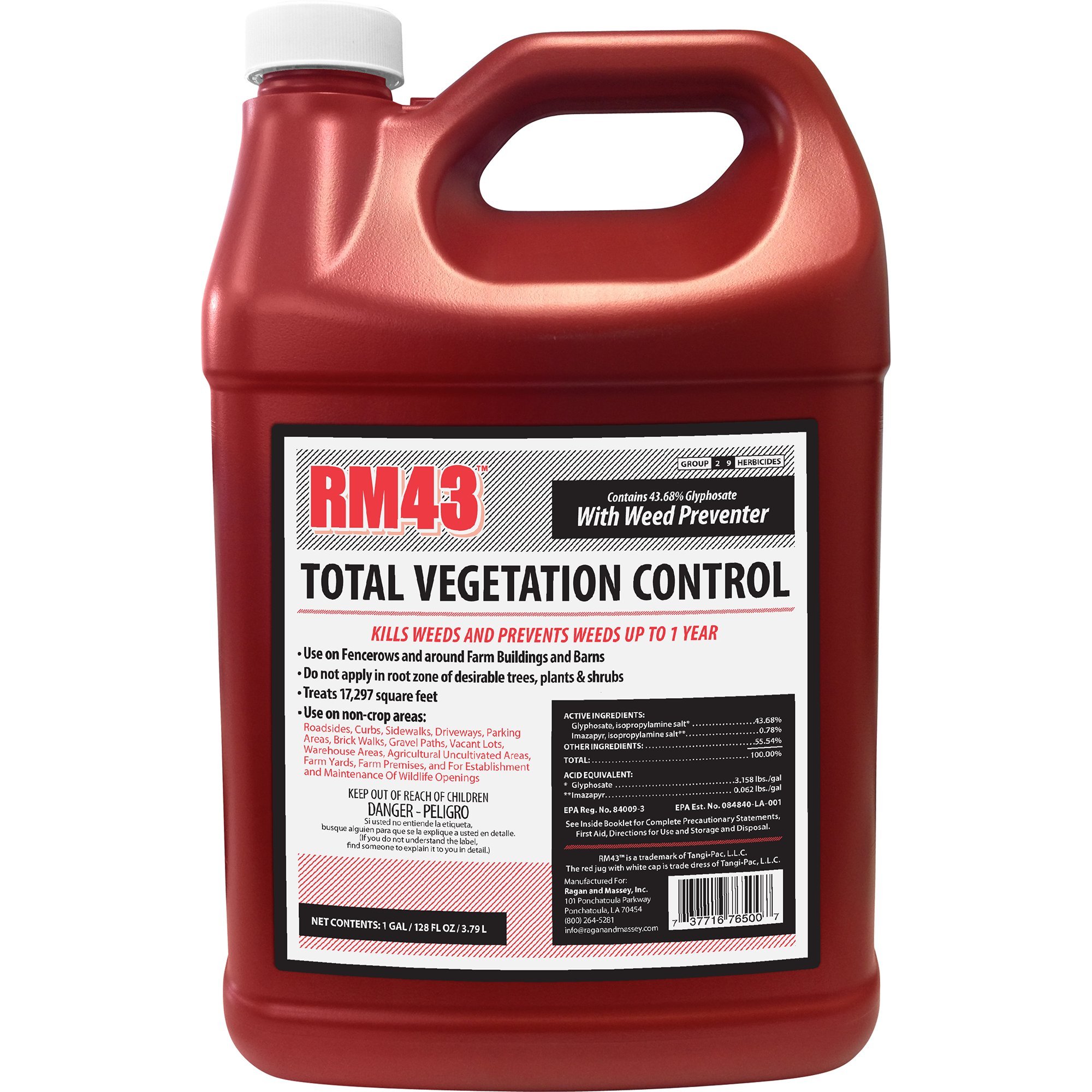
A potent glyphosate concentrate with a built-in prevention claim that I trust for deep, long-lasting vegetation control.
Why I picked it: Highest durability and root-targeting action make it my pick when I want season-long control in gravel beds.
Best for: Areas where I want minimal return weeds throughout the season or year.
Premium option; a little goes a long way for lasting control.
Pros
- Very strong systemic action
- Long-lasting control
- Highly concentrated
Cons
- More expensive upfront
- Requires careful spot application
My take
This product is the one I reach for when I want weeds gone for the entire season or longer. The 43-percent glyphosate concentrate penetrates roots and keeps me from reapplying frequently in problem areas.
A little really does go a long way—when I dilute per instructions it covers a lot of ground and I don’t need to re-spray the same spots often. Expect visible results over a week or so as the chemical moves through the plant.
Because it’s strong and long-lasting I treat it like a premium tool: careful mixing, precise application, and avoidance of off-target spray keep nearby plantings safe.
How I Choose a Weed Killer for Gravel
Active ingredient and concentration
I prioritize glyphosate when I need systemic root kill, especially in gravel where weeds reappear from roots and crowns. Concentrates with higher glyphosate percentages give deeper, longer control when mixed correctly.
If you want quick contact kill for young seedlings or surface growth, non-concentrated RTUs can be effective, but they typically don’t last as long.
- High-concentration glyphosate = better root control.
- RTU products = convenience for small spots.
- Concentrates = economy for large areas.
RTU vs concentrate
I use RTUs for sidewalks, paver joints, and quick touch-ups because they’re ready right out of the bottle. For larger gravel driveways or acreage I choose concentrates to stretch product and cost.
Consider the sprayer you have: tank sprayers make concentrates efficient, while hand-spray RTUs are simpler for irregular patches.
- RTU: quick, no-mix, good for small jobs.
- Concentrate: better value for big jobs, needs a sprayer.
- Match the product to the size of the area.
Speed vs longevity
Fast-acting formulas give visible results in hours, which is satisfying and useful when I’m prepping to replant. Extended-control or strong concentrates provide weeks or months of suppression, which reduces repeat trips.
I pick fast-acting RTUs for immediate cleanup and concentrates or extended-control formulas when I want to reduce future germination.
- Fast-acting = visible in hours to days.
- Concentrates/extended-control = weeks to months of suppression.
Application and safety tips
I always choose a calm, dry day to spray and keep the nozzle low to avoid drift. Rainfast times vary—check whether the product sets in 15 minutes, 30 minutes, or a few hours and plan accordingly.
Protect desirable plants and avoid over-concentrating. Mixing stronger than directions rarely helps and can increase risk to non-target vegetation.
- Spray on calm days with no rain forecast for the rainfast window.
- Wear gloves and eye protection; avoid drift onto lawns.
- Follow mixing instructions; more concentrated isn’t always better.
Frequently Asked Questions
Which product works fastest on weeds in gravel?
When I need quick browning I use the Spectracide RTU; it shows visible wilting in hours and is rainproof within about 15 minutes, so it’s my go-to for fast results.
Do concentrates give better long-term control than RTUs?
Yes — in my experience concentrates like the Compare-N-Save and RM43 provide deeper systemic root kill and stretch further across large gravel areas, resulting in fewer reapplications over the season.
How long should I wait after spraying before replanting?
I typically wait until treated plants have fully browned and decomposed; for systemic glyphosate products that’s usually several days to a couple of weeks. For fast-acting RTUs you can often replant sooner once the area is cleared and rinsed if needed.
Final Take
Gravel areas benefit from a targeted approach: I use RTUs for quick touch-ups and concentrates or extended-control products for large swaths and season-long suppression.
If I had to pick one bottle for overall versatility, the higher-concentration, economical concentrates give me the coverage and root kill I want. But for tight joints and regular maintenance, the extended-control RTU keeps weeds from coming back between treatments.
