
I tested a range of wide-mouth jars for canning, fermenting, freezing, and pantry storage and rounded up the ones I rely on the most for different tasks.
I use wide-mouth jars every week for canning, meal prep, fermenting, and pantry storage, so I looked for options that balance glass quality, lid performance, and real-world usefulness.
In this roundup I explain which jars I reach for when I need a durable pint-sized canning jar, a quart for bone broth, a one-liter jar for sourdough starter, or a gallon for bulk fermenting.
I tested these jars for ease of filling and cleaning, seal reliability, and how well they handle freezing, pouring, and heavy use.
I compared jars by mouth size, seal type, glass thickness, and how each performed for canning, freezing, fermenting, and bulk storage in everyday kitchen use.
1. SEWANTA 16 oz Wide-Mouth Mason Jars – Best Overall
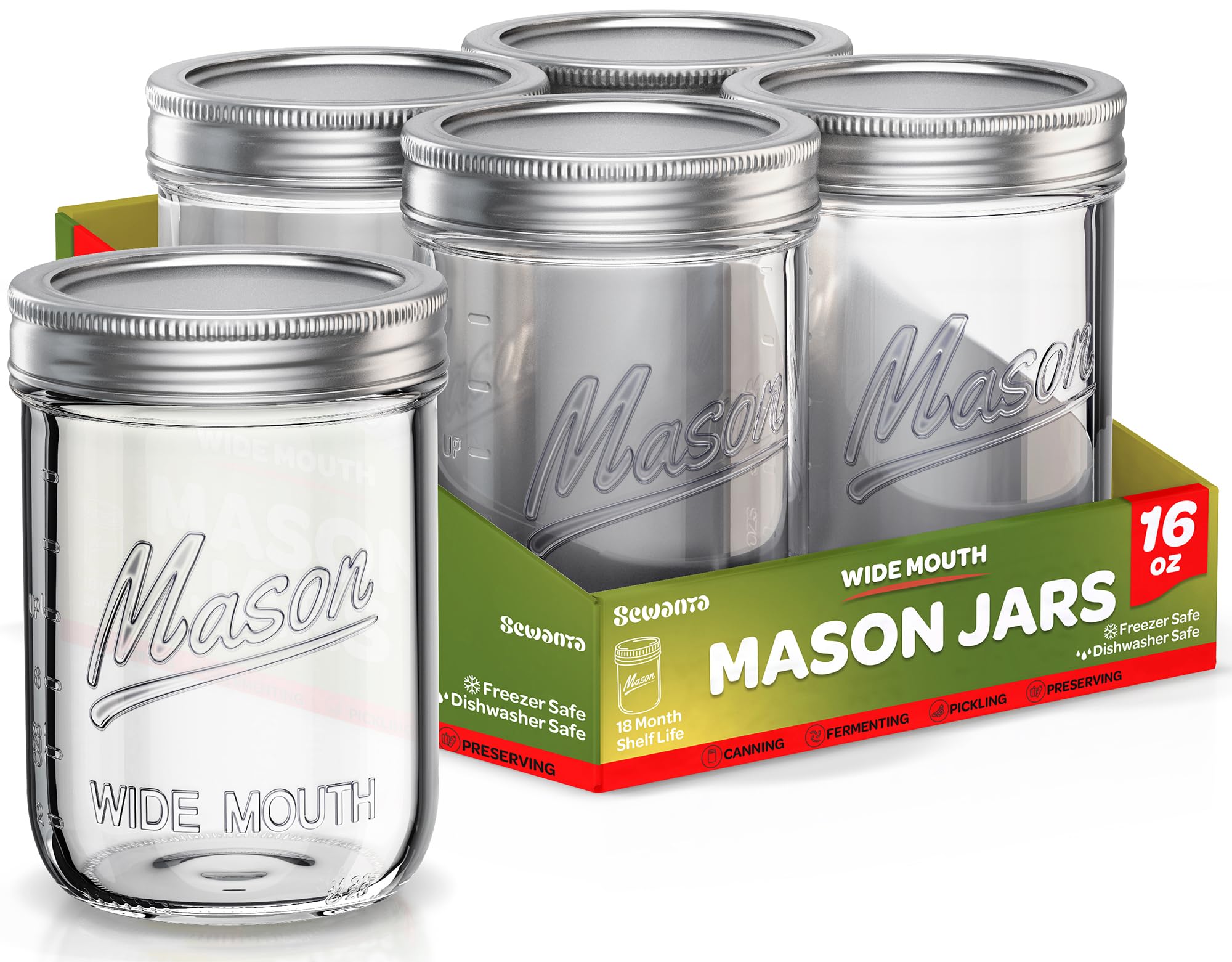
I like these 16 oz wide-mouth jars for versatile canning, freezing (up to recommended fill), and dinner‑table serving — they come as a useful 5-pack with measurement marks.
Why I picked it: Versatile 5-pack with embossed measurements and reliable seals.
Best for: Canning, meal prep, freezing single portions, desserts and gifts.
Good-value multi-pack for regular home use.
Pros
- Embossed measurement markings
- Wide mouth for easy filling
- Dishwasher and microwave safe
- Comes in a useful 5-pack
Cons
- Lids can dent if pried hard
- Not intended for overfilling when freezing
My take
These 16 oz jars became my go-to for meal prep and serving. The embossed measurement marks take the guesswork out of filling jars for recipes or freezing single portions.
I used them repeatedly for soups, bone broth, overnight oats, and parfaits. The wide mouth made scooping and cleaning simple, and I appreciated that the glass felt sturdy in daily handling.
The lids form an airtight seal for fridge storage up to a few weeks and longer for preserved goods, and I tested the freezer guidance by leaving headspace when freezing — they handled it well when I didn’t overfill.
They’re also a handy decorative option for gifting jams or using as centerpieces, which is why I keep a set on rotation year-round.
2. Ball 64 oz Wide-Mouth Jar – Best Large Capacity
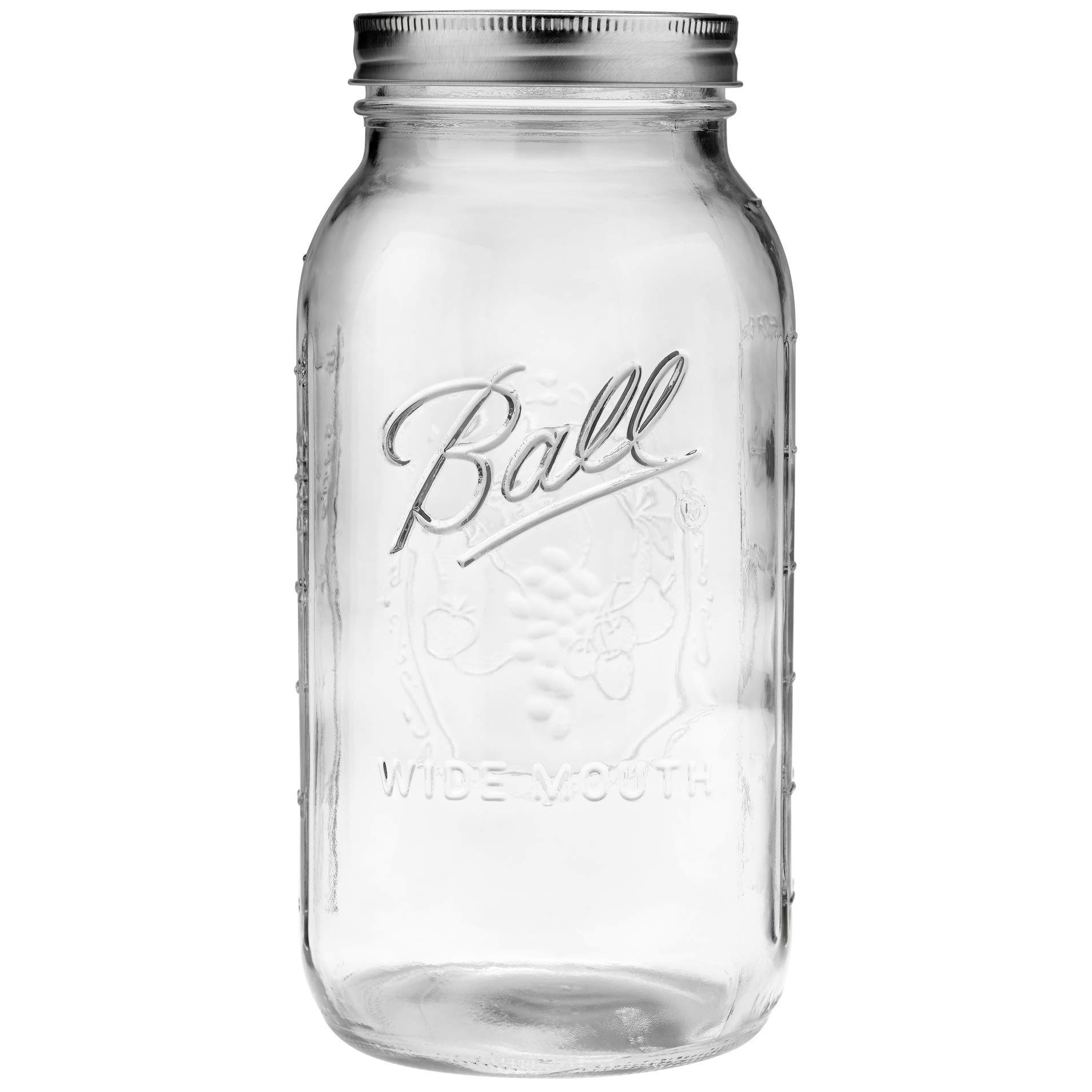
I reach for the 64 oz Ball jar when I’m making cold brew, sun tea, or need a pitcher-style jar for bulk liquids and fermenting smaller batches.
Why I picked it: Half-gallon capacity ideal for beverages and larger liquid batches.
Best for: Cold brew, sun tea, kombucha small-batch brew, liquid storage.
Single-jar option for occasional large-batch needs.
Pros
- Large half-gallon capacity
- Classic Ball durability
- Wide mouth for pouring and cleaning
Cons
- Basic metal lid may be swapped for a pouring top
- Bulky when full
My take
When I need a jar that functions like a pitcher, this 64 oz Ball jar is what I choose. It’s great for cold brew coffee and sun tea and stores large volumes without taking up extra prep time.
I often replace the included metal lid with a plastic pouring lid for easier serving, but the jar itself is solid and the wide mouth makes it easy to add ingredients and clean after use.
Packaging was protective and the glass arrived intact. This jar is a practical pick when a single large vessel is all I need.
3. Weck 1L Tulip Jar – Best for Sourdough
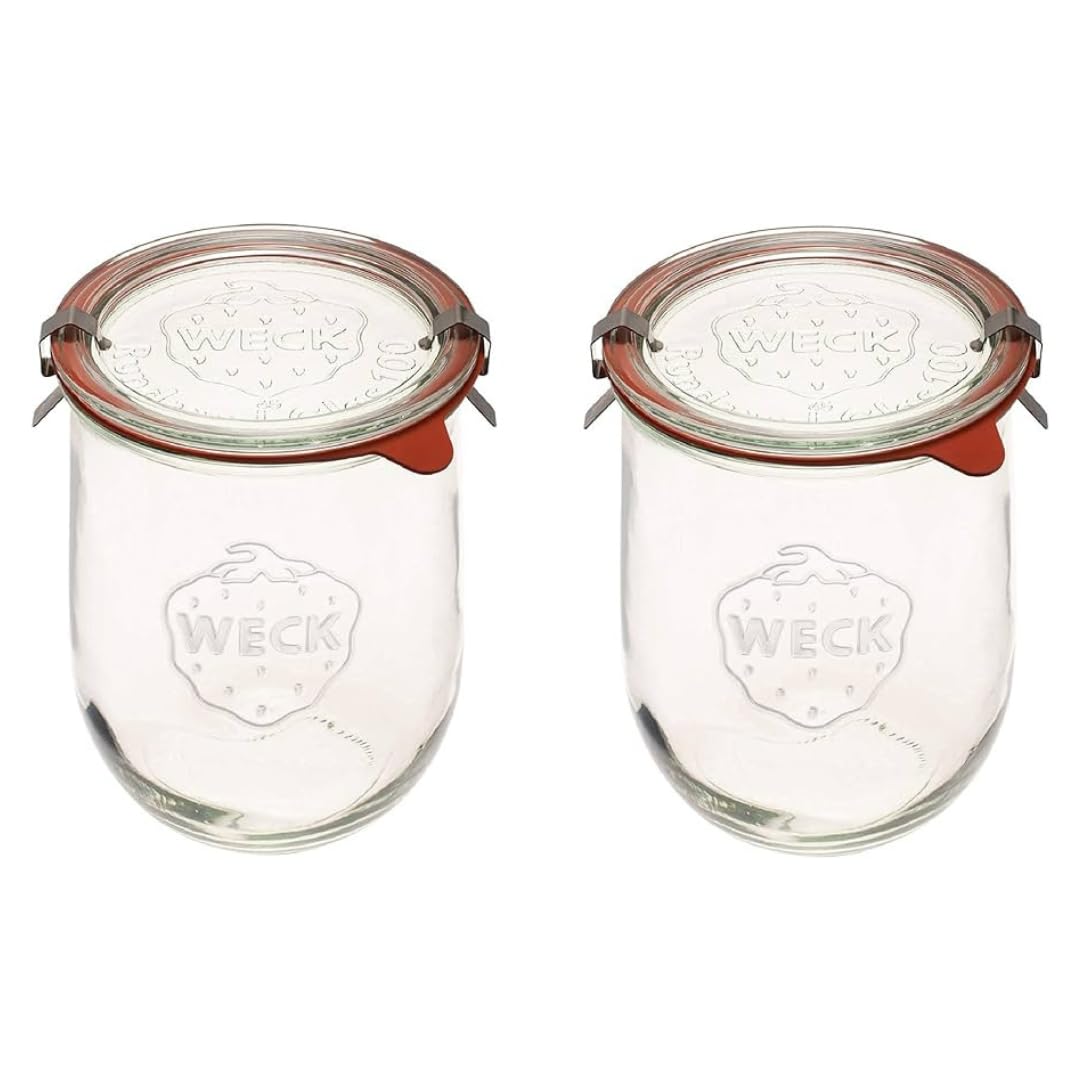
I use Weck tulip jars for sourdough starter because the wide, smooth mouth and glass lid with gasket make feeding, scraping, and controlling airflow easy.
Why I picked it: Smooth interior and glass lid + gasket make starter care effortless.
Best for: Sourdough starters, elegant counter storage, gentle fermentation.
Premium option for bakers who want dedicated starter jars.
Pros
- Thick, sturdy glass
- Glass lid with rubber gasket and clips
- Wide mouth with no ridges
Cons
- Heavier when filled
- Higher-end price compared to basic jars
My take
For my sourdough starter I wanted a jar that made feeding and scraping down the sides simple — the Weck tulip delivers. The smooth interior has no ridges, so I don’t end up with dried starter threads.
I alternate between using the glass lid loosely for fermentation and sealing it with the rubber gasket and clips when I want an airtight hold. That flexibility is why I keep these on my counter.
The jars look great on display, feel solid in hand, and clean easily in the dishwasher. I will admit they’re heavier than standard mason jars, but that heft feels like quality.
4. Ball 16 oz Regular-Mouth Jars (12-Pack) – Best Value Pack
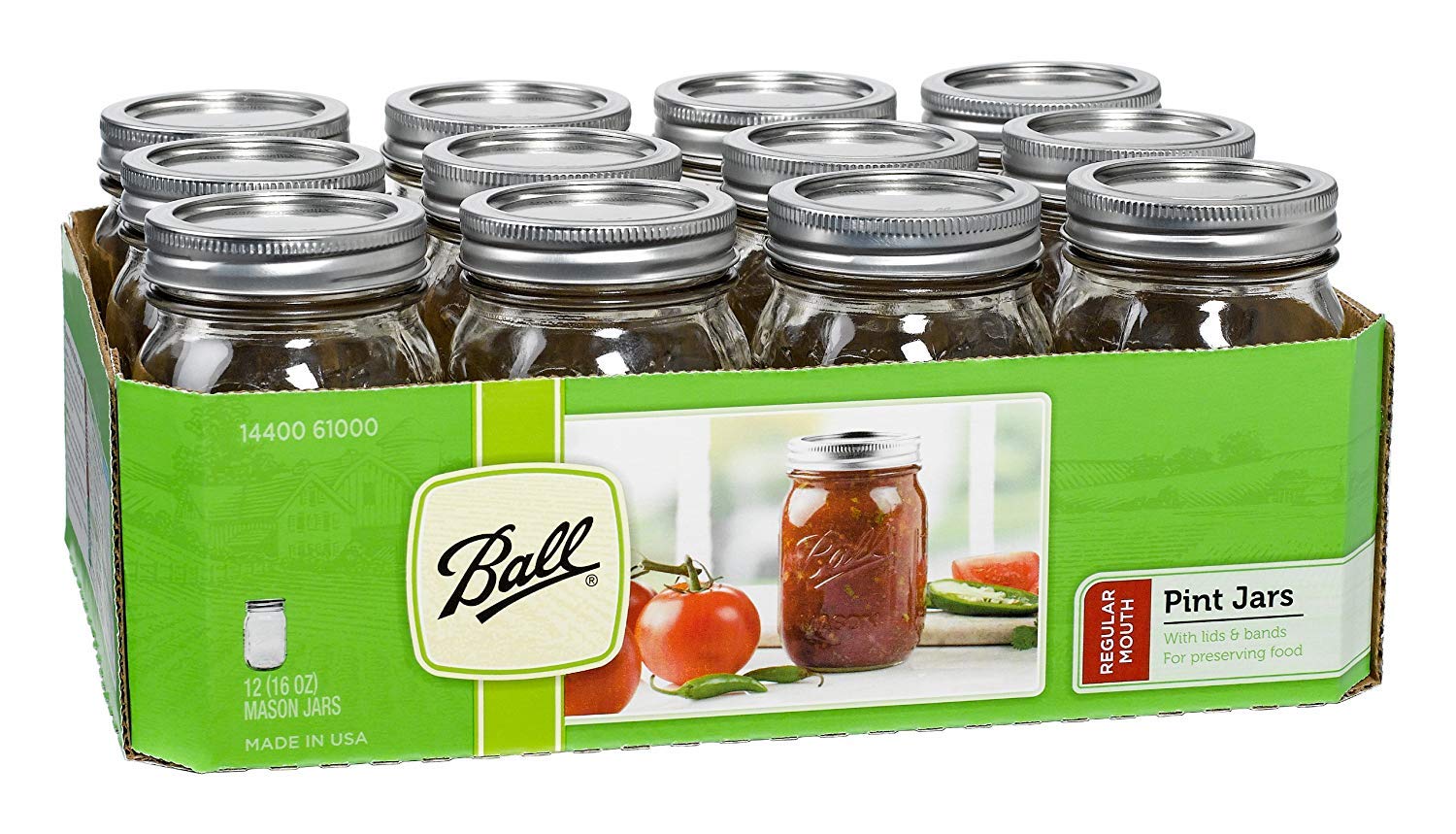
When I need a lot of jars for canning or events, the Ball 16 oz regular-mouth 12-pack gives me reliable seals and enough capacity for sauces, jams, and chopped produce.
Why I picked it: Large count and sure‑tight lids make batch canning efficient.
Best for: Jams, jellies, salsas, party centerpieces, bulk food storage.
Value-oriented pack for larger projects or events.
Pros
- Twelve jars per set
- Works well for pourable preserves
- BPA-free construction
Cons
- Regular mouth limits large utensils
- Many jars can be overkill for small households
My take
I used a dozen of these for a weekend canning session and for table centerpieces at an event — they performed exactly as needed. The sure‑tight lids held seals for long-term pantry storage.
Regular-mouth jars are ideal for jams, jellies, and sauces that pour, though I switch to wide-mouth for chunkier items to make scooping easier.
Overall, this 12-pack is the practical, cost-effective choice when quantity matters.
5. Ball 32 oz Wide-Mouth Jars (Set of 2) – Best Duo
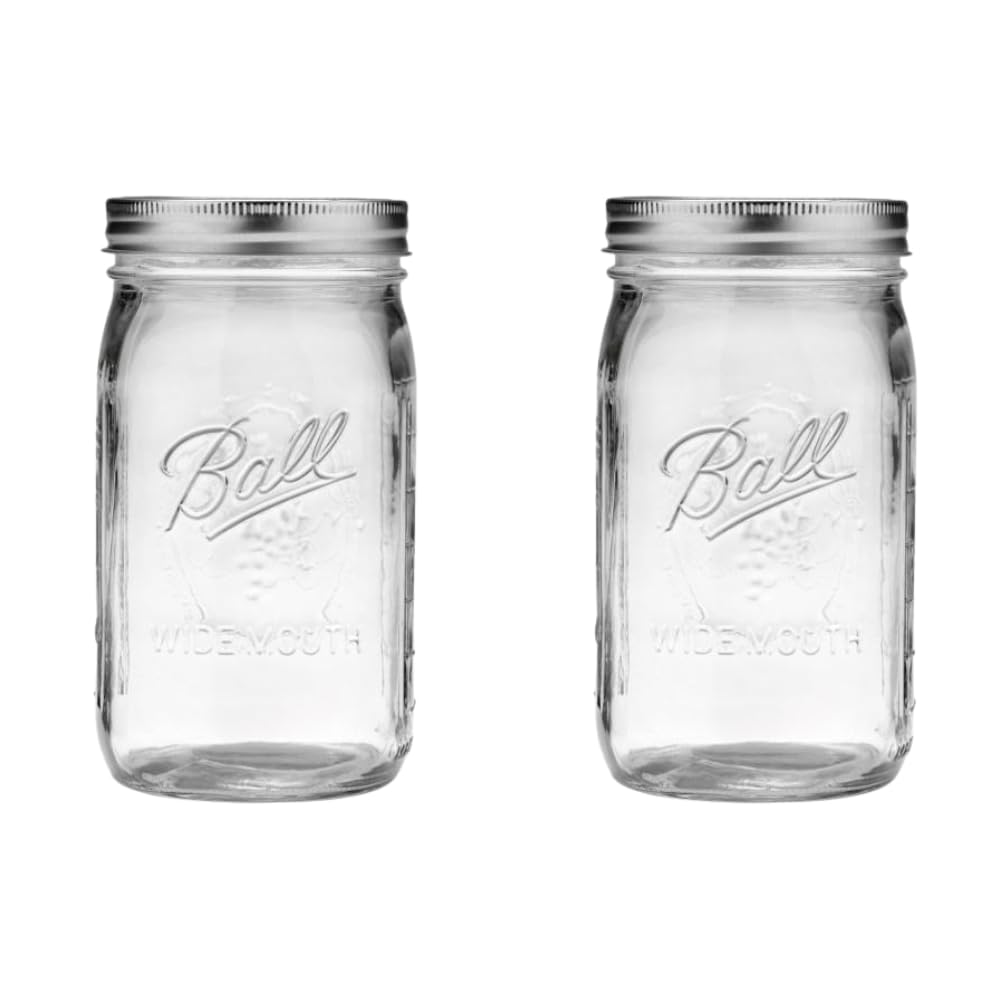
I keep a pair of these quart jars on hand for bone broth, fruit storage, and medium batch leftovers — they’re the right size when you don’t want a full case of jars.
Why I picked it: Perfect two-pack for occasional quart-sized needs.
Best for: Bone broth, storing berries, medium liquid batches.
Small set for people who want just a few jars.
Pros
- Sturdy quart capacity
- Wide mouth for easy access
- Good seal for liquids
Cons
- Can crack if overfilled before freezing
- Only two jars per set
My take
These quart jars hit the sweet spot for my household: big enough for bone broth and fruit, but not excessive when I only need a couple of jars.
A practical tip I use is to leave headspace when freezing liquids — that prevented cracking in my experience. The glass and lids are durable for fridge storage and everyday use.
If you want just a few reliable jars rather than a case, this two-pack is what I reach for.
6. Square Super Wide-Mouth Airtight Jars – Best for Pantry Storage
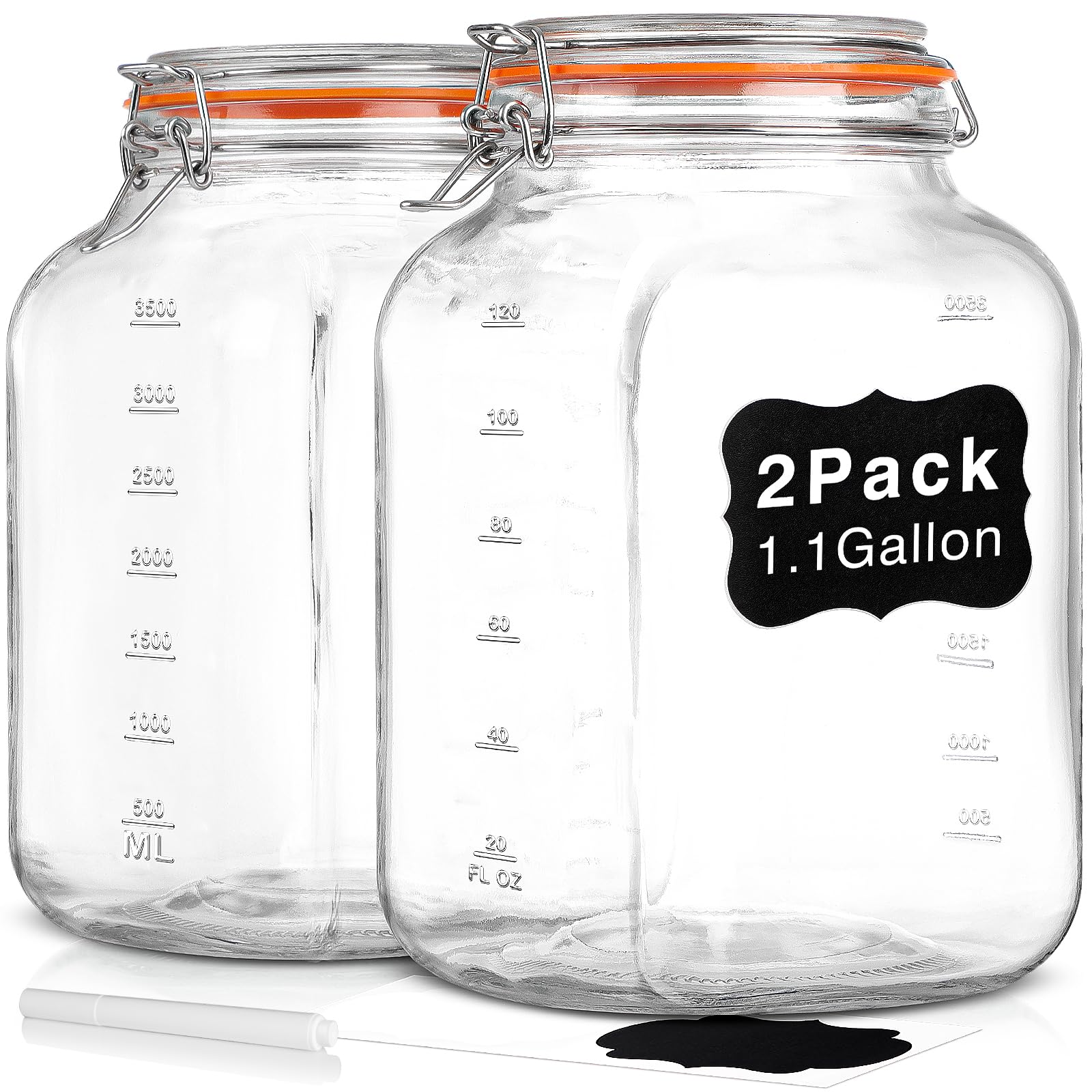
I trusted the square 1.1-gallon jars for flour and grains — the hinged, gasketed lid and measurement marks make them excellent for pantry organization and everyday baking access.
Why I picked it: Airtight hinge lid plus measurement marks for bulk dry goods.
Best for: Flour, grains, oats, bulk pantry storage and countertop display.
Larger, premium-feel storage jars for serious pantry use.
Pros
- Hinged airtight lid
- Measurement marks on the side
- Thick, durable glass
- Includes extra gaskets and labels
Cons
- Heavy when full
- May not fit small shelves
My take
I keep these square containers on my counter for milled flour and frequently used grains. The wide mouth makes scooping easy and the airtight seal keeps contents fresh between bakes.
The measurement marks are surprisingly handy — I often eyeball liquid additions without a separate measuring cup. The extra gaskets and labeling stickers made setup simple.
Because the glass is thick they’re solid and stable, though I wouldn’t stash them on a cramped top shelf due to weight.
7. Sally’s Organics 1 Gallon Jars (2-Pack) – Best for Fermenting
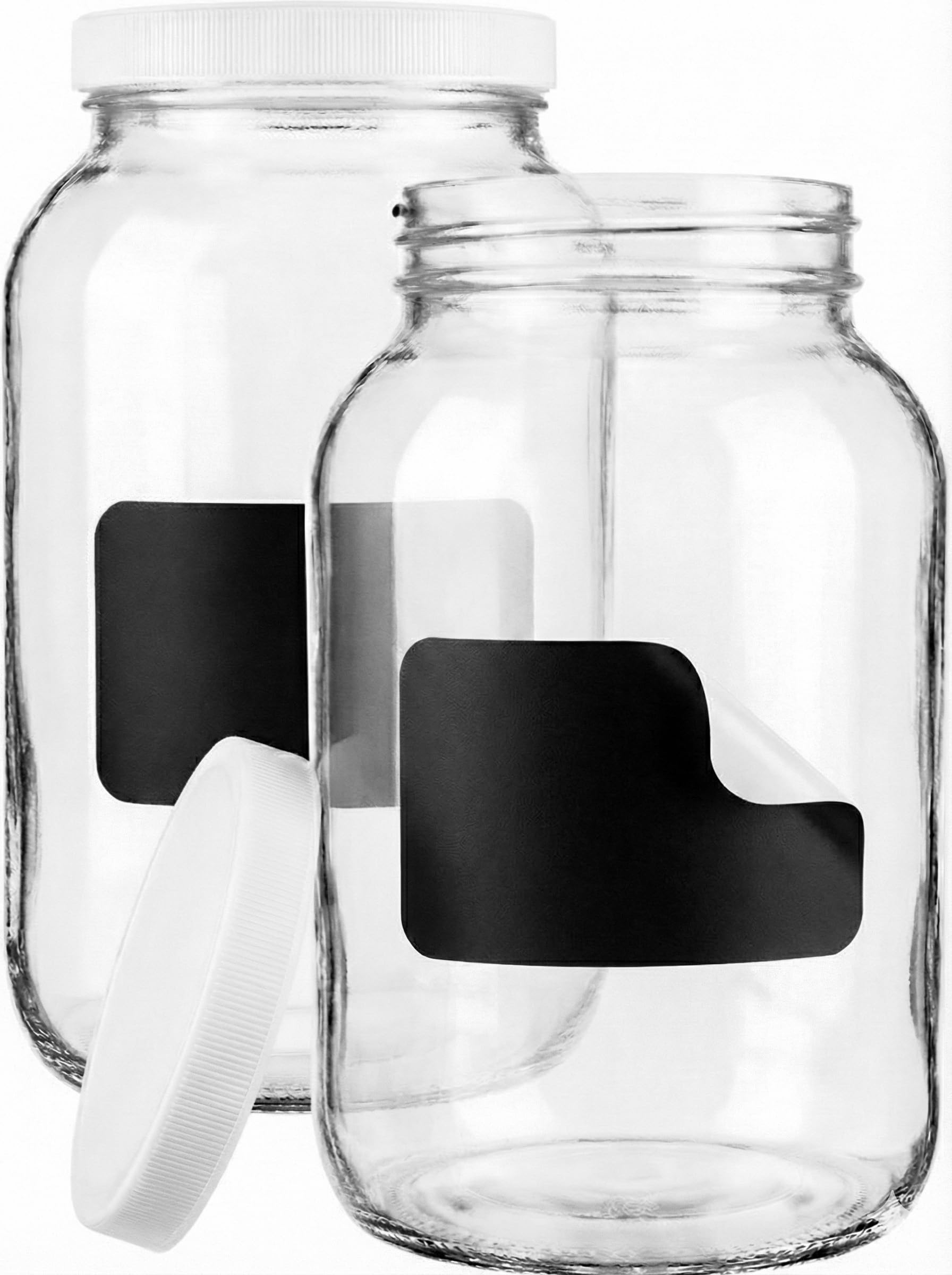
I prefer these two-gallon jars when I’m fermenting kombucha or brewing sun tea — the wide 4-inch mouth and dishwasher-safe plastic lids make fermenting and cleanup straightforward.
Why I picked it: Two large jars and wide mouths ideal for fermenting or brewing.
Best for: Kombucha, sun tea, fermenting vegetables, bulk liquid projects.
Made-in-USA two-pack for fermenting and bulk kitchen tasks.
Pros
- Two 1-gallon jars included
- Wide 4-inch mouth for accessibility
- Dishwasher-safe plastic lids
- USDA food-grade glass
Cons
- Plastic lids instead of metal
- Heavy when filled
My take
When I’m running kombucha batches or making sun tea, these jars are my go-to. The wide mouth gives plenty of room for scobies and flavorings, and the plastic lids are dishwasher-safe — I like that they won’t rust.
Packaging arrived well and the glass feels quality-made. I’ve also used one jar as a countertop display for grains and liked the overall durability.
If you prefer metal lids, these aren’t them — but for fermenting and repeated dishwasher cycles I prefer these plastic caps for longevity.
8. North Mountain 1 Gallon Wide-Mouth Jar – Best Budget Gallon
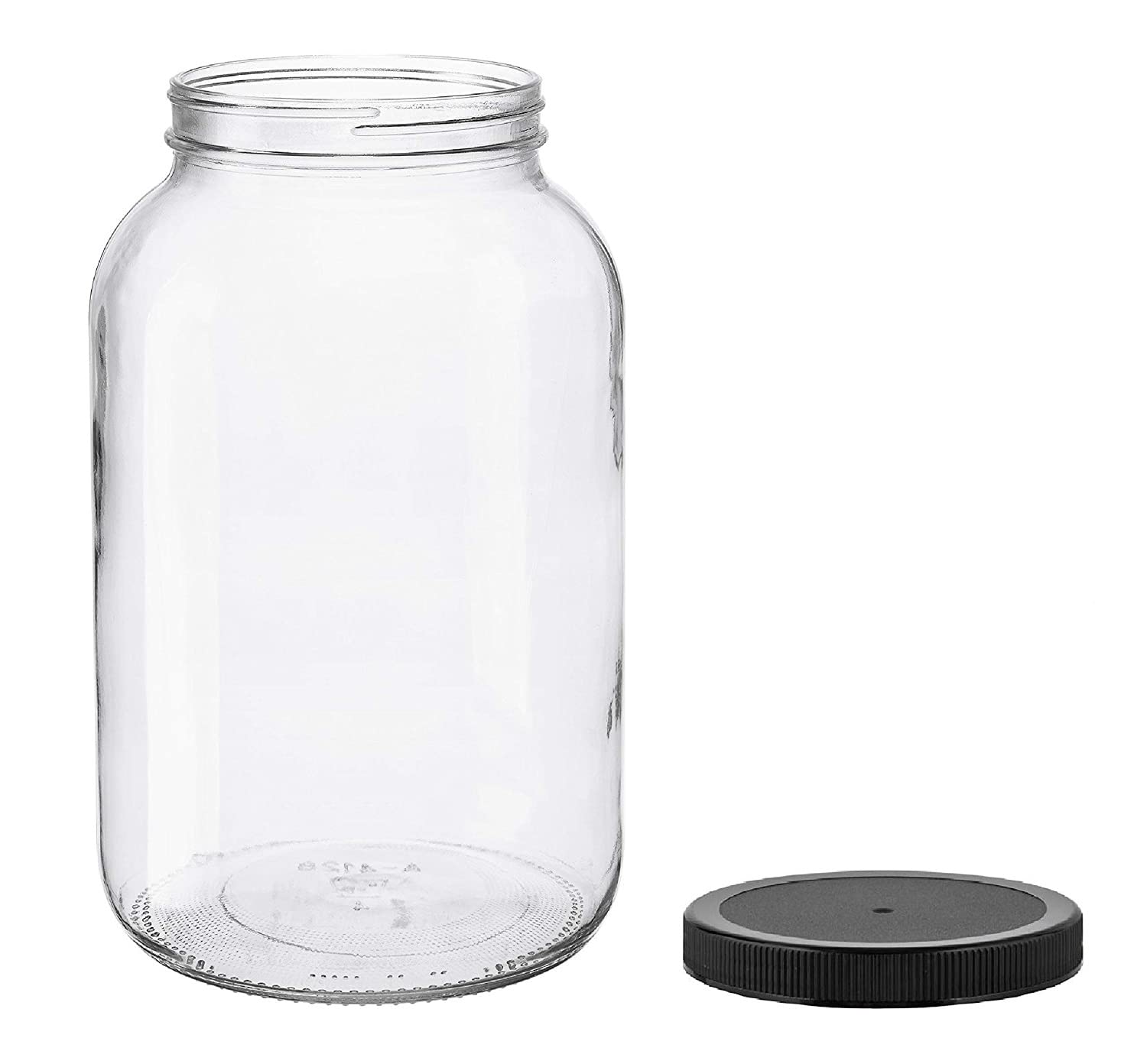
I reach for the North Mountain gallon jar when I want a sturdy, affordable gallon for pickles, kombucha, or bulk storage; it’s USDA food‑grade glass with a practical plastic lid.
Why I picked it: Affordable, thick-glass gallon with good seal and replacement support.
Best for: Bulk fermenting, pickles, soaking sea moss, large-batch storage.
Affordable gallon jar with solid value.
Pros
- USDA food-grade glass
- Wide mouth for easy filling
- Sturdy glass and good seal
- 30-day replacement support
Cons
- Plastic lid can crack (replaceable)
- Glass is heavy when full
My take
I bought this jar for kombucha and soaking sea moss and it performed well — the glass is thick, the wide mouth is easy to work with, and the plastic lid seals tightly.
When I received a lid with a minor defect the seller shipped a replacement quickly, which made the whole experience smooth. For bulk fermenting or pickles this jar strikes the right balance of quality and price.
If you want an affordable gallon that still feels substantial, this is the one I keep ordering.
How I Choose Wide-Mouth Jars
Size and Mouth Style
I pick jar sizes based on the task: 16–32 oz for meal prep and jams, 64 oz for beverages, 1 L for starters, and gallon jars for fermenting or bulk storage.
For easy scooping and stirring I choose wide-mouth jars; regular-mouth ones work better for pourable jams and sauces.
- Wide mouth = easy filling, cleaning, and use with larger utensils.
- Regular mouth = better for pouring and sauces.
- Match jar size to how often you use the contents.
Lids, Seals, and Fermentation
I prefer gasketed lids or hinged airtight tops for dry goods and long-term storage, and a loose glass lid or vented setup for fermentation so gases can escape.
Metal two-piece lids work great for water-bath canning, while plastic or hinged lids are more convenient for repeated fridge use.
- Two-piece metal lids = best for canning long-term.
- Gasketed or hinge-lid jars = best for pantry airtight storage.
- Use a loose lid or burp jars for active fermentation.
Glass Quality and Practical Considerations
Thicker glass feels more durable and resists scratching and thermal shock in everyday handling, though heavier jars can be awkward when full.
I always leave headspace when freezing liquids to avoid cracking, and I replace lids I don’t trust with better-sealing alternatives when needed.
- Look for food-grade or USDA-certified glass when possible.
- Avoid overfilling before freezing; leave recommended headspace.
- Consider extra accessories like measurement marks, extra gaskets, or labels.
Frequently Asked Questions
Can I freeze liquids in these wide-mouth jars?
Yes — I freeze soups and broths in wide-mouth jars, but I always leave ample headspace (follow the jar’s guidance) to allow liquids to expand and avoid cracking.
Are Weck jars airtight for sourdough and fermentation?
In my experience Weck jars are flexible: I seal them airtight with the rubber gasket and clips for storage, and I use the glass lid loosely for fermentation so excess gas can escape.
Which lids are best for canning versus everyday storage?
I use two-piece metal lids for water-bath canning and gasketed or hinge-lid containers for pantry storage and repeated access; plastic lids are handy when I want dishwasher-safe caps that won’t rust.
Final Take
I’ve found that no single jar covers every need, so I keep a mix: a few SEWANTA 16 oz jars for meal prep, a Ball quart and half-gallon for broths and cold brew, Weck tulips for sourdough, and a gallon jar for fermenting.
Choose based on the tasks you do most often — canning, fermenting, freezing, or pantry storage — and you’ll have the right wide-mouth jar ready whenever you need it.
