
I tested a range of popular yoga mats so you can find the right balance of cushioning, grip, and portability for your practice.
I spent time rolling these mats out at home and in different practice situations to judge cushioning, grip, and overall value.
In short: some mats prioritize plush joint protection, others prioritize grip or portability — I point out which one suits which use so you get the right mat for your practice.
I compared thickness, surface grip, material, and portability across the picks so you can quickly match a mat to your needs instead of guessing.
1. Amazon Basics Extra Thick Exercise Yoga Mat — 1/2 Inch – Best Cushioned Budget Mat
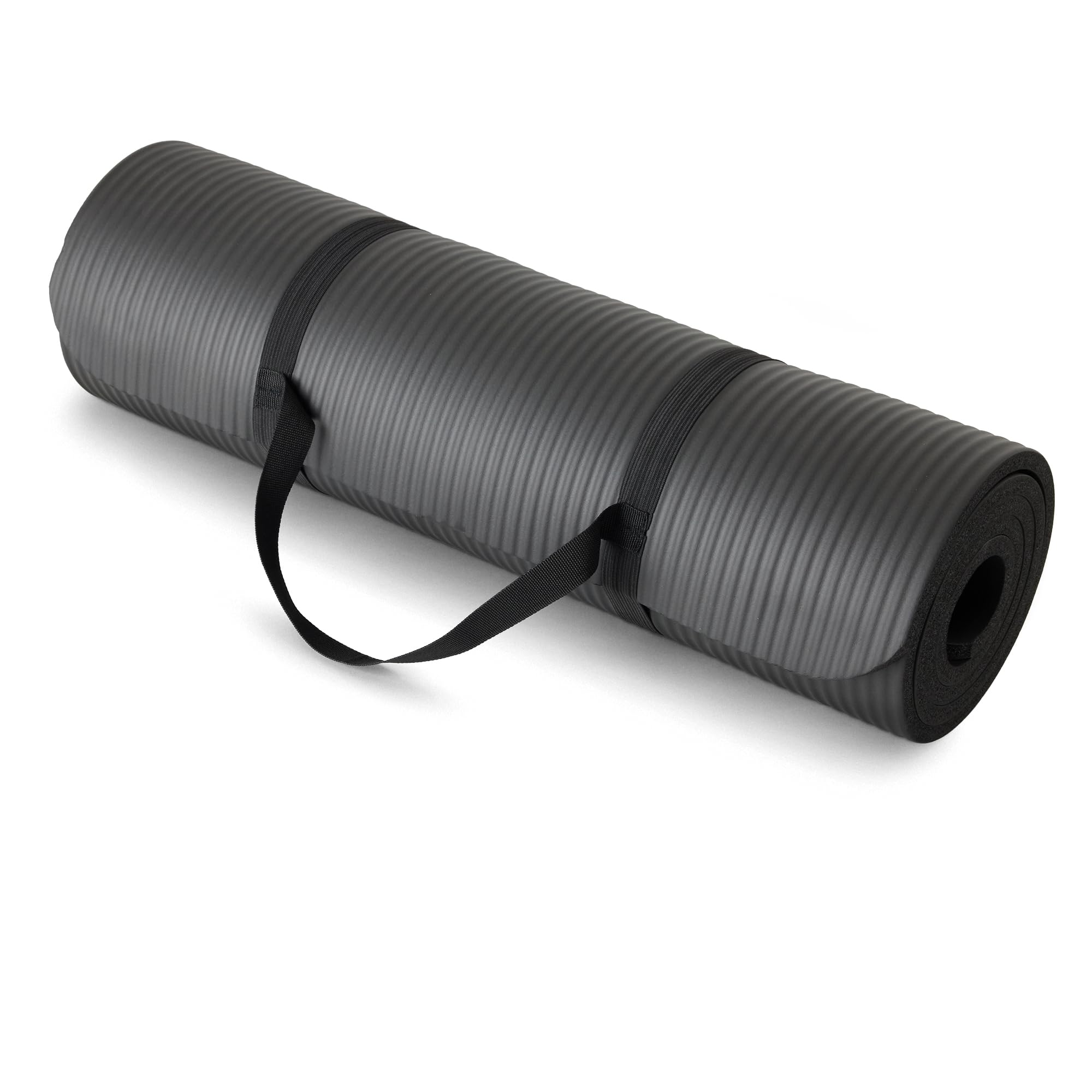
I chose this mat when I wanted maximum padding on a tight budget; it gives a plush, shock-absorbing surface for floor work.
Why I picked it: Plush 1/2" NBR foam delivers real joint protection for floor-based workouts.
Best for: gentle yoga, stretching, floor exercises, anyone who wants extra padding.
very affordable cushioning compared to specialty thick mats.
Pros
- Very plush 1/2-inch cushioning
- Good shock absorption on hard floors
- Durable foam that springs back
- Includes elastic carrying strap
Cons
- Limited grip for advanced standing poses
- Bulky to carry for classes
- Thickness can affect balance
My take
I reached for this mat when I needed padding for my knees and spine while doing stretches on hardwood. The 1/2-inch NBR foam feels like a cushion under every pose and really soaks up impact during planks and floor work.
Because it’s so thick it’s less ideal for balance-focused sequences; I noticed my standing poses felt a bit unstable compared with thinner, tackier mats. The textured surface helps, but this mat leans toward comfort over aggressive grip.
I appreciated the elastic strap for storage and the mat’s ability to spring back after rolling. If you want a soft, forgiving surface for gentle practice or rehab work, this is the best budget option I kept coming back to.
2. Gaiam Essentials Thick Yoga Mat — 10mm (2/5″) – Best for Joint Support
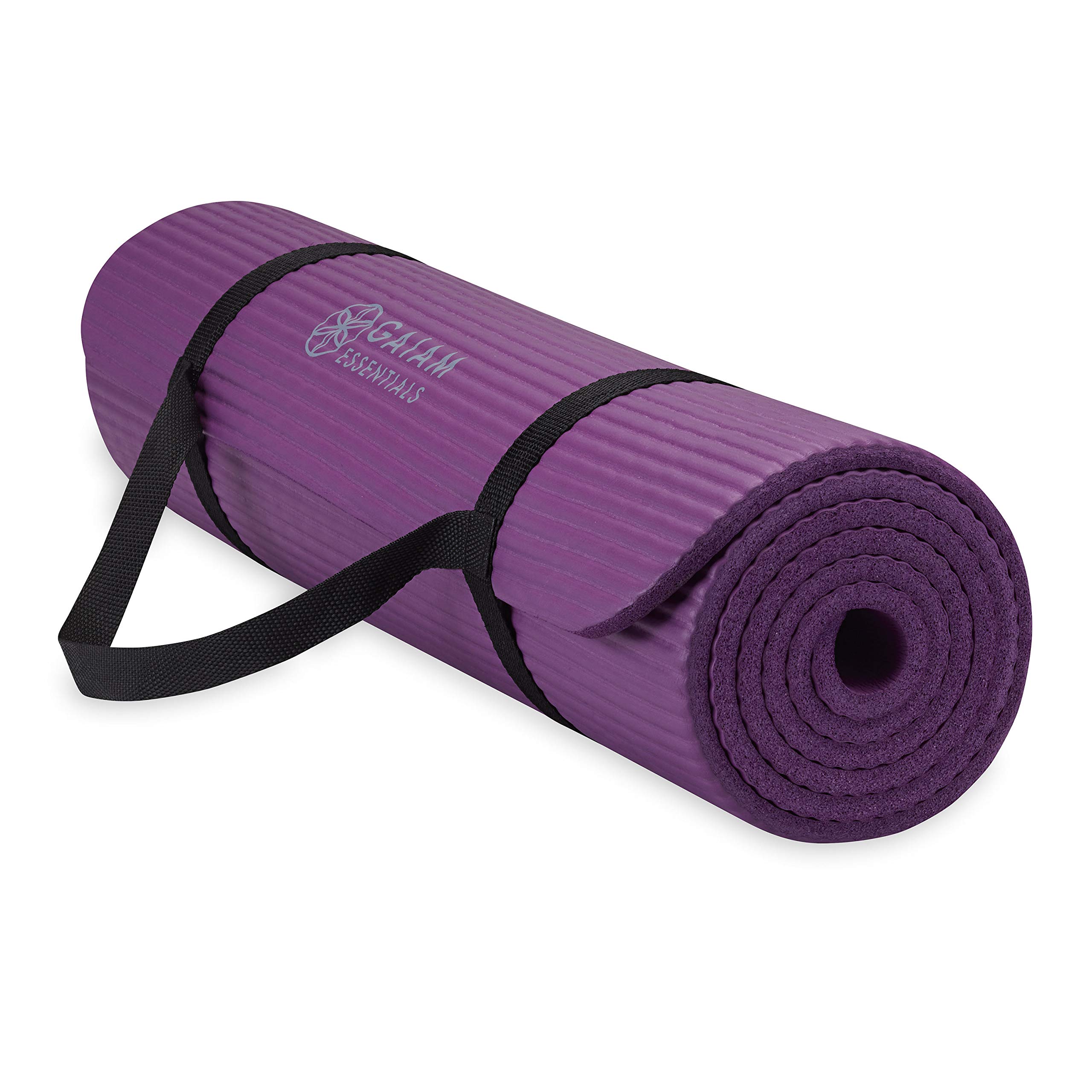
I relied on this extra-thick Gaiam mat whenever I wanted maximum joint cushioning without sacrificing portability.
Why I picked it: 10mm high-density foam protects knees and hips while remaining lightweight and easy to roll.
Best for: beginners, Pilates, low-impact routines, people with knee or hip sensitivity.
affordable option for thicker, higher-density foam.
Pros
- Generous 10mm joint cushioning
- Textured surface reduces slipping on dry floors
- Lightweight and easy to carry
- Easy to clean with a damp cloth
Cons
- Initial foam odor possible
- Softer feel reduces firm grounding for balance
My take
I picked this mat when I needed serious padding for my joints. The 10mm high-density NBR foam takes the sting out of kneeling and feels reassuring during longer floor sessions.
On dry hardwood the textured surface gave me enough traction for basic flows, but I noticed that the softer cushion allows a little more sink—so for steadier balance work I sometimes prefer a firmer mat.
I also ran into the typical new-foam smell right out of the packaging; airing it for a day or two noticeably reduced that. Overall, it’s my go-to when I want plush support without lugging something heavy.
3. Gaiam Premium 6mm Print — Sticky Non-Slip Exercise Mat – Best All-Rounder with Style
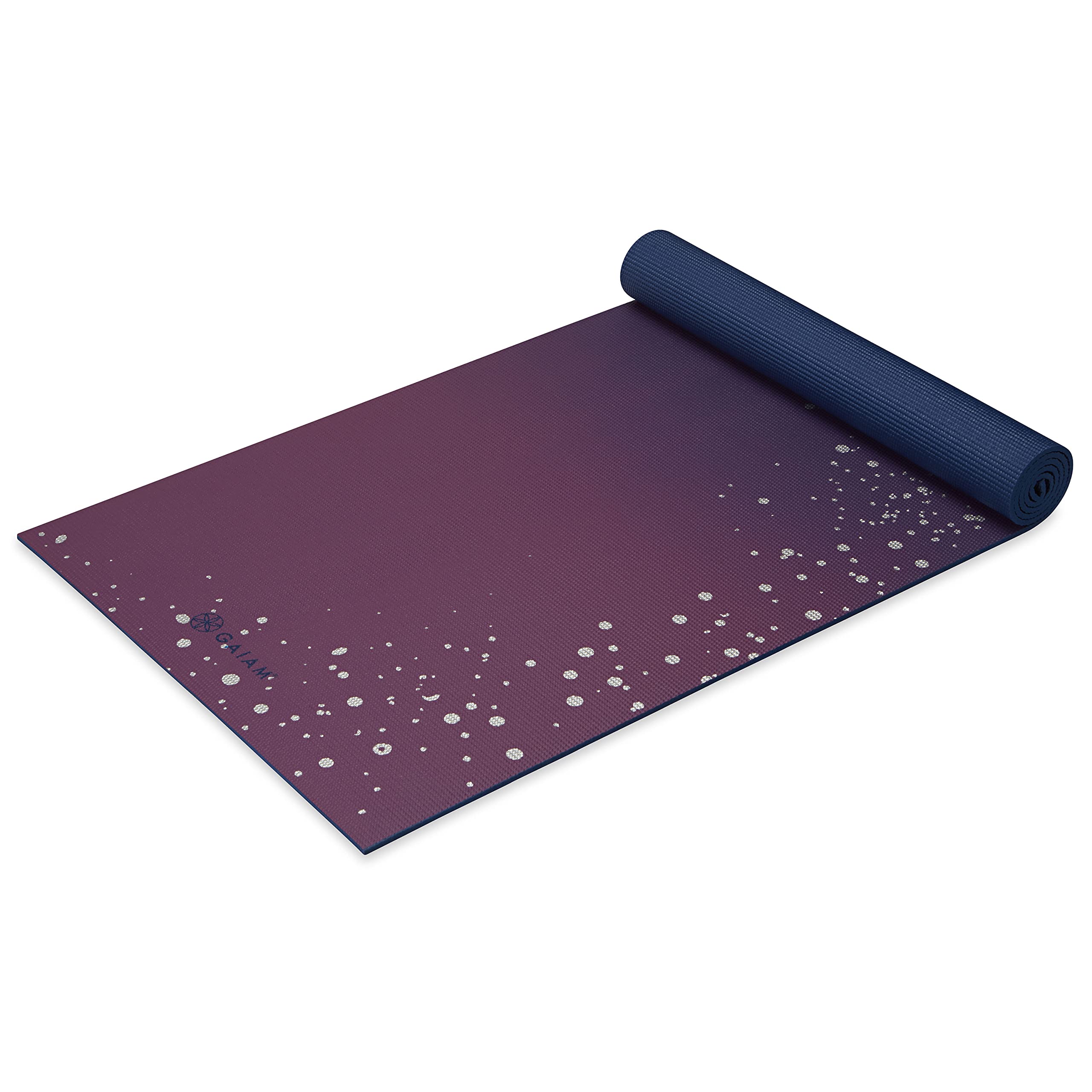
I used this mat when I wanted a reliable, sticky surface with moderate cushioning and an attractive print that makes practice more enjoyable.
Why I picked it: Balanced 6mm thickness with a sticky texture gives traction and joint protection in one package.
Best for: everyday yoga, studio or home practice, people who like a stylish mat.
good value for a non-toxic, printed mat.
Pros
- Sticky, non-slip texture
- Balanced 6mm cushioning
- Non-toxic, 7P-free construction
- Attractive printed designs
Cons
- May have minor odor at first
- No carrying strap included
My take
I appreciated how the 6mm profile balanced cushioning and stability; my knees felt protected but I still felt connected to the floor for standing poses.
The sticky surface helped keep my hands and feet in place during most flows, though during the sweatiest parts of practice it can become slightly less grippy. The prints are a nice touch — they lifted my mood and didn’t feel gimmicky.
Because this mat is PVC-based and marketed as free of common phthalates, I felt better about using it regularly. I air it out for a couple of days when new and it quickly settled in as one of my most-used mats.
4. BalanceFrom Extra Thick Yoga Mat — 1-Inch High-Density Foam – Best for Heavy-Duty Cushioning
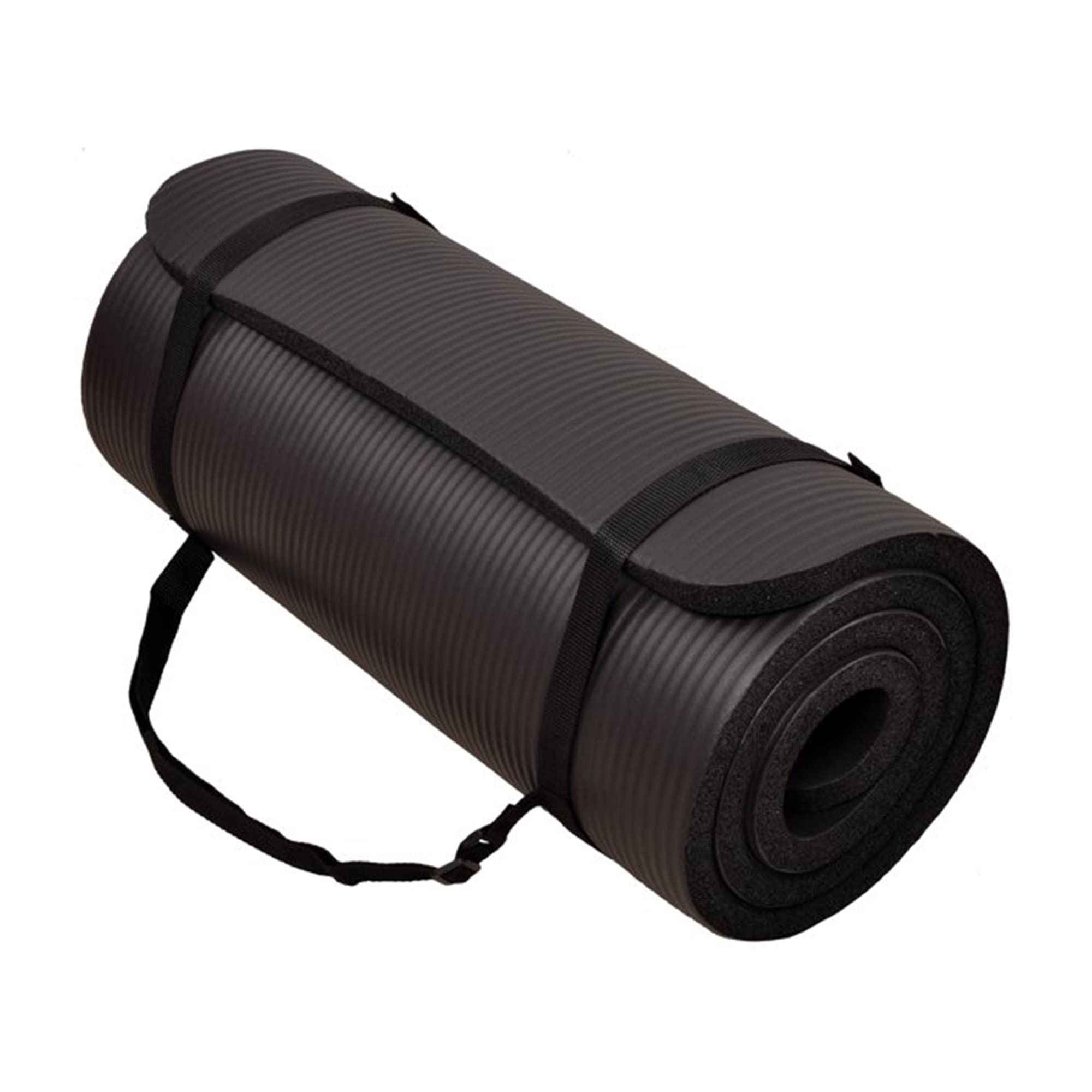
I picked this mat when I needed the maximum padding available for hard floors or heavier-impact workouts.
Why I picked it: A full inch of high-density foam offers unmatched underfoot cushioning for high-impact or restorative sessions.
Best for: larger bodies, users needing extra joint protection, restorative practices.
a more cushioned, mid-range option for serious padding.
Pros
- Massive 1-inch cushioning
- Double-sided textured non-slip surface
- Moisture-resistant and easy to clean
- Lightweight for its thickness
Cons
- Foam can feel stretchy and shift
- Occasional quality control flaws
My take
I reached for this mat when I wanted something that felt like a stable mattress for my home workouts. The thickness is phenomenal for protecting my spine and knees during intense floor routines.
That thickness does come with trade-offs: the foam has a bit of stretch, so during dynamic moves my foot occasionally caught and the mat would move rather than slide smoothly under my foot. For slow, restorative, or impact-protected practice it’s fantastic, but I wouldn’t choose it for fast-paced flow work.
Cleaning is straightforward because the surface resists moisture and dirt, and the included strap keeps storage simple. For anyone prioritizing comfort over precision balance, this mat delivers.
5. Gaiam Premium 6mm Reversible — Dual-Design Non-Slip Mat – Best Reversible Design
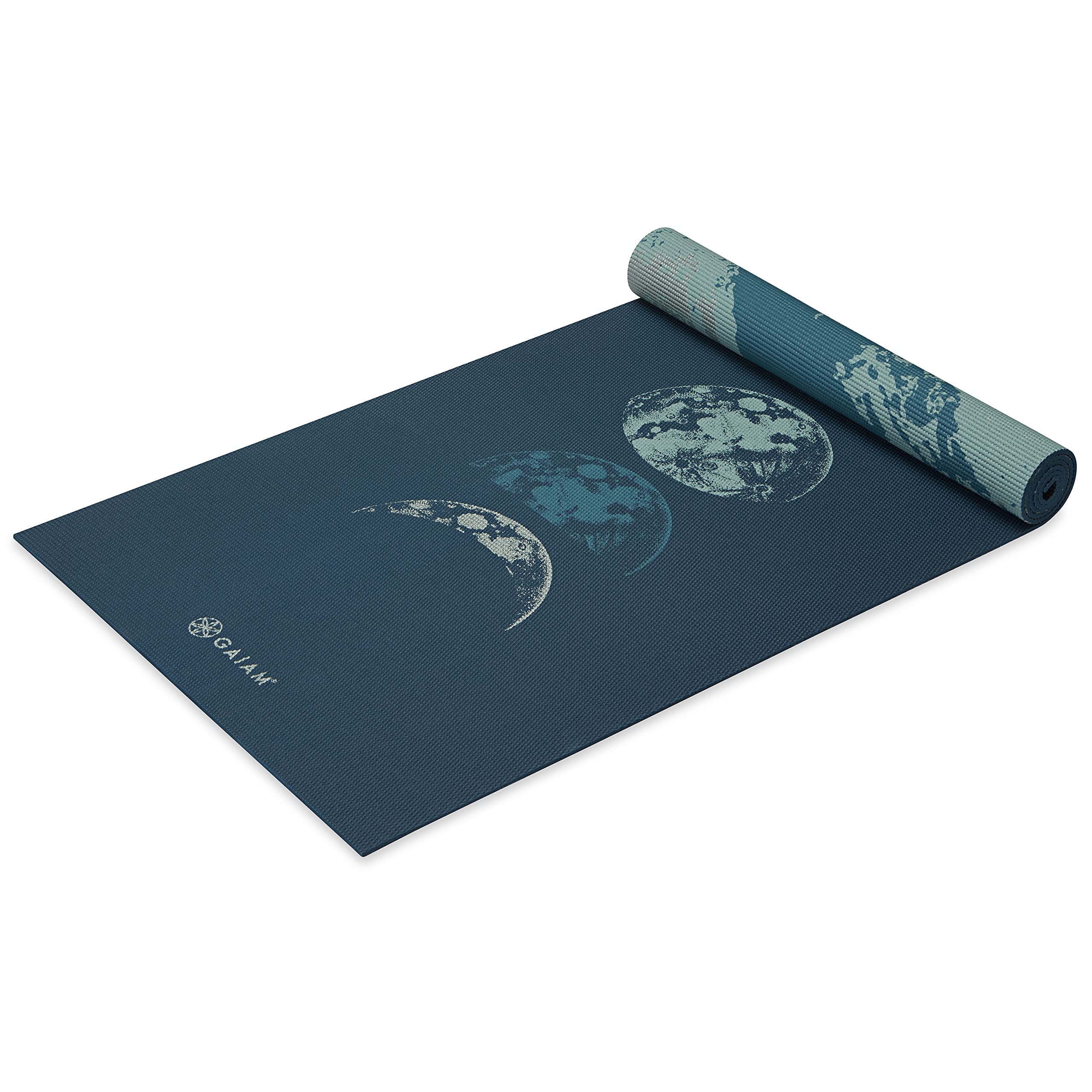
I used this reversible mat when I wanted traction and an option to flip the look of my practice space while still getting solid cushioning.
Why I picked it: Reversible textures give two looks and reliable grip with 6mm of cushioning.
Best for: stylish practitioners who want two surface looks and dependable comfort.
good value for a reversible, non-toxic mat.
Pros
- Reversible textures for two looks
- Good traction for most practices
- Non-toxic, 7P-free materials
- Attractive printed options
Cons
- Potent chemical smell when new
- Can shift on carpet sometimes
My take
I enjoyed having the reversible option — flipping the mat gives me a fresh aesthetic for different days of practice, and both sides provide helpful texture for grip.
Be aware that when new there can be a strong manufacturing smell; airing the mat outside for a day or two helped it dissipate for me. Traction is solid for most home and studio sessions, though on plush carpet it can move a bit during vigorous transitions.
If you care about materials and design and want a mat that doubles your visual options, this one performed well in my testing.
6. Gaiam Essentials 1/4″ (6mm) — Classic Yoga & Pilates Mat – Best Classic Everyday Mat
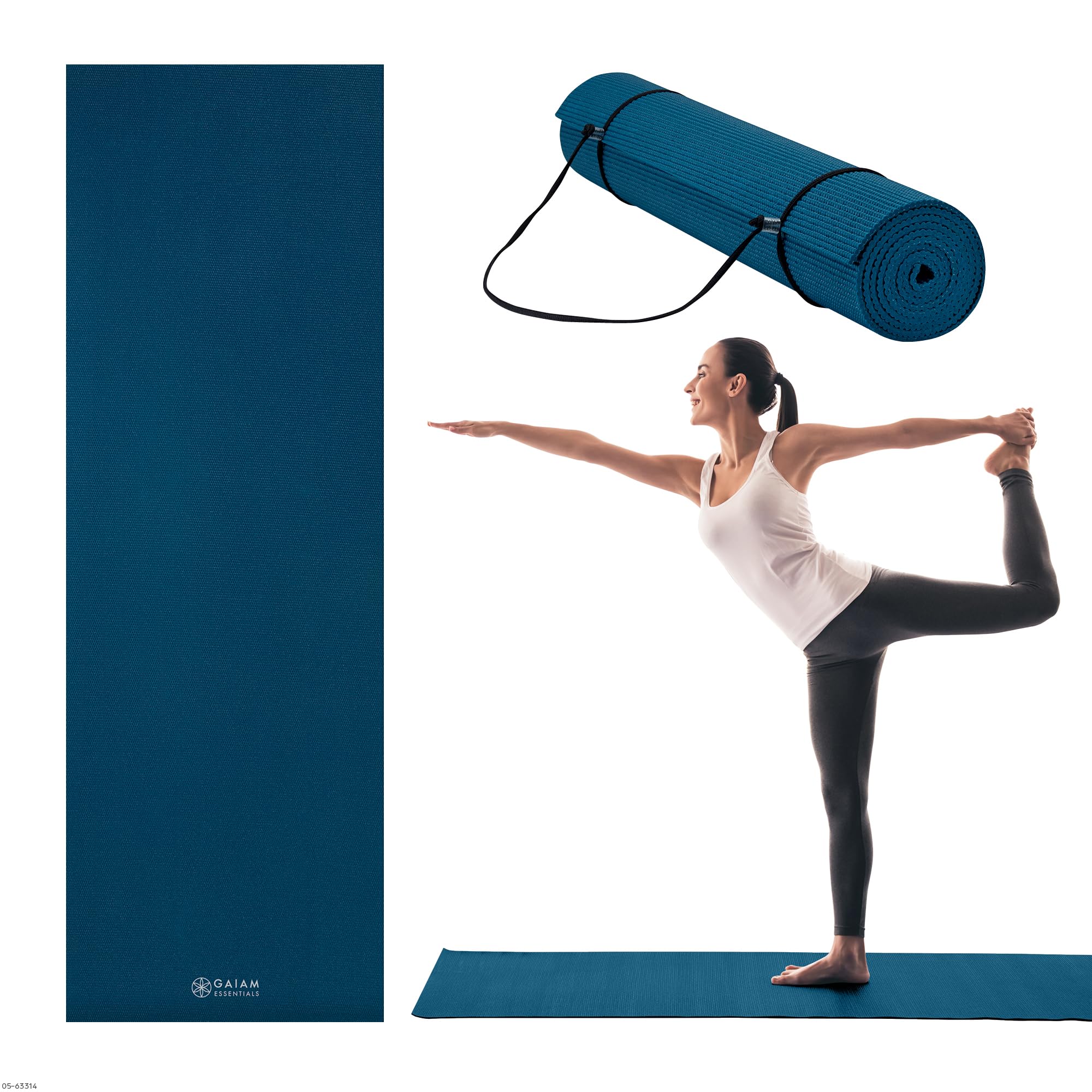
I relied on this classic Gaiam mat when I wanted a portable, reliable mat with a slightly thinner profile for better balance.
Why I picked it: Classic thickness gives a good balance of portability and grip for regular practice.
Best for: teachers, students, and anyone wanting a dependable, portable mat.
budget-friendly classic that covers most needs.
Pros
- Balanced thickness for portability
- Sticky texture with good grip
- Long length for taller users
- Includes carrier sling
Cons
- Carrier strap can leave deep indents
- May be thin for heavy-impact use
My take
I liked this mat for everyday use: it’s long, comfortable enough for most yoga styles, and easy to roll up and carry to a class thanks to the included sling.
The sticky surface helped me stay planted during poses, and it wipes clean without fuss. The only real aesthetic downside I found was that the tight shipping band sometimes left visible lines in the foam — it didn’t affect function but it wasn’t ideal cosmetically.
For a classic, reliable mat that won’t overburden you on the go, this one checked the most boxes in my regular rotation.
How I Choose a Yoga Mat
Thickness & Cushioning
I prioritize thickness based on the type of practice: thinner mats for stability and balance, thicker mats for joint protection and restorative work.
If my knees or spine need extra care, I go for 10mm or the 1-inch options; for active flow I prefer 3–6mm for better grounding.
- 1/4"–6mm: balanced support and stability
- 10mm+: best for joint protection and floor work
- 1" mats: maximum cushioning but less balance precision
Grip & Material
I look for a textured or sticky surface so my hands and feet stay put during transitions.
NBR foam gives plush cushioning, while PVC and other tacky surfaces tend to provide better hand and foot traction.
- Sticky/textured surface = better traction
- NBR foam = softer, cushier feel
- PVC/print mats = tackier grip and more design options
Portability & Size
I consider length and whether a carrying strap is included if I’ll move the mat between locations.
Thicker mats pack bulkier, so I balance cushioning needs with how often I transport the mat.
- 72" length better for taller practitioners
- Straps make transport easier but can leave marks
- Thicker mats = heavier and bulkier to carry
Care & Odor
I always air out new mats for 24–72 hours to reduce any initial manufacturing odor.
Most mats wipe clean with a damp cloth; choose moisture-resistant surfaces if you sweat heavily.
- Air new mats outside for a couple of days
- Wipe clean with mild soap and water
- Store rolled, not folded, to avoid creases
Frequently Asked Questions
Which mat thickness should I choose for a home practice?
I pick 6mm if I want a balance of stability and cushion; I go thicker (10mm or 1") when my joints need extra protection.
How do I get rid of that new-mat smell?
I unroll the mat and air it outside or in a well-ventilated room for 24–72 hours; that usually makes the odor fade substantially.
Are foam mats suitable for hot yoga?
I avoid pure NBR foam for very sweaty rooms because they can become slippery—tacky PVC or extra-textured surfaces handle heat and sweat better.
Final Take
I matched each mat to a specific need — cushion, grip, portability, or style — so you can pick the one that fits your practice.
If you want joint protection for floor work, go thick. If balance and grip matter most, prioritize tacky, textured mats around 3–6mm. I trust the options here for those different priorities.
