
I tested a range of yogurt makers and strainers so I could make everything from delicate probiotic cultures to thick Greek yogurt. Here are the tools I keep returning to.
I make yogurt regularly and have tried every approach from coffee filters to full electric machines. Over weeks of testing I focused on reliability, ease of cleaning, and the textures I wanted: spoonable Greek-style and probiotic-rich pourable yogurt.
In this roundup I compare simple strainers that turn plain yogurt into Greek-style custard, programmable electric makers for precise cultures, and compact imported units that hold steady temperatures for long fermentations. I list when each tool shines and where it can frustrate an eager home fermenter.
If you want thick Greek yogurt, I reach first for a mesh strainer; for precise probiotic cultures I prefer a temperature-controlled electric maker; if space or specialty ferments matter, a compact dedicated unit from Japan can be the best fit.
1. Euro Cuisine GY50 Greek Yogurt Maker with Ultra Fine Mesh Strainer Basket – Best Greek Strainer
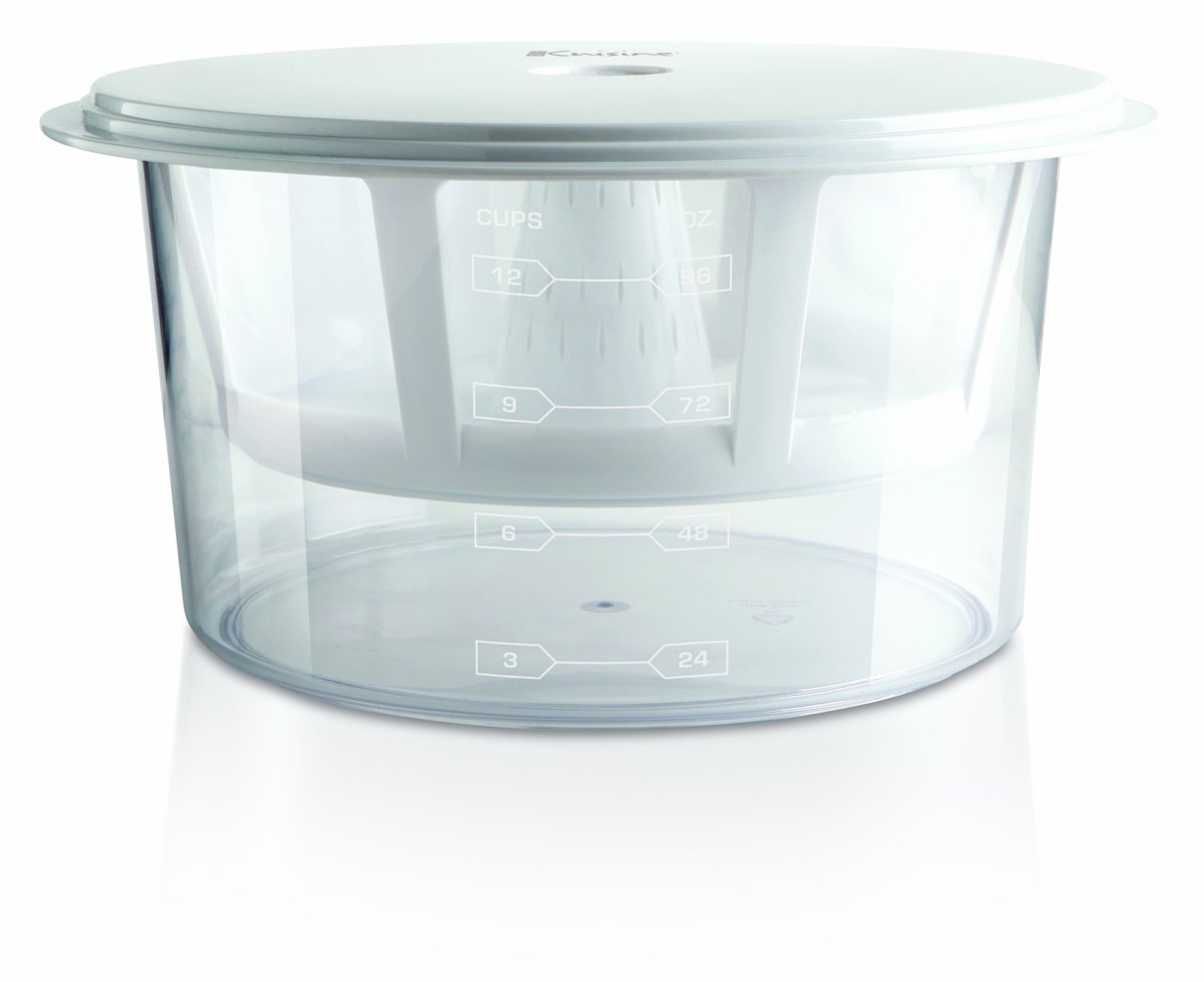
I use this to turn up to 2 quarts of plain yogurt into thick Greek-style yogurt without mess or cheesecloth.
Why I picked it: Ultra-fine mesh and a fridge-friendly, stackable design that handles half-gallon batches cleanly.
Best for: Making large batches of thick Greek yogurt and skyr-style strained yogurt.
Very affordable way to get consistent Greek yogurt at home.
Pros
- Ultra-fine mesh for creamier results
- Holds up to 2 quarts comfortably
- BPA-free parts
- Fits in the fridge easily
- Simple rinse cleanup
Cons
- May leak tiny bits of yogurt
- Can be slow compared with coffee filters
My take
I routinely use the GY50 when I make half-gallon batches. The mesh is finer than most strainers I’ve tried, so whey drains evenly and the final texture is reliably thick.
It sits neatly in the fridge and the lid keeps things tidy—no noodling with cheesecloth draped over bowls. Cleaning has been quick: a hot-water rinse removes residue without scrubbing.
If I’m chasing ultra-thick, spoonable skyr I sometimes double-strain, but for everyday Greek yogurt this basket gives the right balance of convenience and texture.
2. Ultimate Probiotic Yogurt Maker with Adjustable Time & Temp Control – Best for Probiotics
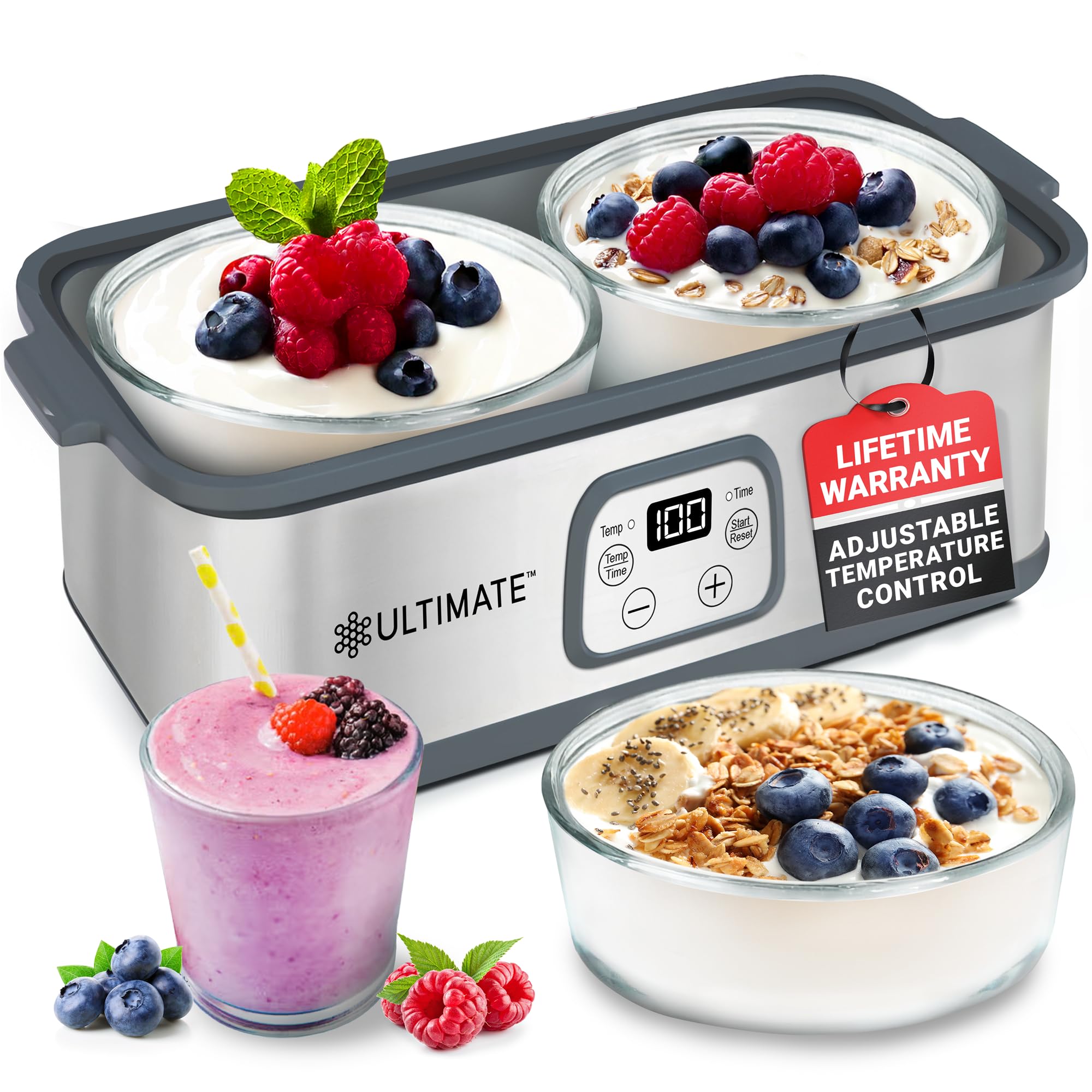
I rely on this for precise temperature and long runs when I culture probiotic-rich yogurt batches.
Why I picked it: Adjustable 68–131°F control and long run times let me dial cultures for specific strains.
Best for: Making high-probiotic yogurts and long fermentations that need stable temps.
A mid-to-premium appliance for hobbyists serious about probiotic control.
Pros
- Precise temp control (68–131°F)
- Two 1-qt glass jars included
- Runs up to 48 hours
- 100% BPA-free components
- Lifetime warranty
Cons
- Requires attention to initial setup
- Remember to fill the water reservoir
My take
When I want consistent results, especially with probiotic strains recommended by clinicians, this machine delivers. The temperature holds steady and the glass jars feel solid compared with plastic-only units.
I’ve used it for long, low-temperature ferments and appreciated the ability to extend run time when the culture needed a slow build. Cleanup is straightforward and the included lids make storage simple.
It isn’t a plug-and-play miracle—getting the best probiotics takes proper starters and patience—but the unit gives me the control I need.
3. Ultimate Probiotic Yogurt Maker — Second Take – Best for Consistent Small Batches
I keep a second write-up here because this same unit also excels when I’m making everyday small batches meant for plain eating.
Why I picked it: Two glass jars and repeatable temp profiles make everyday yogurt production predictable.
Best for: Daily yogurt jars for breakfasts and snacks that must be the same each time.
Worth the investment if you want repeatable, jar-sized batches.
Pros
- Great repeatability batch after batch
- Glass jars improve flavor and cleaning
- Flexible temp and timing
Cons
- Not ideal for very large batches
- Learning curve for strain selection
My take
For my weekday routine I like making two quart-sized jars I can eat straight from. The glass jars don’t impart taste and they’re easy to transfer to the fridge.
I’ve run identical programs several times and the texture comes out the same every time, which is key for predictable breakfasts. If you want to experiment with probiotic strains, the timer and temp range make that practical.
4. IRIS OHYAMA Yogurt Maker KYM-014 (Japan Domestic) – Best Compact Import
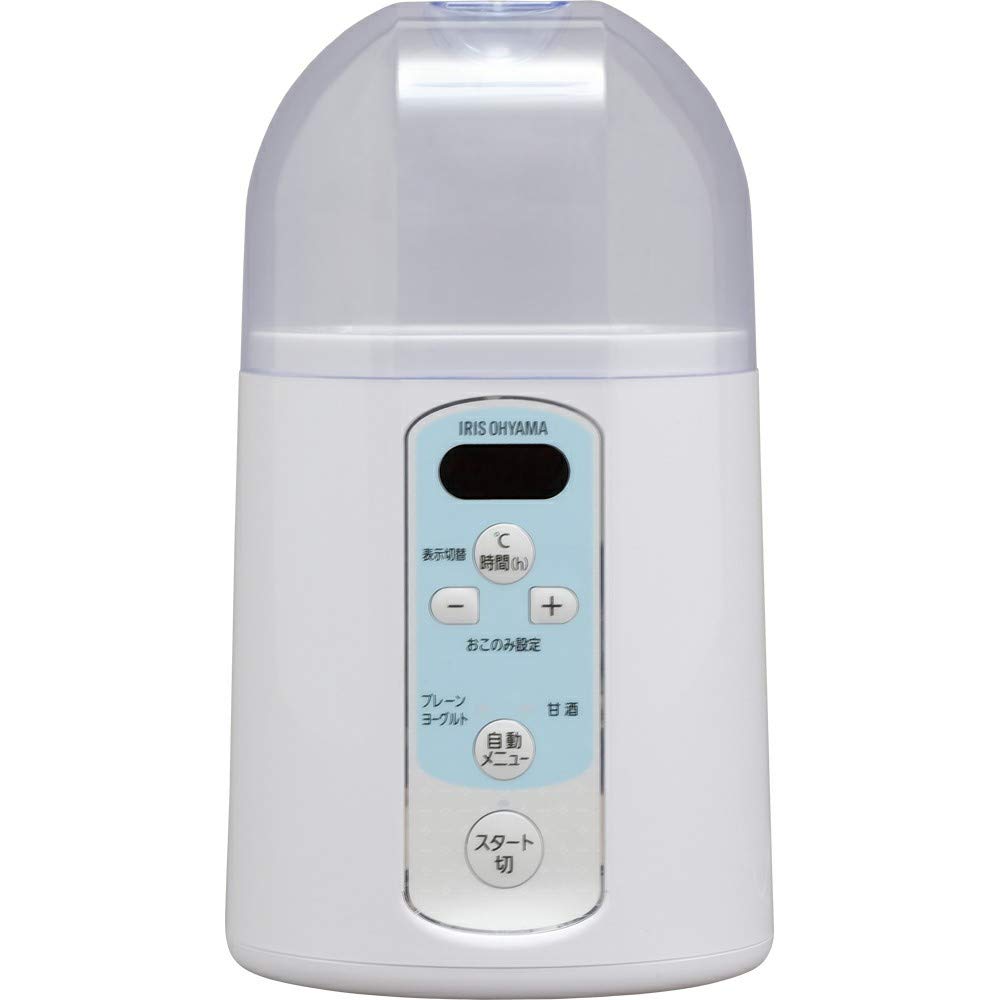
I use this compact Japanese unit when I need a small footprint and long, steady temperature control for specialty ferments.
Why I picked it: Compact design with dedicated presets (yogurt and amazake) and excellent temperature stability for long runs.
Best for: Amazake, L. reuteri or other long, low-temp ferments that need steady heat.
A specialty choice — more setup required for U.S. use but excellent for precise long runs.
Pros
- Compact, space-saving footprint
- Preset programs for yogurt and amazake
- Holds steady temps for long runs
Cons
- Japanese-only labels
- May need a voltage converter
My take
I brought this into my kitchen specifically for long, low-temperature ferments where stability matters. Once I used a step-down transformer and translated the controls, it performed exactly as promised.
The dedicated 42°C yogurt and 60°C amazake presets simplify specialty recipes. It’s smaller than counter-top electric makers, so I can leave it running without stealing kitchen real estate.
If you’re in the U.S., expect a little setup work—voltage and language—but the payoff is a compact appliance that nails long, hands-off fermentation.
5. Euro Cuisine GY60 Greek Yogurt Maker with Ultra Fine Mesh Stainless Steel Strainer Basket – Best Stainless Steel Strainer
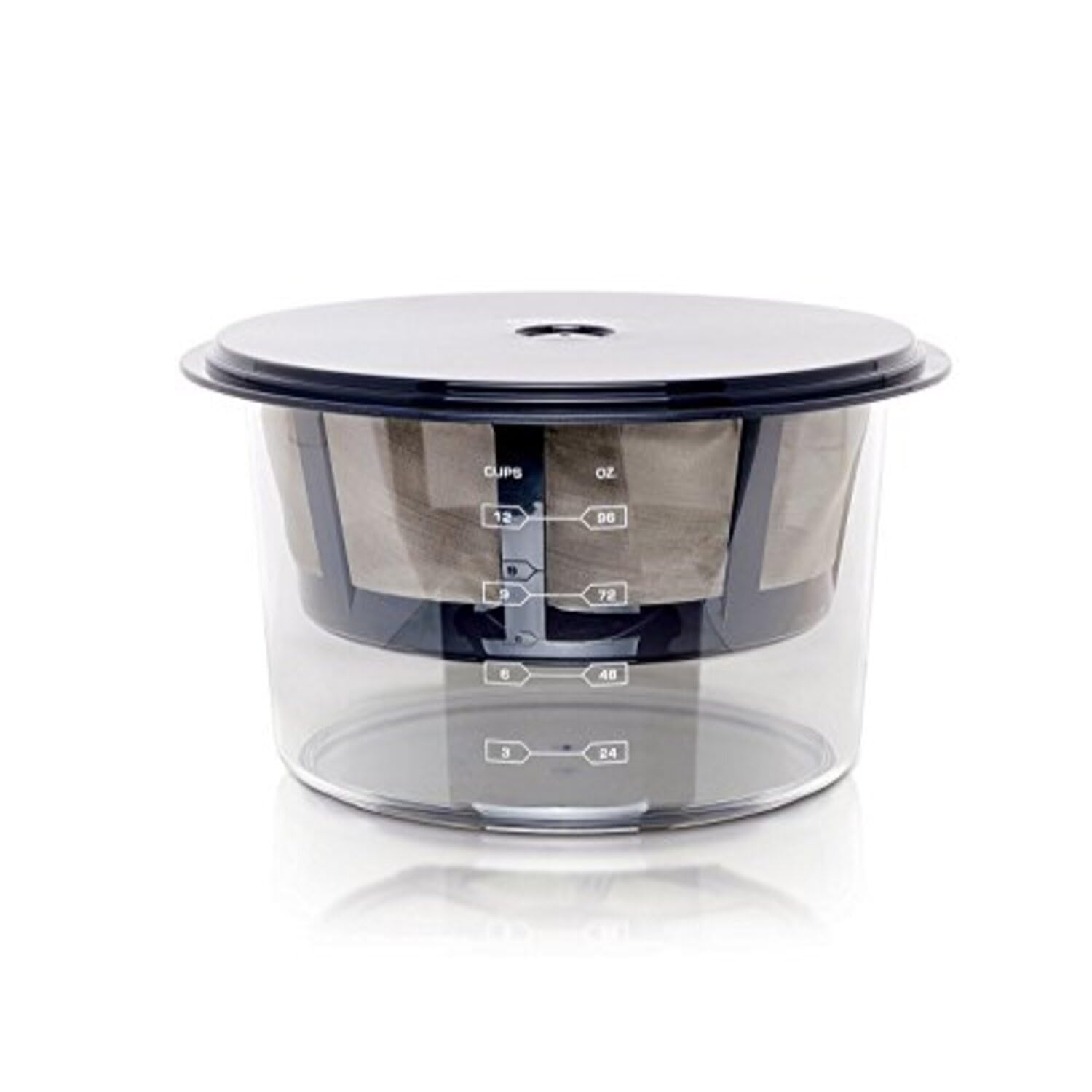
I prefer this when I want a more durable, stainless-steel screen for faster draining and added longevity.
Why I picked it: Stainless screen and reinforced design speed draining and hold up to repeated use.
Best for: Frequent Greek yogurt makers who want faster drainage and a durable screen.
A step up from nylon mesh for more durable, faster performance.
Pros
- Stainless steel mesh drains faster
- Reinforced for durability
- Fits half-gallon batches
- Easy to clean
Cons
- Takes up fridge space
- Avoid dishwasher for longevity
My take
I switched to the stainless steel GY60 when I wanted faster draining and a sturdier screen. The larger mesh surface area helps whey evacuate more quickly, so I reach desired thickness sooner.
The design seals well and prevents spills in the fridge. I hand-wash the strainer to preserve the mesh and have had no buildup or film after regular use.
If you make Greek yogurt weekly, this is the version I'd keep in my cupboard for speed and durability.
6. Euro Cuisine Yogurt Maker – YMX650 Automatic Digital with 7 Glass Jars – Best for Multi-Flavor Jars
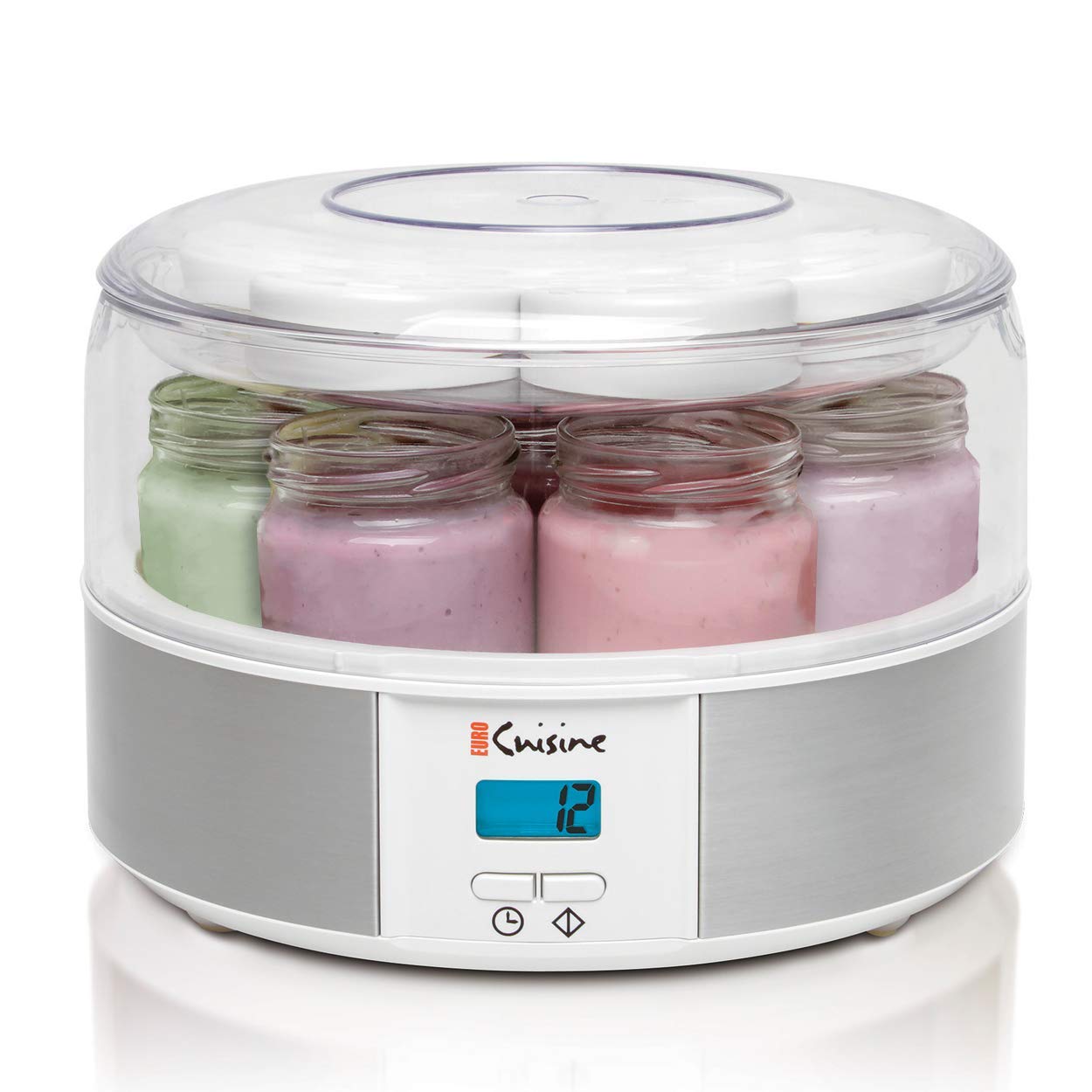
I use this when I want to make multiple flavors at once and keep yogurt portioned for storage.
Why I picked it: Seven reusable glass jars with date-setting lids make multi-flavor batches and storage effortless.
Best for: Families or meal-prep sessions that need multiple small jars and easy dating.
Good value for organized, portioned yogurt production.
Pros
- Seven 6-oz glass jars included
- Digital timer, set-and-forget operation
- Jars are dishwasher-safe
- Rotary date lids for tracking
Cons
- Not for Greek without a separate strainer
- Small jars, not for large batches
My take
When I want variety—vanilla in one jar, honey in another—this machine is my go-to. The seven glass jars let me flavor individually and the rotary lids help me track freshness.
The digital timer is intuitive and the unit shuts off automatically after its cycle. For thicker Greek textures I pair it with the GY50 or GY60 strainers.
I appreciate that the jars are glass and top-rack dishwasher safe; that removes a lot of friction from regular yogurt-making.
How I Choose a Yogurt Maker
Type of Yogurt You Want
I start by deciding whether I want spoonable Greek yogurt or pourable, probiotic-heavy yogurt. Strainers deliver thick, custardy textures. Electric makers with precise temps are better for probiotic-driven batches.
- Strainers: best for thick Greek-style yogurt.
- Digital makers: best for consistent, repeatable results.
- Compact imported units: best for specialty long ferments.
Batch Size and Containers
I think about how much yogurt I’ll eat between cleanings. Glass jars are my preference for storage and flavor neutrality. If I need family-sized batches, I choose larger strainers or multi-jar machines.
- Glass jars: better flavor and easier cleaning.
- Multiple small jars: great for variety and meal prep.
- Large strainers: best for half-gallon batches.
Temperature Control and Timers
I look for machines that hit and hold target temperatures. That stability is the difference between a thin, under-formed yogurt and one I’m happy to eat plain.
- Adjustable temp allows probiotic experimentation.
- Long timers let you culture slower strains.
- Auto shutoff prevents overcooking delicate bacteria.
Practical Considerations
I weigh cleaning, storage, and whether I’m willing to do extra setup (like voltage converters for imported units). Durability of the mesh and material matters if I use the tool weekly.
- Hand-wash finer meshes to extend life.
- Check capacity vs. your regular batch size.
- Consider warranty and replacement parts availability.
Frequently Asked Questions
Can I make Greek yogurt with an electric yogurt maker?
Yes—I make regular yogurt in electric machines and then strain it in a mesh basket to achieve Greek-style thickness. Some units include strainers, others require a separate basket.
How long should I strain yogurt for Greek texture?
I typically strain for 8–48 hours depending on how thick I want it; shorter times give creamy Greek-style, longer times yield very dense skyr-like results.
Do I need special starters or probiotics?
I use either a portion of a previous batch or targeted starter cultures for specific probiotic strains. For high-probiotic goals, precise temperature control and a reputable starter matter most.
Are glass jars better than plastic?
I prefer glass because it doesn’t retain flavors and it cleans easily. It also handles heat better during fermentation and feels sturdier for storage.
Final Take
I keep both a fine mesh strainer and a precision electric maker in my kitchen because they serve different purposes: the strainer for quick, thick Greek-style yogurt and the electric machines for exact probiotic cultures and multi-flavor batches.
If you want simplicity and thick results, start with a stainless or ultra-fine mesh basket. If you want control over strains and repeatable cultures, invest in a temperature-adjustable maker.
Whatever you choose, the tools above have earned regular spots in my routine because they make yogurt production reliable, cleaner, and more delicious.
